
Malta's trade deficit narrows by €121 million in April 2026

3 million — according to figures published by the National Statistics Office.
3 million — according to figures published by the National Statistics Office. 4 million. On the export side in April, the principal drivers of growth were mineral fuels, transport and industrial machinery, and a range of finished manufactured goods, while chemicals weighed on overall performance.
8 million. 6 million in April 2025. 3 million on March 2025.
The cumulative picture for January to April 2026 reinforces the trend. 51 billion. 6 million.
The import decline was more than three times the size of the export gain, meaning the narrowing of the deficit owes more to reduced buying from abroad than to any surge in outbound trade. 8 million. Machinery and transport equipment, miscellaneous transactions and commodities, and chemicals drove the January–April import decline.
Machinery and transport equipment and food led export growth, though gains were partly offset by falls in miscellaneous transactions and commodities and in mineral fuels and lubricants. 7% of outbound trade. Asia was the second-largest source of imports at 23% and the destination for 12% of Malta's exports.
At country level, the Netherlands recorded the largest increase in imports to Malta over the period, while Italy registered the steepest drop. Germany posted the highest year-on-year gain among export destinations; Turkey recorded the largest decline.
Related
Related articles
 Sliema
national
Sliema
national
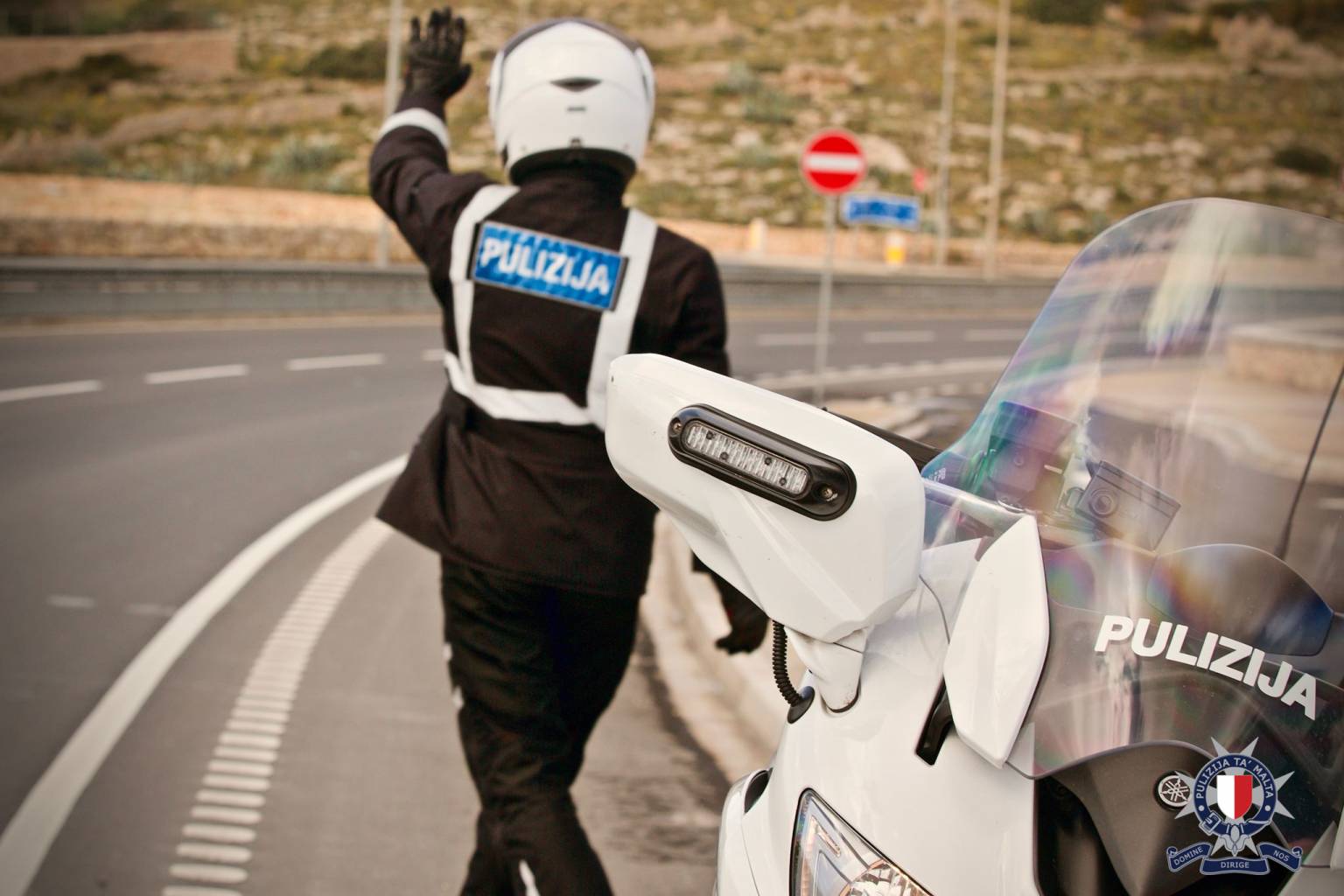
Former Traffic Sergeant Jailed Five Years for Marsa Flyover Overtime
Norman Xuereb, the organiser of a police overtime racket tied to the Marsa flyovers, has been sentenced to five years in prison and ordered to forfeit €53,000.
Read more Sliema
national
Sliema
national
Electoral Commission Opens Nominations for Seven Casual Elections
Seven casual elections are under way to fill vacant seats in Malta's House of Representatives after seven Partit Nazzjonalista MPs ceded their positions.
Read more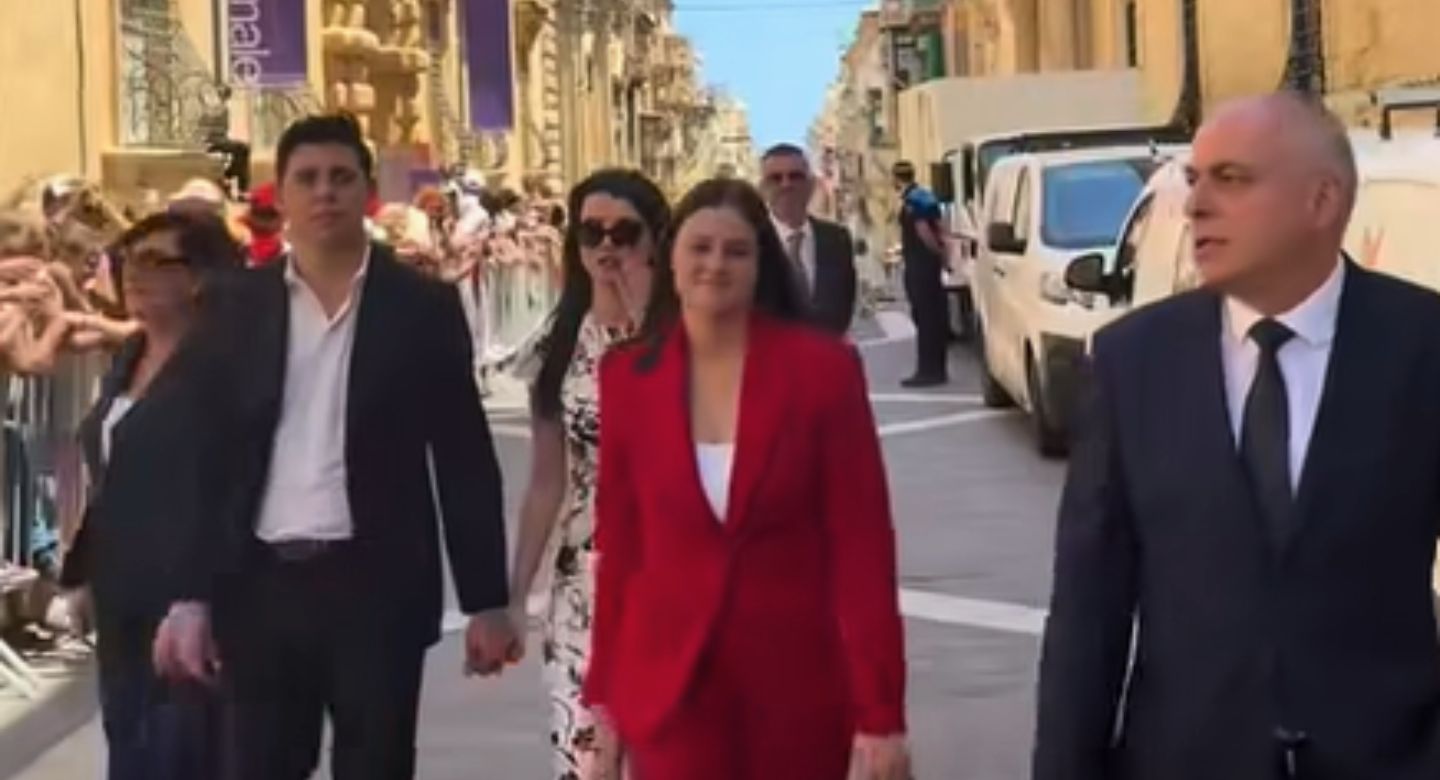 Sliema
national
Sliema
national
Malta's Top Civil Servant Photographed at Labour Victory Rally
The photographs drew immediate attention given the office his father holds.
Read more