
Caring state vs rank-and-file on day 15
Day 15 of Malta's electoral campaign continued to expose a clear philosophical divide between Prime Minister Robert Abela and Opposition leader Alex Borg.
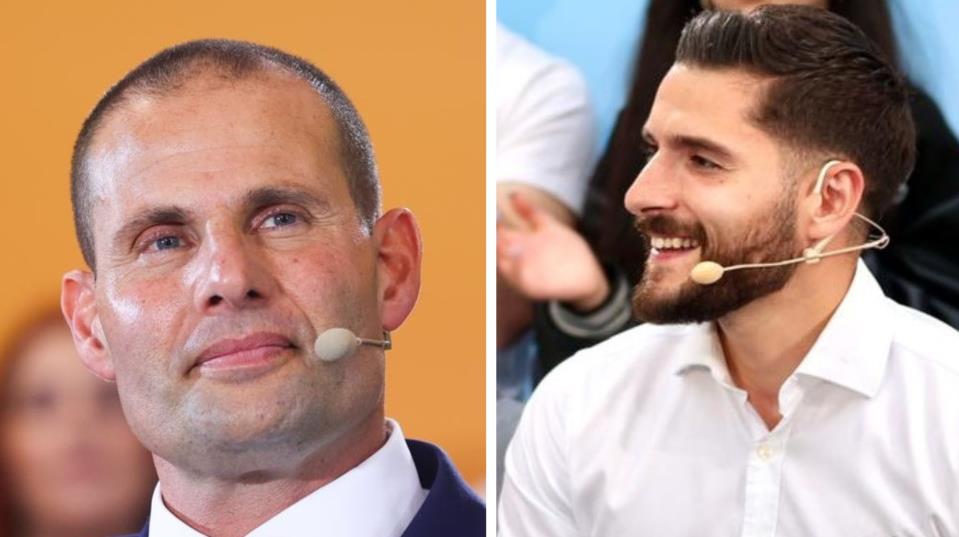
Image: The Malta Independent
On Day 15 of Malta's 2026 general election campaign, 13 May, Prime Minister and Labour leader Robert Abela pressed a quality-of-life platform anchored in healthcare, disability support and family policy. Nationalist Party leader Alex Borg directed his pitch at police officers, soldiers, LESA officials, Transport Malta workers and retirees – groups he argued are honoured in ceremony and shortchanged in practice.
Abela's announcements ranged across IVF reform, rare disease support, work-life balance measures and transport and infrastructure commitments. The sharpest specific pledge was a €1,000 annual therapy allowance for young people with disabilities aged between 18 and 23. He drew on personal stories involving families dealing with autism, couples navigating IVF procedures and individuals living with rare diseases.
On the question of cost, Abela argued that Labour's proposals are financially credible and backed by economic growth and he characterised them as consistent with European Commission commitments. Borg's agenda concentrated on a different set of voters. The PN's centrepiece pension pledge would require that pensions for members of the disciplined forces – police officers, soldiers and emergency personnel – be calculated against current salary scales rather than the outdated ones currently used.
Borg's argument was that people in these roles receive formal recognition that does not translate into adequate material support. He also proposed reopening police stations, modernising police facilities, investing in border technologies and strengthening the Armed Forces of Malta, pointing to rising crime figures and drug trafficking as evidence of underinvestment in the security workforce.
The clearest factual disagreement of the day concerned early retirees. Asked whether people who retire at 61 should be permitted to keep working while drawing their pension, Abela declined to commit. He cited sustainability concerns, the requirement for EU approval and the risk that such an arrangement would effectively function as a de facto reduction in the retirement age.
The PN has positioned itself as more sympathetic to that demand, especially among public-sector workers. Abela characterised PN proposals as Opposition populism and described Labour's approach as responsible planning. Borg pushed back, insisting that the PN's plans are specific and costed rather than driven by slogans.
Neither characterisation was accompanied by verbatim remarks in the available reporting.
SOURCES
Related
Related articles
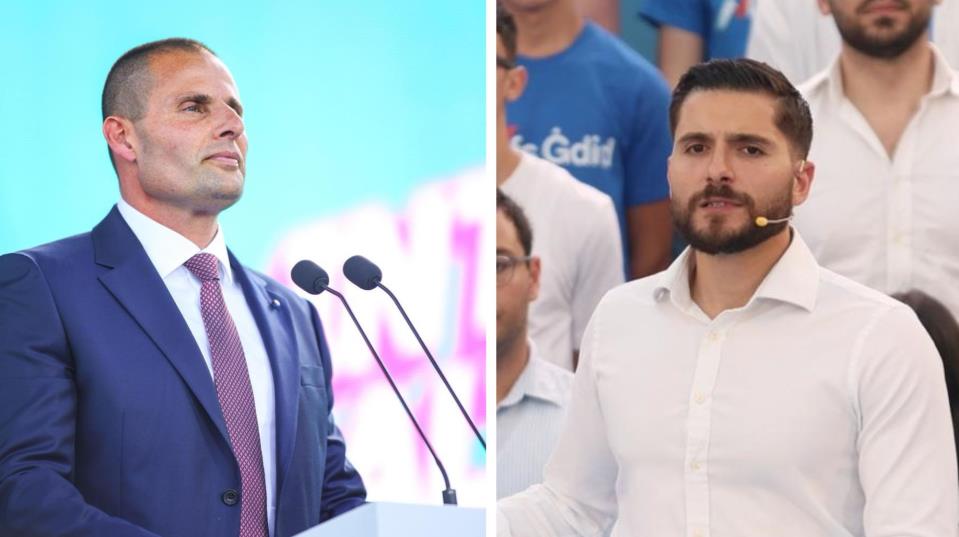
Two diagnoses, one Malta: Abela and borg clash on day 20
Day 20 of Malta's election campaign: Robert Abela leans on Labour's record while Alex Borg pitches a national reset, exposing two starkly different diagnoses for the country's future.
Read more
Borg dodges corruption questions, flags assets
PN leader Alex Borg deflected corruption questions on the campaign trail, pivoting instead to a proposal that MPs' assets declarations be published.
Read more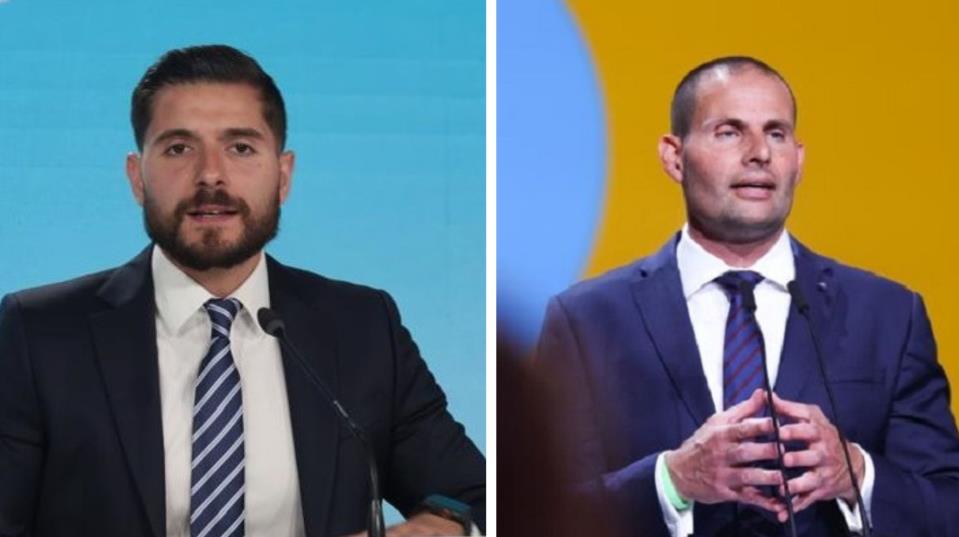
The €200 gap at the heart of Malta's spending race
The €200 gap at the heart of Malta's election spending race: Labour's €1,000 worker bonus was answered by PN's €1,200 rebate guarantee within 48 hours.
Read more