
Malta reaffirms housing commitment at UN urban agenda review
Malta ranks among Europe's most densely populated countries.
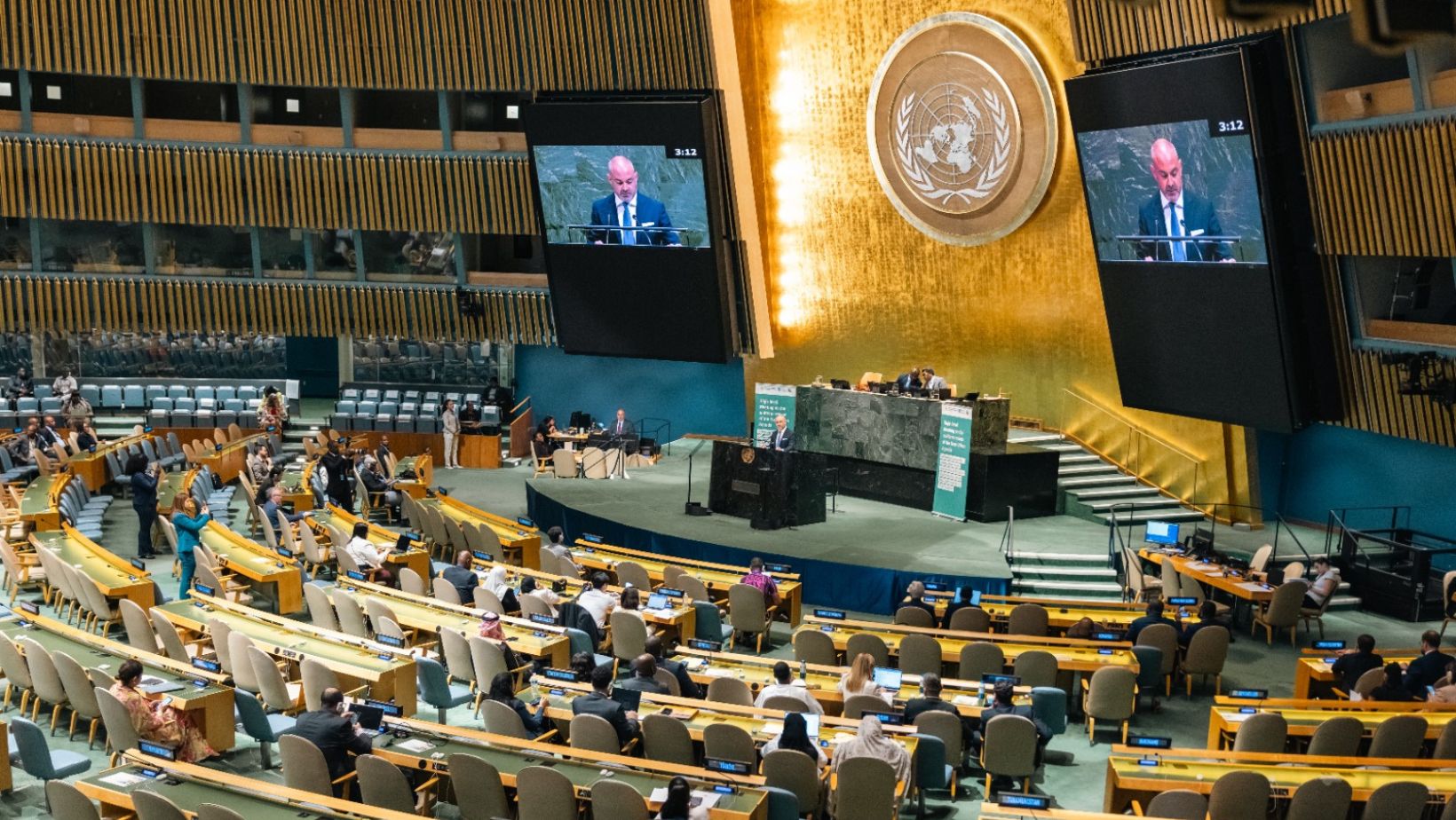
Image: Lovin Malta
Housing and Lands Minister Owen Bonnici addressed the United Nations General Assembly's Midterm Review of the New Urban Agenda in New York, reaffirming Malta's focus on making housing accessible, managing land responsibly and advancing sustainable urban growth. Malta ranks among Europe's most densely populated countries. Limited land resources and shifting demographics make long-term housing planning a practical necessity.
"Access to adequate housing is more than a social goal – it is the foundation of dignity, opportunity, wellbeing and resilience," Bonnici said. "The homes we build today will shape the communities we leave to future generations." Housing, he argued, gives people the stable base from which they can work, participate in their communities and live with dignity.
Bonnici outlined government investment through the Housing Authority, citing social housing projects, rent assistance schemes, first-time buyer support and targeted aid for vulnerable individuals and families. He stated these programmes are helping thousands of families gain access to adequate and affordable housing. The government is also expanding options for households that earn too much to qualify for social assistance but remain priced out of the open property market–a middle band that housing systems in many countries struggle to serve.
Malta anchors its approach in two frameworks: Malta Vision 2050, which positions housing as central to the country's long-term development and Id-Dar t'Għada, a national housing initiative shaping long-term policies for young people, families, older persons and vulnerable groups, each facing particular pressures in a small, land-constrained country. Bonnici noted that a decade after the New Urban Agenda's adoption, housing affordability, social inclusion, climate resilience and sustainable land use remain urgent global challenges.
He called for stronger international cooperation, new financing mechanisms and enhanced government-to-government partnerships to accelerate implementation of the Agenda's goals.
SOURCES
Related
Related articles

Housing affordability crisis persists in Malta
Sean Gravina raises concerns about persistent housing affordability issues amid Malta's strong economic performance.
Read more
113 kg of suspected cocaine seized at Malta Freeport
Customs officials identified the container as suspicious through risk-based targeting during routine screening.
Read more
PN renews calls for action as Malta's electricity crisis persists
A care home for older persons in Gżira lost power for approximately half a day, preventing residents from having meals prepared.
Read more