
Election 2026: manifesto launch, fiery debate
Malta's election campaign sharpens on day 19: PN unveils its manifesto headlined by an 11.5 km underground metro while Borg and Abela clash in a chaotic University of Malta debate.
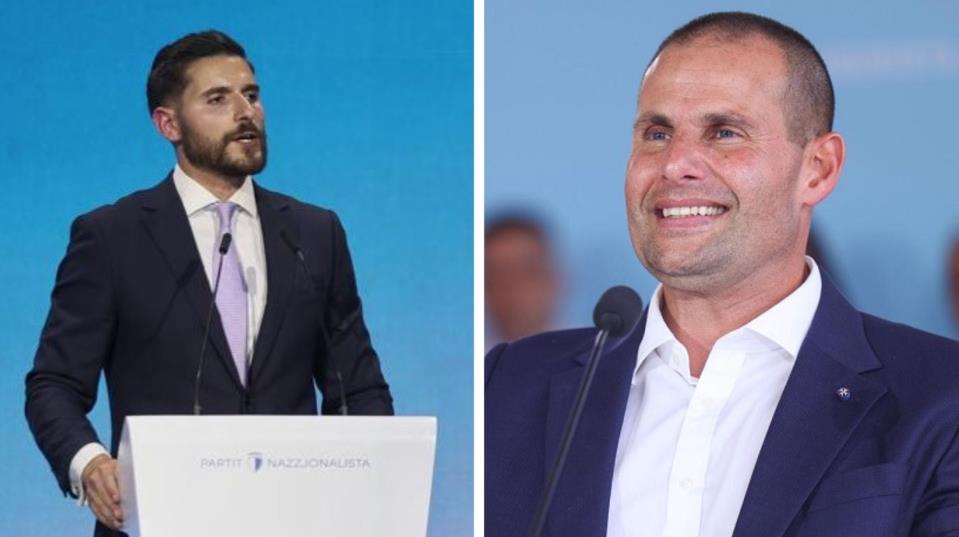
Image: The Malta Independent
Malta's general election campaign came into sharper focus on 19 May 2026 as the Nationalist Party launched its electoral manifesto and the two party leaders squared off in a chaotic, crowd-interrupted debate at the University of Malta. PN leader Alex Borg built his pitch around a "fresh start": structural reform, tax cuts and infrastructure investment that he argued a Labour government had endlessly commissioned studies on – in transport and renewable energy – without ever delivering.
PN's transport centrepiece is an 11.5-kilometre underground metro – eight stations, ten trains – that a PN government would bring into service within five years of taking office. On healthcare, the manifesto pledged to build hospitals in the north of Malta and on Gozo, extend capacity at Mater Dei and establish a National Health Park at Selmun; it also included a commitment to build a new school every year and raise student stipends annually.
First-time buyers would receive refunds on mortgage interest payments. The philosophy running beneath these commitments was Borg's insistence that Malta must pursue growth based on "value rather than volume". People, he said, are "tired of concrete".
Prime Minister Robert Abela made Labour's case on experience and continuity, pointing to semiconductors and fintech as evidence of a shift towards higher-value industries. He defended energy subsidies despite their fiscal cost and set a target of a budget surplus by 2029 alongside falling debt ratios. His sharpest lines were directed at the PN manifesto itself – costing errors, disputed economic projections and what he described as copied renders among its imagery.
Both parties offered assistance for those entering the property market, improved stipends and pensions and measures aimed at families. Beneath that surface, the structural disagreement was harder to ignore. Abela's position is essentially that Labour's track record and administrative depth are not matched by the opposition; Borg's is that competence without direction has produced a Mater Dei Hospital that "still cannot cope", a transport crisis that has been studied rather than solved and an economy that has prioritised volume over quality for too long.
The debate at the University was chaotic. Jeers, chants and partisan interruptions cut repeatedly across the policy exchanges and at times the noise drowned out the substance entirely.
SOURCES
Related
Related articles
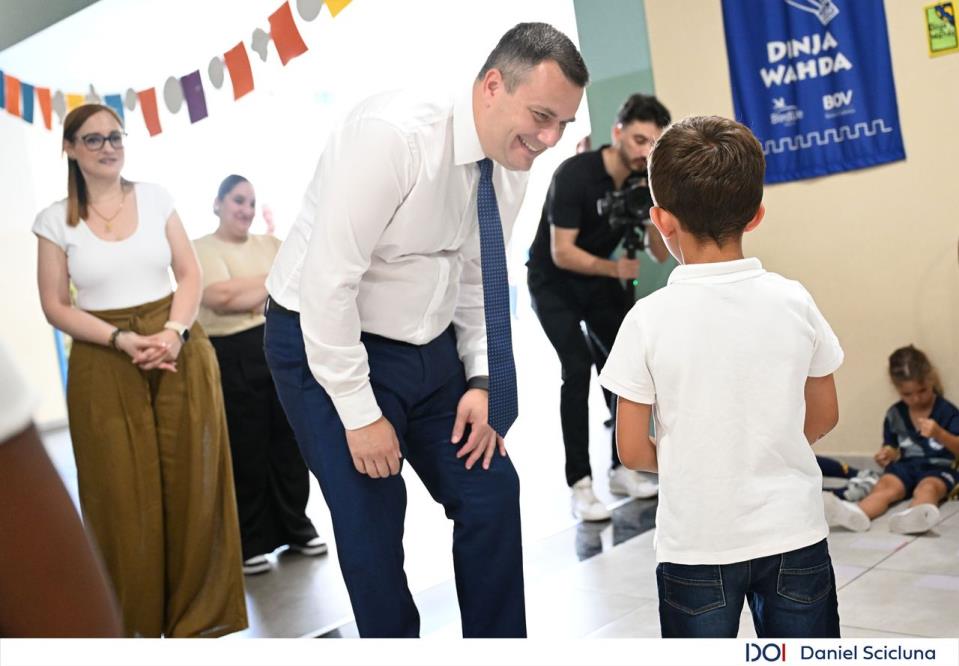
Skolasajf 2026 summer programme with 12,634 children
More than 12,600 children have enrolled in SkolaSajf 2026, the government's summer programme running across 54 centres in Malta and Gozo.
Read more
Malta third from bottom in EU research spending
Eurostat figures show Malta allocated €73.70 per person to research and development in 2025, placing it third from bottom in the EU.
Read more
Malta Resuscitation Council calls for compulsory CPR
Founded in 2004, the MRC is a voluntary organisation operating under the European Resuscitation Council.
Read more