
Fearne's first bilaterals cover Egypt, Russia
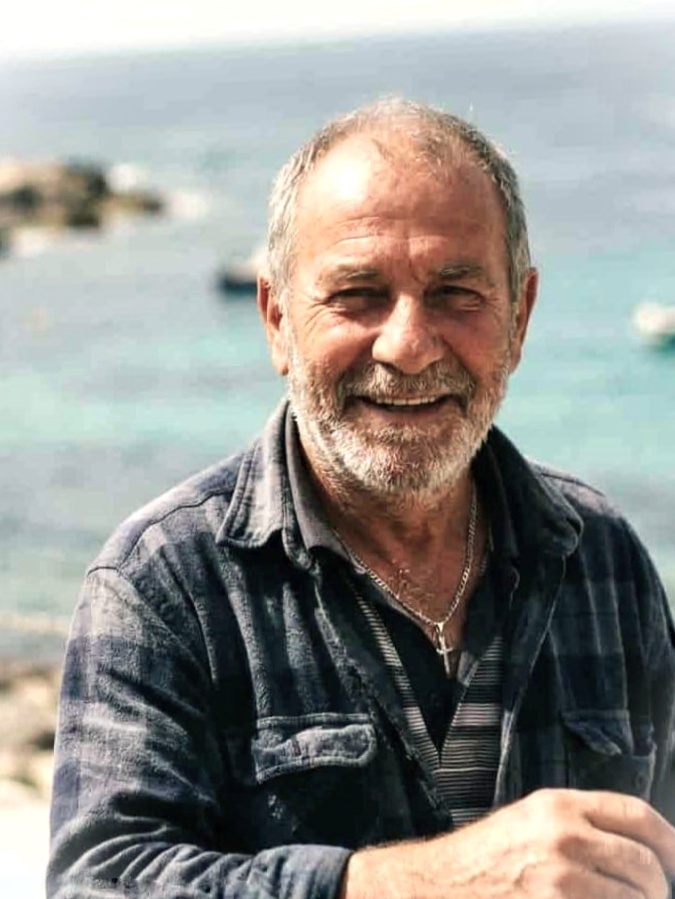
Chris Fearne's first bilateral meetings covered EU enlargement, Egypt energy ties and Russia, though the role's precise mandate has yet to be set out.
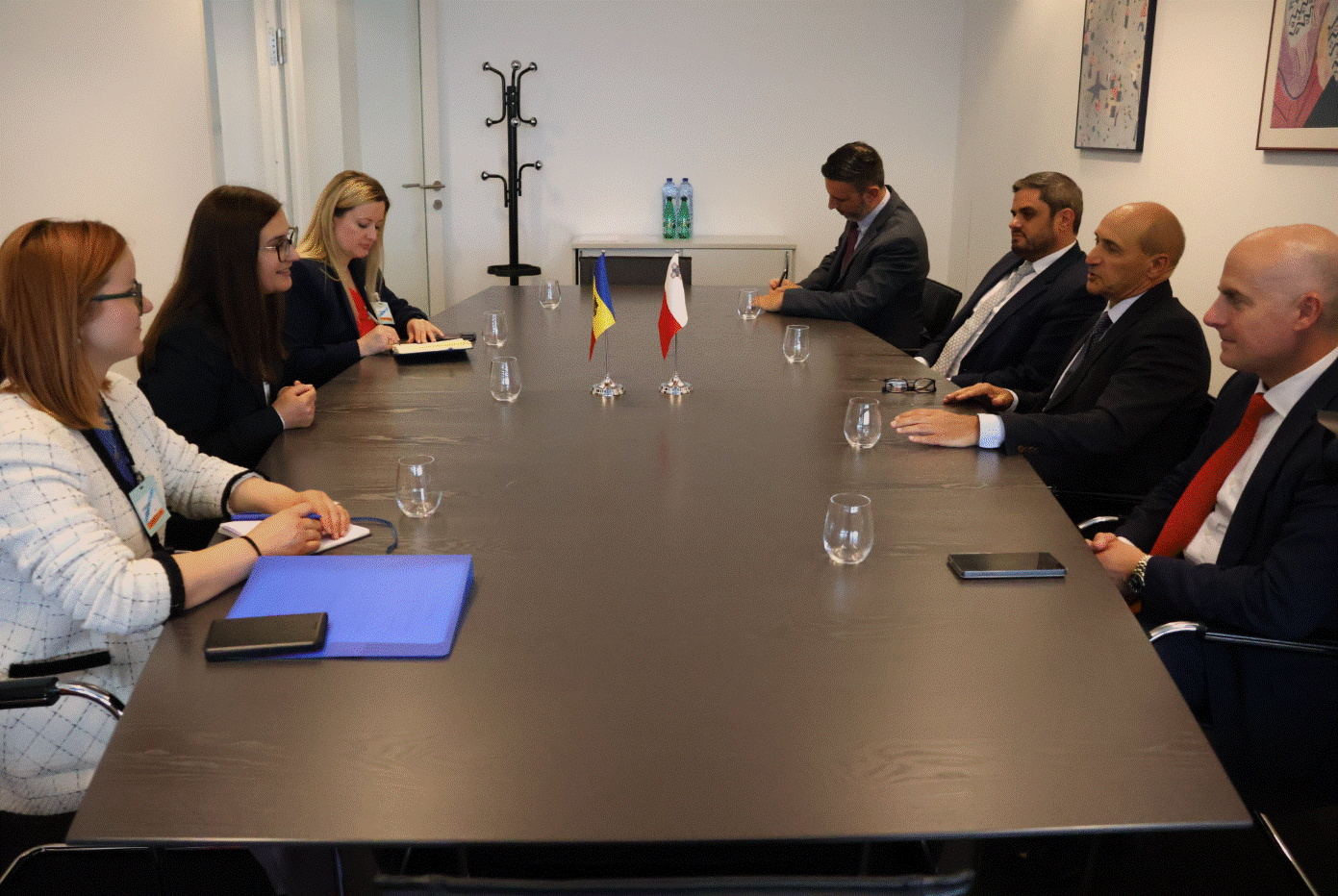
Image: The Maltese Herald
Malta's new government held its first bilateral meetings on the margins of the European Foreign Affairs Council on 15 June 2026, with Foreign Affairs Minister Chris Fearne conducting separate talks with Moldova and Egypt while the ministry set out positions on Iran, Russia and maritime sanctions. Fearne met Cristina Gherasimov, Moldova's Deputy Prime Minister for European Integration, at a moment of fresh enlargement momentum: earlier that week, the EU Commission approved accession talks with both Ukraine and Moldova.
Malta publicly declared support for both countries' EU membership bids, placing itself squarely within the pro-enlargement camp at a point when the question carries real political weight across the union. The meeting with Egyptian Foreign Affairs Minister Badr Abdelatty produced a concrete commitment: the two countries agreed to establish a technical committee to pursue further trade cooperation, with the energy sector identified as a specific area of focus.
The committee's precise mandate, timeline and structure were not described in the ministry's statement. In its first official statement, the ministry welcomed a deal reached between the United States and Iran. Malta also condemned Russian attacks on Kyiv that took place on 15 June – the same day as the Council session.
Fearne reiterated Malta's stated aim of securing its shores from Russian shadow fleet vessels, a position the ministry describes as a continuation of existing policy. Russian oil has been unloaded in Malta through Greek shippers and both Malta and Greece had previously opposed EU sanctions targeting the maritime industry servicing Russian vessels. On 15 June, neither country opposed the latest sanctions package.
Fearne's stated condition for going further is G7 alignment – any expansion of maritime sanctions should, in Malta's view, be coordinated with G7 partners rather than pursued by the EU alone.
SOURCES
Related
Related articles
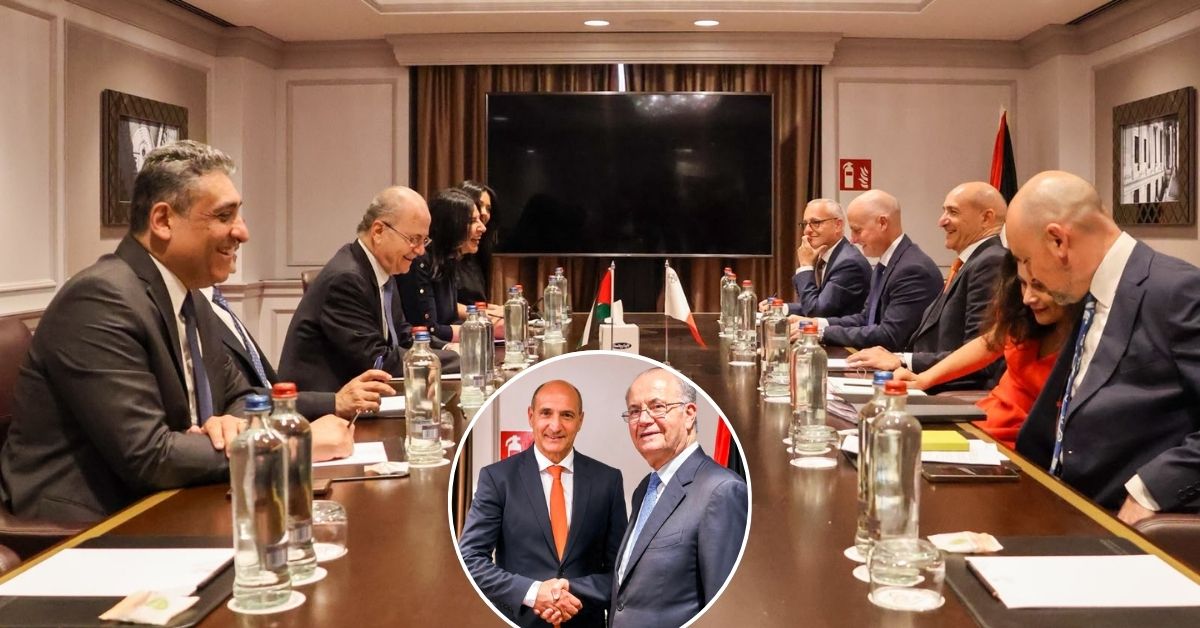
Fearne meets Palestinian PM to deepen Malta-Palestine ties
The two sides agreed to deepen Malta-Palestine ties through medical sector capacity-building and cultural exchange initiatives.
Read more
PN renews calls for action as Malta's electricity crisis persists
A care home for older persons in Gżira lost power for approximately half a day, preventing residents from having meals prepared.
Read more
Borg: PM out of touch with Malta's financial reality
Borg pointed to three groups whose concerns he said bore no relation to boat ownership.
Read more