
EU Fast-Tracks Montenegro with New Safeguards
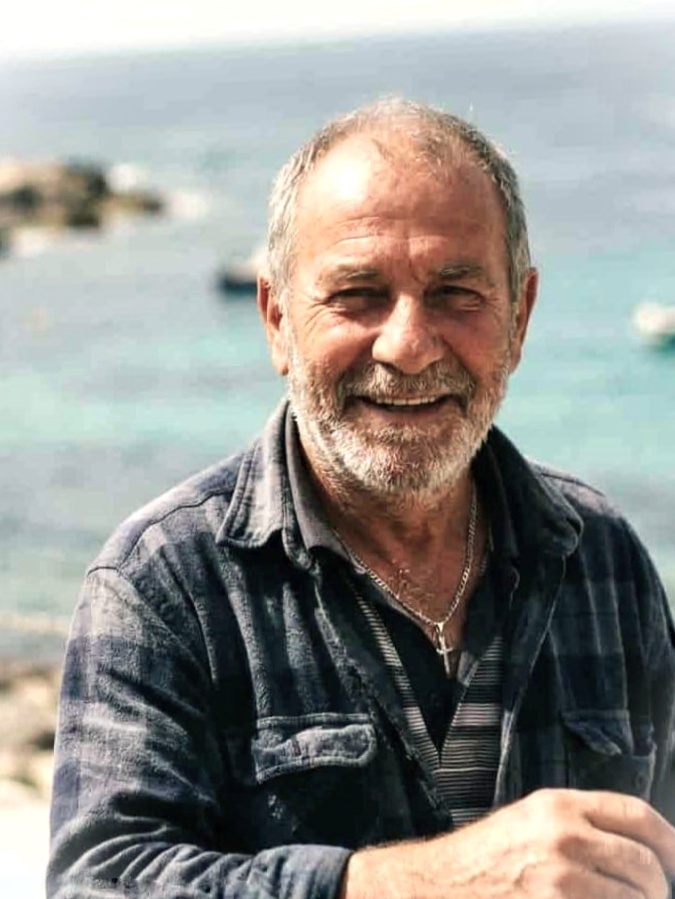
The EU is fast-tracking Montenegro's accession while building new post-accession safeguards, a shift with implications for small states like Malta.
 Sliema News
national
Sliema News
national
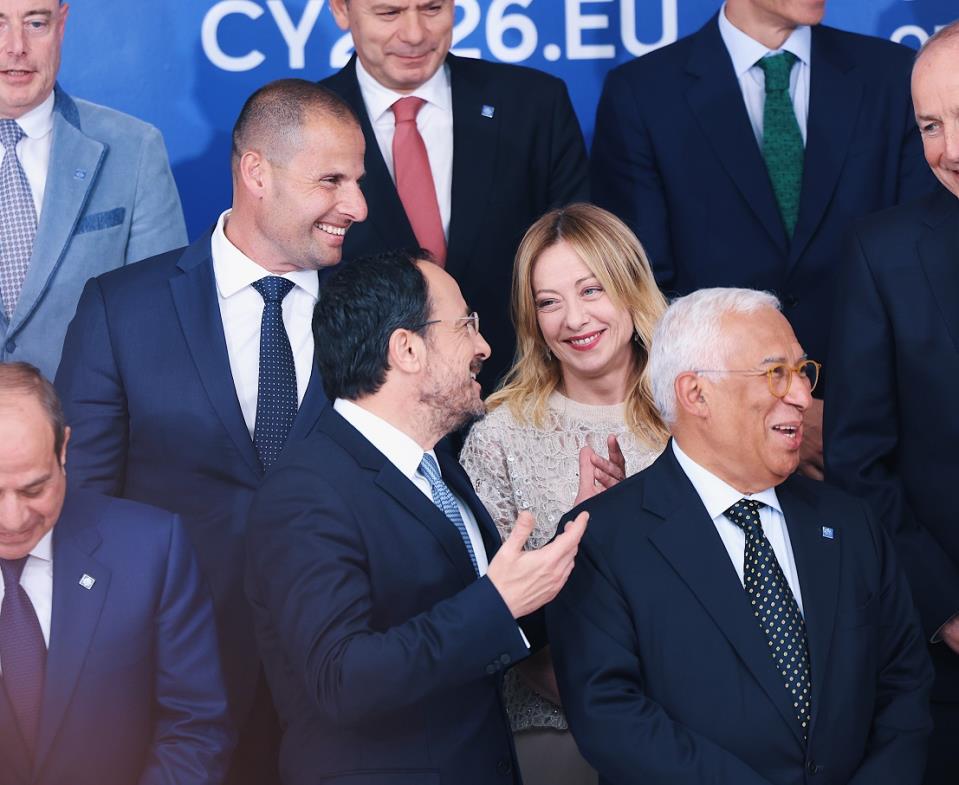
Image: The Malta Independent
European Union leaders gathered in Tivat, a coastal Adriatic town in Montenegro, on Friday for an EU-Western Balkans summit centred on the bloc's enlargement agenda. Antonio Costa, the European Council President, chaired the meeting; among those seated at the table were Emmanuel Macron of France, Friedrich Merz of Germany, Giorgia Meloni of Italy, European Commission President Ursula von der Leyen and Maltese Prime Minister Robert Abela.
Montenegro's 623,000 people were at the heart of it. The EU has already formed a working group to draft an accession treaty for Montenegro, whose stated ambition is to become the 28th member state by 2028. The country has stamped that goal with the motto '28 by 28', inscribed on one of its national airline's planes.
Montenegro declared independence from a union with Serbia 20 years ago and joined NATO in 2017; it now leads the Western Balkans field ahead of Albania, Bosnia-Herzegovina, Serbia, Kosovo and North Macedonia in the EU accession process. Costa arrived in Tivat having toured the Western Balkans earlier in the week, meeting Serbian President Aleksandar Vučić on Thursday.
He made the case in direct terms: in times of 'global geopolitical uncertainty and economic instability', expanding the EU is 'not just an opportunity. ' Ukraine and Moldova are in the candidate queue. Approximately ten countries in total are aspiring to join the bloc and Iceland is scheduled to hold a referendum in August on whether to apply for membership — a vote that, if it produces a yes, would add yet another candidate to a queue already testing the EU's institutional capacity.
The EU is developing enforcement tools — including financial penalties and restricted access to the single market — designed to press incoming nations to carry out reforms and stay aligned with EU standards once they are inside the bloc. Faruk Bašić, a researcher at the Brussels Institute for Geopolitics, assessed that the summit is likely to produce both rapid movement toward Montenegro's 2028 accession and new mechanisms to hold member states to account after entry.
'The EU is trying to find a way how to admit a country that isn't fully ready to be admitted without losing the ability to hold it accountable after the fact,' Bašić said, citing Ukraine's accession bid alongside Western Balkans candidates including Serbia and Kosovo. This is the first major EU leaders' summit since Viktor Orbán's defeat in April ended 16 years in which Hungary routinely flouted EU democratic standards and used its veto in the European Council.
The accountability mechanisms under discussion in Tivat are, at least in part, a structural response to that experience. Candidate countries must align their laws with 35 policy chapters, covering areas from justice standards to farm and fisheries rules, with all 27 current EU members required to agree before each chapter is opened and again before it is closed.
Completing that process by 2028 leaves little margin.
Related
Related articles
 Sliema
national
Sliema
national
Malta Resuscitation Council pushes CPR into schools
The Malta Resuscitation Council is calling on the government to embed CPR training in Malta's National Curriculum.
Read more Sliema
national
Sliema
national
Labour MP shifts stance on gender quotas for parliament
Without structural correction, she argues, women face an uneven path to parliamentary representation.
Read more Sliema
national
Sliema
national
ADPD: Traffic Fix Needs Car Reduction, Public Transit
Chairperson Sandra Gauci said a genuinely affordable and efficient transport system must prioritize public transit on the road network itself.
Read more