
Labour MP shifts stance on gender quotas for parliament
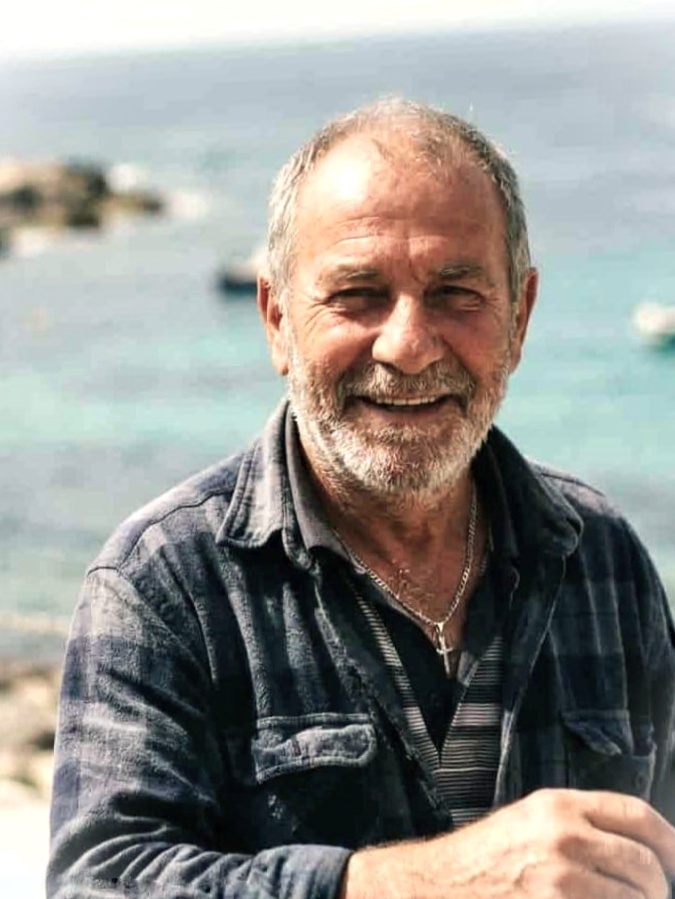
Without structural correction, she argues, women face an uneven path to parliamentary representation.
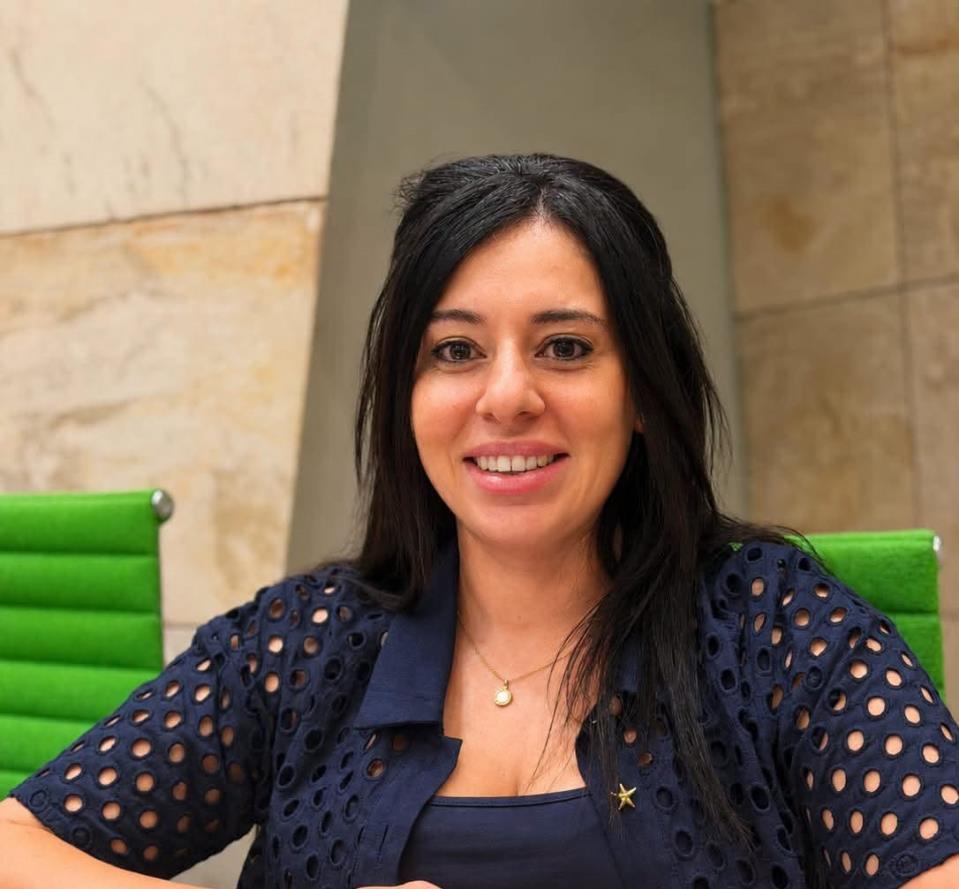
Image: The Malta Independent
Yana Borg Debono Grech, a newly elected Labour MP, has reversed her previous opposition to Malta's gender-corrective mechanism, saying that her experience as a public figure convinced her the measure is necessary. She attributes the shift to encounters with what she describes as a male-dominated political environment, where Malta remains "a man's world." Without structural correction, she argues, women face an uneven path to parliamentary representation.
She does not regard the mechanism as permanent and expressed hope that women will eventually reach sufficient representation through electoral strength alone, making it unnecessary. She cautioned female candidates against assuming the mechanism will secure their seats, warning that such complacency could prove damaging. Borg Debono Grech represents electoral districts 1 and 8.
Her campaign prioritised door-to-door canvassing over media appearances. Voters most commonly told her they wanted guidance through personal difficulties, not a politician to solve their problems outright–a finding that has shaped her sense of what an MP should do. She is the granddaughter of Joe Debono Grech, who served as an MP for more than 50 years and she described occupying the same parliamentary seat as meaningful–a continuation of a family tradition of public service.
On the doorstep, that association helped establish rapport with voters who remembered her grandfather warmly while hardening resistance from those who had disagreed with her family politically. On infrastructure, she called for stronger coordination between government and local councils: "The pavement shouldn't be built after the road, but with the road." Caring for her mother, who used a wheelchair and later navigating streets with a pushchair gave her direct experience of inaccessible pavements.
For districts 1 and 8, she proposed public-private partnerships to open privately owned green areas rather than building new gardens from scratch, citing Manoel Island, returned to public use under the Labour government, as a model. On foreign workers, she said the economy depends on them in sectors where there are not enough Maltese workers, while arguing that population growth needs better balance.
She expressed full support for government inspections targeting people without legal status. On governance controversies, she said the ministers involved had taken responsibility by resigning and that lessons had been learnt. Her stated legislative priorities include family-related issues such as work-life balance and greater parliamentary attention to mental health.
On Labour's reduced vote margin at the most recent general election, she said the drop was to be expected after four consecutive victories and that improving quality of life is the clearest path to rebuilding support. She views the Nationalist Party not as a threat but as necessary for healthy political competition and called for constructive criticism from the Opposition.
SOURCES
Related
Related articles

Malta's 15th parliament to open saturday in record time
The 14th legislature, by comparison, opened on 7 May 2022, six weeks after polls closed on 26 March that year.
Read more
Farrugia's 13-year speakership under scrutiny
His tenure drew sharply divided assessments, most persistently over rulings in which his conclusions diverged from findings made by the Standards Commissioner.
Read more
Borg dodges corruption questions, flags assets
PN leader Alex Borg deflected corruption questions on the campaign trail, pivoting instead to a proposal that MPs' assets declarations be published.
Read more