
Malta ranked Europe's most overcrowded island
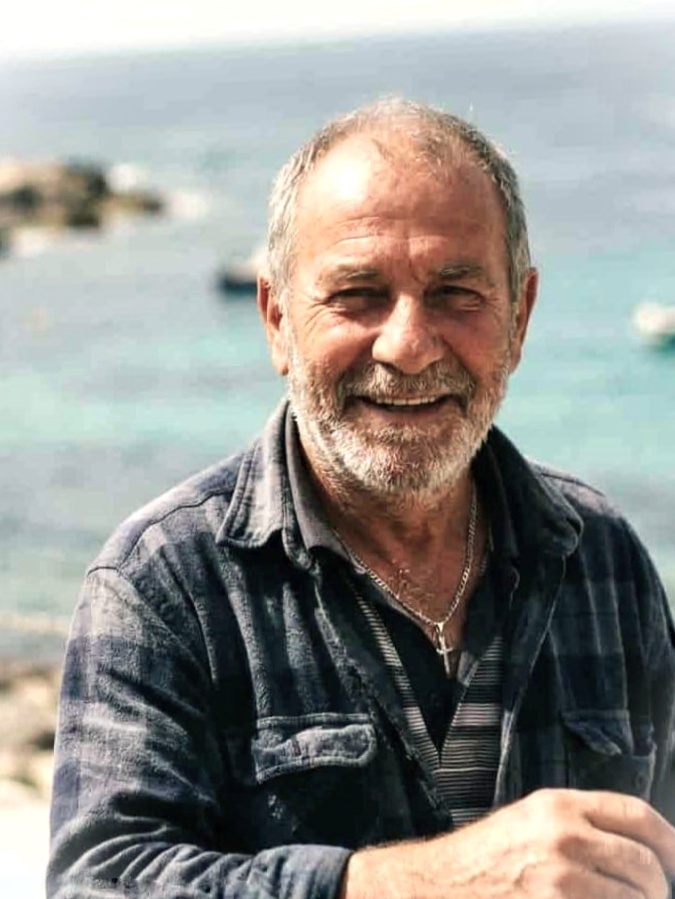
A BookRetreats study put Malta first for tourism density in Europe, with more than 38,000 overnight stays per square kilometre and a government target of 4.5 million arrivals by 2034.
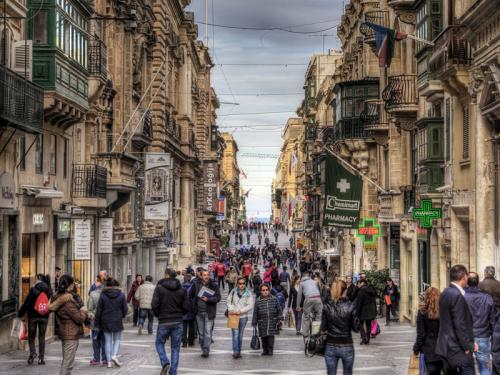
Image: New York Post
Malta has been ranked Europe's most overcrowded island for 2026 in a BookRetreats analysis reported by the New York Post, based on European Commission tourism-density figures for 2023. The study put the islands at more than 38,000 overnight stays per square kilometre – the highest concentration among the European islands surveyed – on a land area of about 316 km².
BookRetreats co-founder Sean Kelly said the ranking shows how tightly visitor pressure is packed into small destinations. "These places weren't built for millions of visitors a year," he said. Mallorca draws more tourists in absolute numbers, the report noted, but no island concentrates tourism like Malta.
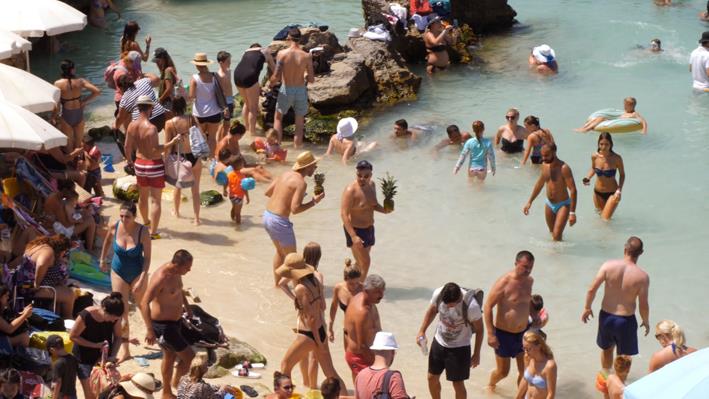
The same coverage flagged peak pressure at Comino's Blue Lagoon, where summer crowds have reached about 12,000 people a day. Authorities have since capped daily visitors at 4,000 and introduced mandatory booking. Despite that constraint, the Maltese government is still aiming for 4.5 million annual arrivals by 2034.
In Malta, The Shift said the international ranking echoed long-running local complaints about traffic, overflowing pavements, construction and strained public services. The Malta Hotels and Restaurants Association has repeatedly urged a shift from volume to quality tourism, arguing that arrival totals alone do not measure whether the product remains competitive. The Malta Chamber of Commerce has separately called for a carrying-capacity study, warning that infrastructure and public services are not keeping pace with population and visitor growth.
For Sliema, the national ranking maps onto pressure already visible on the ground: a dense residential-commercial waterfront, summer party-boat returns at the ferries and nearby short-let enforcement actions. Residents and hoteliers are arguing about the same problem the study measures in overnight stays – how much activity a small coastal locality can absorb before cleaning, transport and daily life fall behind.
SOURCES
Related
Related articles
Comino visitor cap can be revised, says tourism minister
Tourism Minister Jo Etienne Abela told Parliament that the 4,000-person daily visitor cap on Comino is open to revision.
Read more
Gozo power outage leaves residents without electricity for 26 hours
Parts of Gozo lost electricity for up to 26 hours after two major faults hit Enemalta's high-voltage network.
Read more
Malta population pressure as Swiss reject cap
Supporters argued Switzerland was becoming overcrowded and public services were buckling under strain.
Read more