
Malta's election exposes two incompatible growth visions
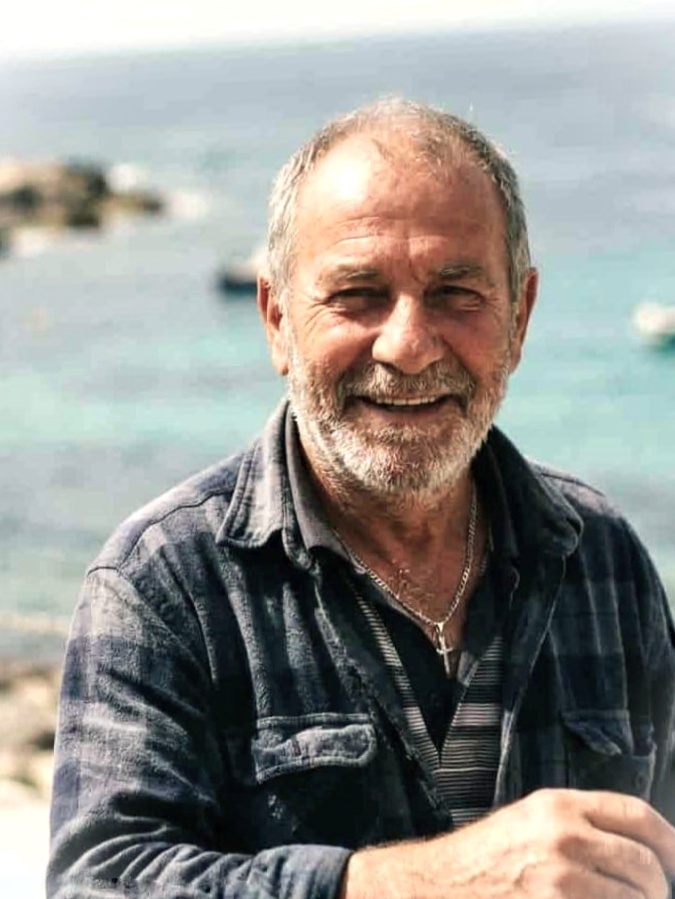
Labour and the PN are offering voters fundamentally different diagnoses of Malta's development pressures, with Sliema at the sharpest edge of the divide.
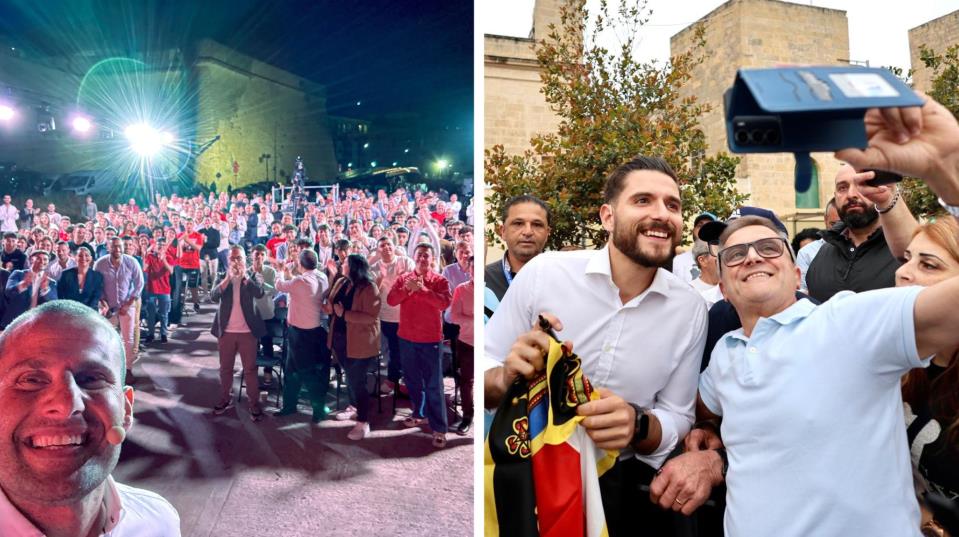
Image: The Malta Independent
By the time Malta's election campaign passed its halfway point this week, Labour and the Nationalist Party had clarified their contest into genuinely incompatible diagnoses of the same national problem. Labour's position, anchored in Prime Minister Robert Abela's campaign and formalised in the party's manifesto launch on Friday, holds that Malta's economic growth has created infrastructure and housing pressures that smarter investment and planning can absorb.
The week's flagship illustration was the government's agreement to return Manoel Island to public ownership, which Abela presented alongside commitments to parks, afforestation and expanded public spaces as evidence that the growth model can still deliver liveable outcomes. His manifesto extends that logic into welfare: extended parental leave, disability support, IVF reforms, pension increases, healthcare expansion, bonuses for older workers, carer assistance and first-time buyer support schemes are all framed as ways of sustaining broad participation in a growing economy.
A pledge to hold a referendum on euthanasia signals Labour's ambition to set the agenda beyond economics as well. Alex Borg and the PN are arguing something categorically different. Borg's campaign language – built consistently around the words 'renewal' and 'fresh breath' and his portrait of Malta as a country strained by overdevelopment, rising costs and rapid population growth – treats the growth rate itself as the pathology, not a side-effect to be administered away.
His policy platform follows that logic directly: population planning, labour market regulation and migration reform as instruments of structural restraint, paired with tax reductions, mortgage-interest support, pension guarantees and expanded deposit assistance for property buyers as relief for those already priced out. The PN argues for reducing dependence on state support by putting more disposable income directly into people's hands, where Labour reaches for state grants and expanded entitlements.
Housing affordability is where the two platforms collide most concretely. Labour's answer sits within a growth-positive system of buyer schemes and deposit support; the PN's is paired with the argument that supply-demand distortions will persist until population-side pressure is brought down. Specific costings for the housing measures announced during the week were not detailed in campaign materials reviewed, which means voters are being asked to choose between competing architectures of belief before the structural details are filled in.
Both parties face a credibility challenge on their own terms. Abela repeatedly accused the Opposition of 'auction politics' – promising expensive measures without clear funding plans – and invoked European fiscal rules and deficit targets to frame the PN's offer as fiscally reckless. Borg's counter is that Labour has governed for 13 years and should be judged on a record of stalled infrastructure projects, abandoned reforms and manifesto pledges that reappeared this cycle having gone unfulfilled in previous ones.
Both attacks carry structural weaknesses of their own: Labour's manifesto includes commitments whose costings were not detailed in campaign materials reviewed and the PN's population and migration reform proposals have not been accompanied by supporting financial figures in materials reviewed. One detail from the week quietly reveals the shared anxiety beneath the ideological divide: both parties converged on exactly the same voter demographics – pensioners, families, disciplined corps members, first-time buyers, women and persons with disabilities.
These are the groups absorbing the costs of growth most directly. The disagreement is about whether investment and planning can absorb the pressure or whether the growth rate itself needs to come down first.
SOURCES
Related
Related articles
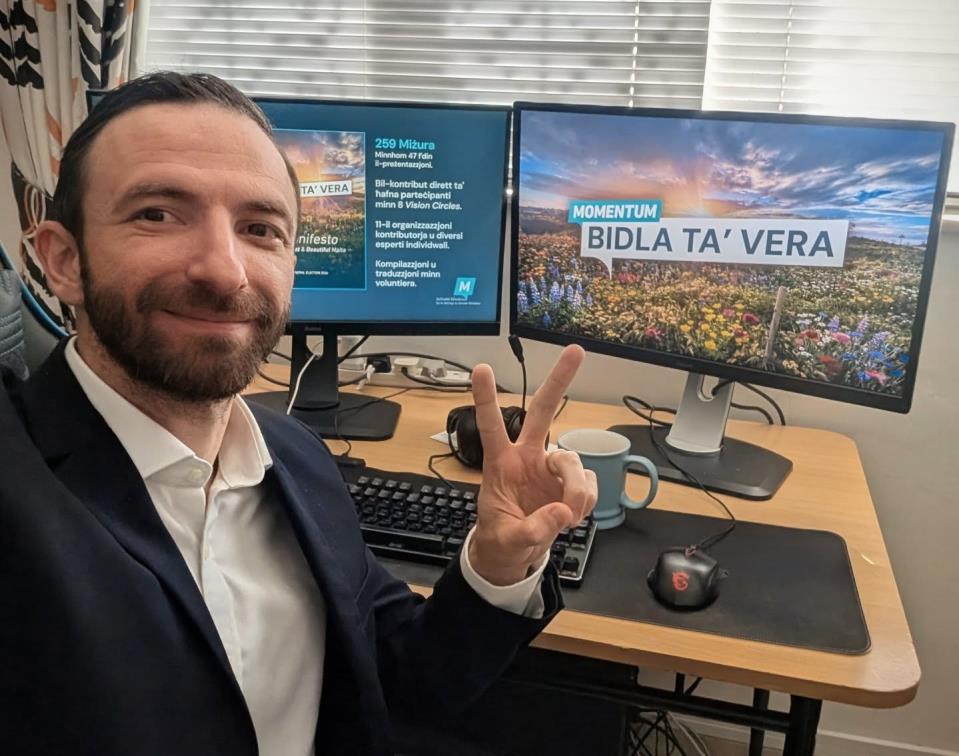
Momentum claims third-force status after win
Momentum secured roughly 4,700 votes with seven candidates in its first general election and now claims the title of Malta's largest third political force.
Read more
Borg apologises, pledges €350 m Gozo Hospital
PN leader Alex Borg apologised for the party's record in government at a Munxar rally before unveiling a €350 million, 400-bed Gozo hospital pledge and harbour, ferry and policing commitments.
Read more
Labour candidate rababah faces cluster of allegations
Labour candidate Omar Rababah faces public allegations over donations, Syrian community ties and public-service roles during Malta's election campaign.
Read more