
Construction debris clogs Sliema sewerage system

Water Services Corporation reports major blockage in local sewer network caused by illegally dumped construction materials.
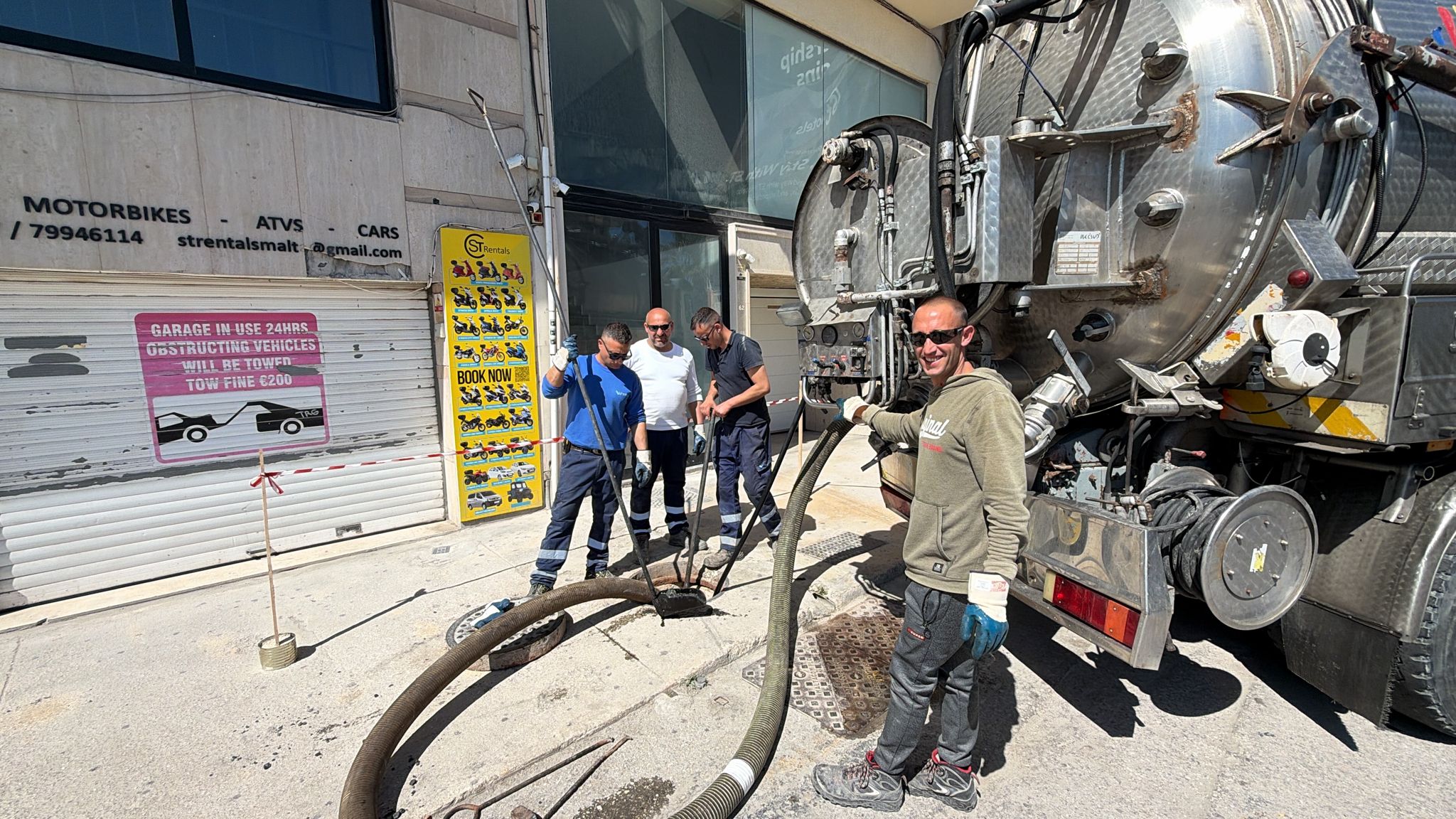
Image: Newsbook
The Water Services Corporation has confirmed that construction debris illegally put into the sewerage system created substantial blockages in Sliema's underground network, Newsbook reported.
The corporation said on Monday that unauthorised disposal of building materials had compromised wastewater infrastructure serving residential and commercial properties in the locality. Blockages of this kind can lead to backups and public-health risks if they are not cleared.
What WSC is doing
Water Services Corporation crews are working to clear the affected sections of the network. The published report did not name the worst-hit streets, give a full cost estimate, or set a firm date for restored normal service.
Contractors and developers working in Sliema are required to remove construction debris through licensed waste channels rather than through public sewers. The corporation's finding points to that rule being breached, not merely to generic "infrastructure pressure" in a busy town.
Local follow-up
Sliema has seen repeated utility strain linked to building waste, including earlier sewage overflow episodes on the waterfront. Residents seeing backups or unusual odours should treat them as a live network fault and report them through WSC's channels while clearance work continues.
SOURCES
Related
Related articles
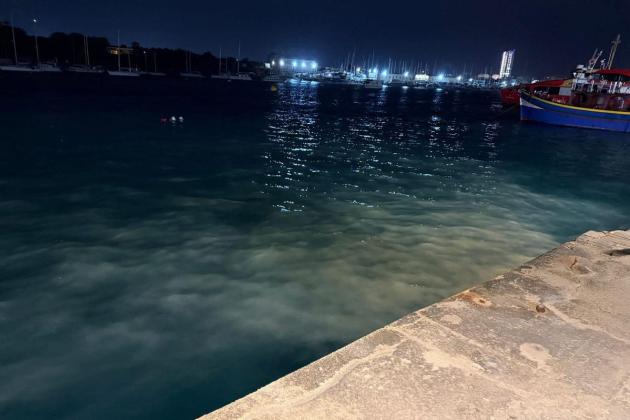
Building waste causes Sliema sewage overflow
WSC discovers construction debris blocking sewer systems, resulting in sewage discharge into coastal waters near Sliema promenade.
Read more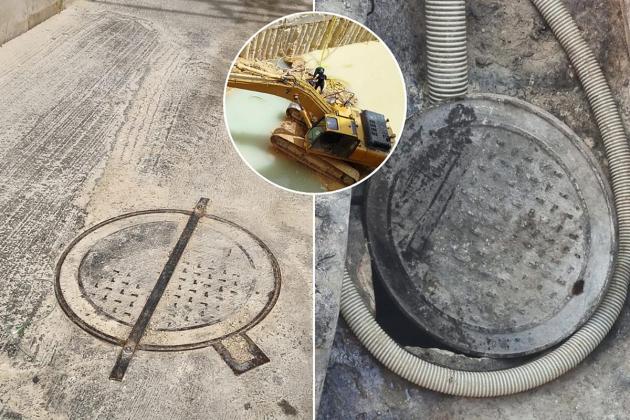
WSC takes emergency action on Sliema sewage
WSC responds to resident complaints about ongoing pumping operations affecting local community in Sliema area.
Read more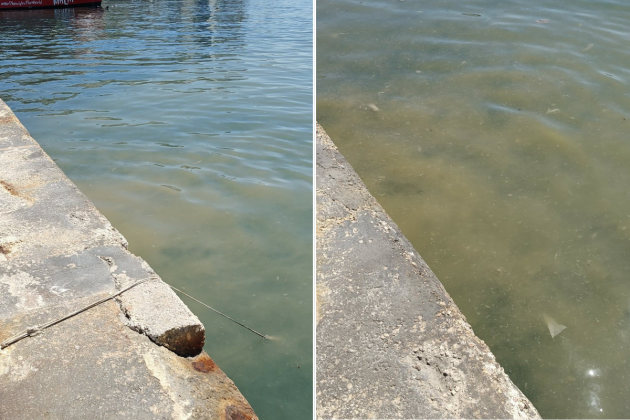
Foul odours near Sliema Ferries raise concerns
Local residents report weeks of unpleasant smells in the ferry terminal area, sparking concerns about potential sewage issues.
Read more