
Tribunal rejects 14-storey hotel in Sliema

Source: Times of Malta +2 more
Environmental Planning Review Tribunal overturns permits for twin hotel towers after residents raised concerns about inappropriate scale.
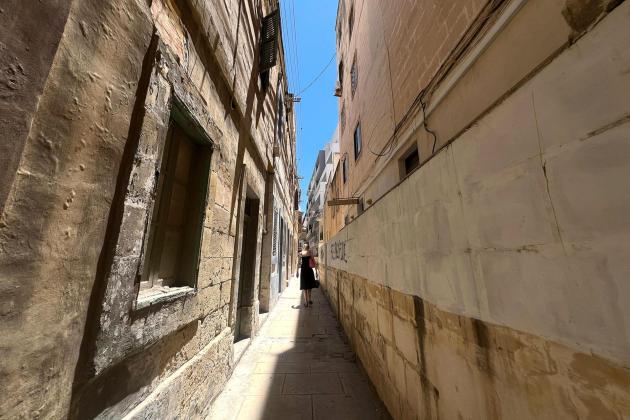
Photo: Times of Malta
The Environmental Planning Review Tribunal has sided with local residents by overturning planning permits for two substantial 14-storey hotel developments proposed for a narrow street in Sliema's residential quarter. The decision represents a significant victory for community groups who argued that such large-scale commercial developments would be completely out of character with the surrounding neighbourhood.
The proposed twin towers would have dramatically altered the streetscape of what is currently a predominantly residential area, raising concerns among locals about the appropriateness of introducing major hospitality infrastructure into established housing districts. Residents had expressed particular worry about the impact such developments would have on their quality of life, citing potential issues with increased traffic, noise levels and the general disruption that large commercial operations typically bring to quiet residential streets.
The original permits had been granted despite the residential nature of the location, prompting concerned citizens to take their case to the review tribunal. The tribunal's decision to overturn these permits demonstrates the importance of community input in the planning process and suggests that development proposals must demonstrate better compatibility with existing neighbourhood character.
This outcome reflects growing tensions across Sliema between development pressures and residents' desire to maintain the livability of their communities. The seaside town has experienced significant construction activity in recent years, with numerous apartment blocks and commercial developments transforming various parts of the locality.
The tribunal's ruling may set an important precedent for similar cases where large-scale commercial developments are proposed in predominantly residential zones. Property developers and planning consultants will likely need to demonstrate more convincingly how their projects integrate appropriately with existing community fabric rather than overwhelming it.
For Sliema residents, this decision offers reassurance that their concerns about inappropriate development can be heard and acted upon through proper channels.
SOURCES
Related
Related articles
Five hotel towers proposed along Sliema's seafront
Five hotel towers have been proposed along Sliema's seafront, adding to concerns over high-rise development on Malta's most densely built coastline.
Read more
Developer seeks to sanction Sliema demolition
Carlo Stivala seeks to legitimise facade demolition and add two additional hotel floors in controversial Sliema development project.
Read more
Britannia Flats in Sliema to add six storeys
The proposal would create 10 new apartments spread across five additional storeys and a penthouse level above the existing building.
Read more