
Government targets 25% renewable energy share by 2030
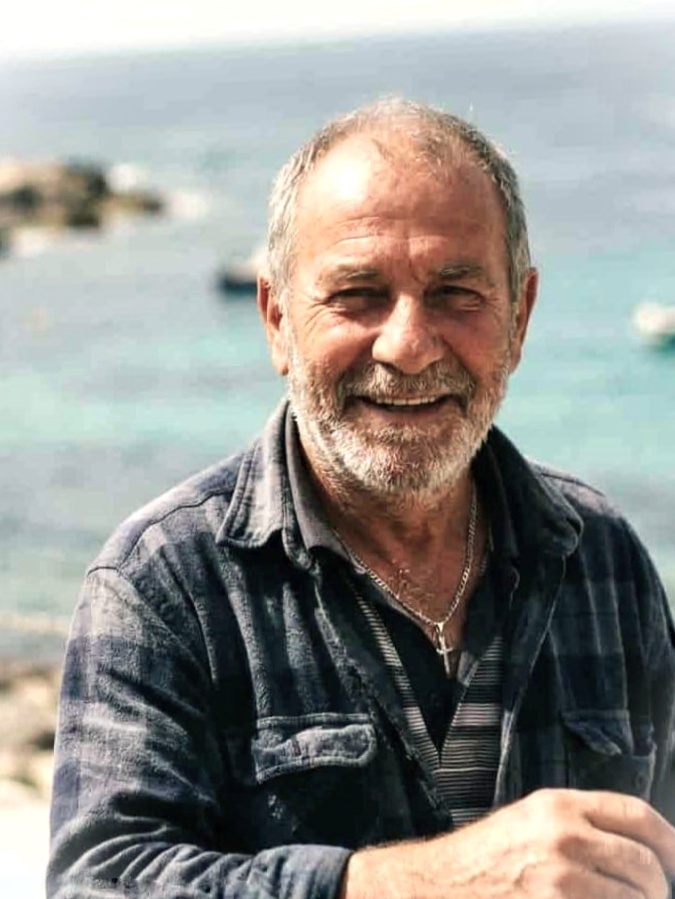
Prime Minister announces ambitious renewable energy targets as Malta aims to diversify its power generation mix within four years.
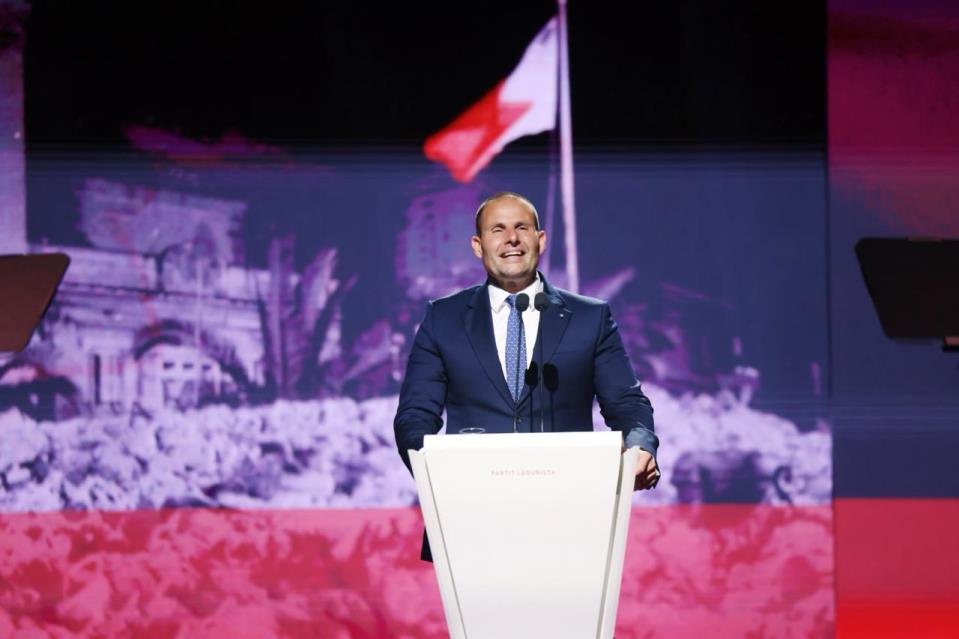
Image: The Malta Independent
The Maltese government has set an ambitious target to source one-quarter of the nation's electricity from renewable sources by 2030, representing a significant acceleration in the country's clean energy transition. This announcement comes as Malta prepares to unveil a comprehensive 25-year energy strategy that could transform how the archipelago powers its economy.
Renewable energy expansion plans
The commitment marks a substantial shift from Malta's historical energy profile. According to government figures, renewable sources accounted for less than 3% of the national energy mix just over a decade ago, climbing to approximately 17% today. The proposed jump to 25% within four years signals an intensive period of infrastructure development ahead.
For Sliema residents and businesses, this transition could bring tangible benefits through the government's pledge to expand renewable energy access beyond traditional rooftop installations. Many properties along the Sliema waterfront and in the town's dense urban core lack suitable space for solar panels, making this initiative particularly relevant for local households and commercial establishments.
Economic and strategic implications
The renewable energy push forms part of broader economic resilience measures, with officials emphasising Malta's role as a potential energy distribution hub between North Africa and mainland Europe. This positioning could leverage Malta's strategic Mediterranean location while reducing dependence on imported fossil fuels.
The government has also committed to maintaining its policy of absorbing energy price increases rather than passing costs directly to consumers and businesses. This approach aims to shield local families and enterprises from volatile international energy markets, a consideration particularly important for Sliema's tourism-dependent hospitality sector.
Long-term vision and social progress
Beyond energy policy, the announcement encompassed broader social initiatives, including plans for Malta's first National Commission for Human Rights and Equality. New legislation focusing on disability rights protection and constitutional safeguards against abuse is also advancing through parliamentary processes.
The comprehensive approach reflects government priorities extending beyond environmental concerns to encompass social equality and economic stability. As Malta navigates international uncertainties while maintaining one of Europe's strongest employment rates, these initiatives represent an attempt to balance sustainability goals with continued economic growth.
SOURCES
Related
Related articles
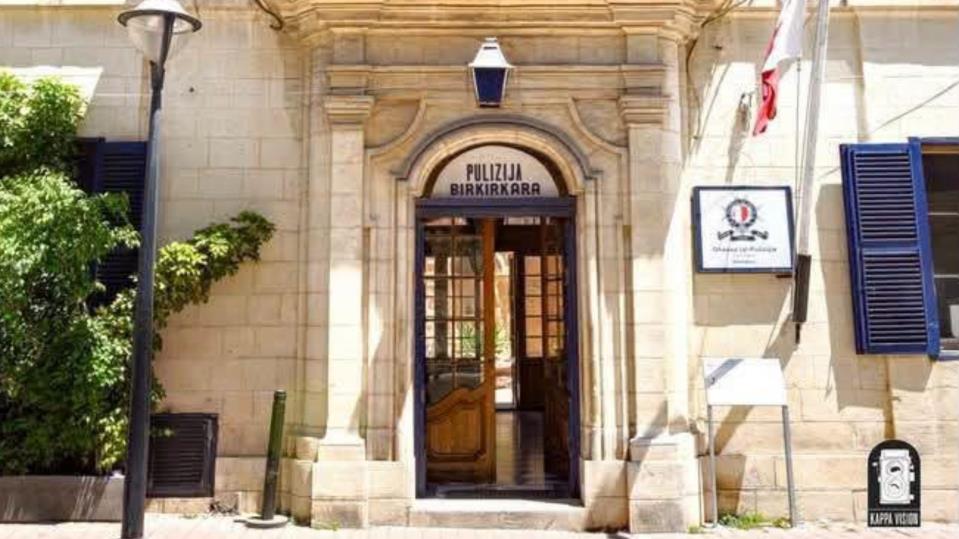
PN demands government explain Birkirkara police station
Birkirkara Police Station is classified by the Malta Police Force as a District Police Station and serves as the main base for the Ninth Police District.
Read more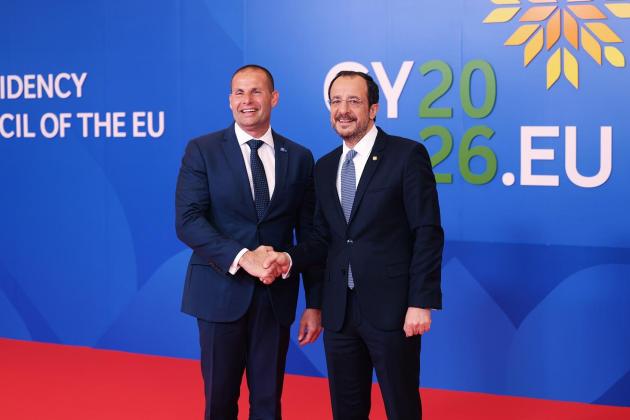
Malta commits to energy security measures
Prime Minister Robert Abela assures European counterparts that Malta will maintain stable energy supply amid rising global prices.
Read more
Planning authority approves il-fortizza microbrewery
The Planning Authority has approved restoration and adaptive-use works at il-Fortizza on Tower Road, Sliema.
Read more