
Sliema and Malta's Hotspots Strain Under Rising Overcrowding

When a community adapts psychologically to higher crowd levels, it tends to accept the crowding itself.
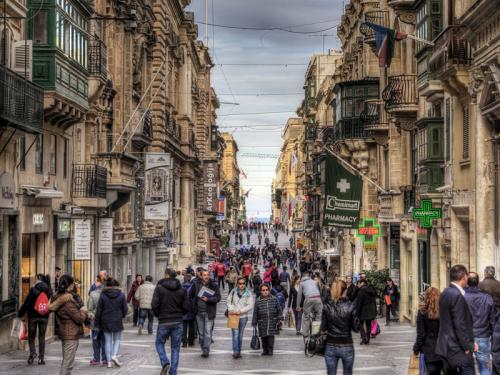 Sliema News
Image source: Talk.mt
Foreign visitors arriving in Malta in early spring have remarked on the density of people filling Valletta's streets, pointing to something more systemic than seasonal tourism peaks. Overcrowding is intensifying across Malta's most prominent localities—Valletta, Sliema, Mdina, Cottonera, beaches, museums and public transport—straining systems well beyond typical road congestion complaints. What distinguishes the current situation is not merely the volume of visitors and residents competing for space, but what happens socially when that volume becomes the norm.
An observer notes that overcrowding gradually becomes normalised: people adjust expectations, recalibrate what feels tolerable and stop registering density as unusual. When a community adapts psychologically to higher crowd levels, it tends to accept the crowding itself. What does not adapt at the same pace is the demand crowding places on physical infrastructure—cleaning, maintenance, hygiene and public health systems servicing a larger, more concentrated population.
The social tolerance curve and the resource provision curve move at different speeds. The gap between them is where visible decline accumulates. For Sliema residents in a commercially active locality already accustomed to heavy footfall, this mismatch is concrete.
Higher volumes of people through promenades, retail streets and transport links generate more waste, more wear and more public health pressure. When these inputs grow faster than the systems managing them, effects appear as felt rather than announced: streets that feel less clean, public amenities under heavier use, a general sense the environment is not keeping pace.
The same dynamic applies to Valletta, where foreign visitors noted crowds on ordinary spring days in both a working capital and major heritage destination. Mdina and Cottonera, which draw visitors for their historic character, face the same tension. Authorities managing those sites must sustain the environment to a certain standard—and doing so requires sustained, proportionate resources.
Museums and beaches complete the picture of locations where the ratio of users to upkeep investment becomes a visible practical question. No specific remedy has been offered for whether addressing this gap requires deliberate policy response, targeted investment or explicit planning connecting projected visitor volumes to service capacity. Acceptance is not adequacy.
If public tolerance adjusts to higher density while infrastructure investment does not, the conditions that made these places worth visiting and worth living in erode quietly rather than visibly break. How Malta manages this tension—particularly in localities like Sliema at the intersection of resident life, commercial activity and tourism—lacks a clear public answer. The pressure is present now, not approaching.
The longer the lag between crowding and resources required to manage it, the harder the gap becomes to close.
Related
Related articles
 Sliema
tourism
Sliema
tourism
Journalist Faces Threats Over Sliema Hostel Investigation Report
Wife of hostel operator allegedly threatens journalist following coverage of tenant eviction case in Sliema accommodation facility.
Read more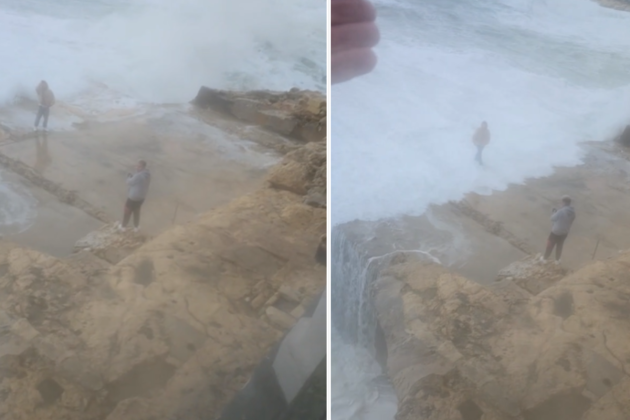 Sliema
transport
Sliema
transport
Mayor Issues Safety Warning as Rough Seas Batter Sliema Waterfront
Local authorities urge residents and visitors to avoid coastal areas as dangerous waves crash over popular seafront structures.
Read more Sliema
football
Sliema
football
San Ġiljan Condemns Supporters Over Object-Throwing at Officials
San Ġiljan ASC condemned supporters who threw objects at match officials after a 19–18 Summer Championship water polo loss to Sliema on Wednesday.
Read more