
Rare photo: Mount Etna seen through fort tigné

Source: Times of Malta
Local photographer captures stunning alignment of Sicily's Mount Etna volcano through the historic arches of Sliema's Fort Tigné.
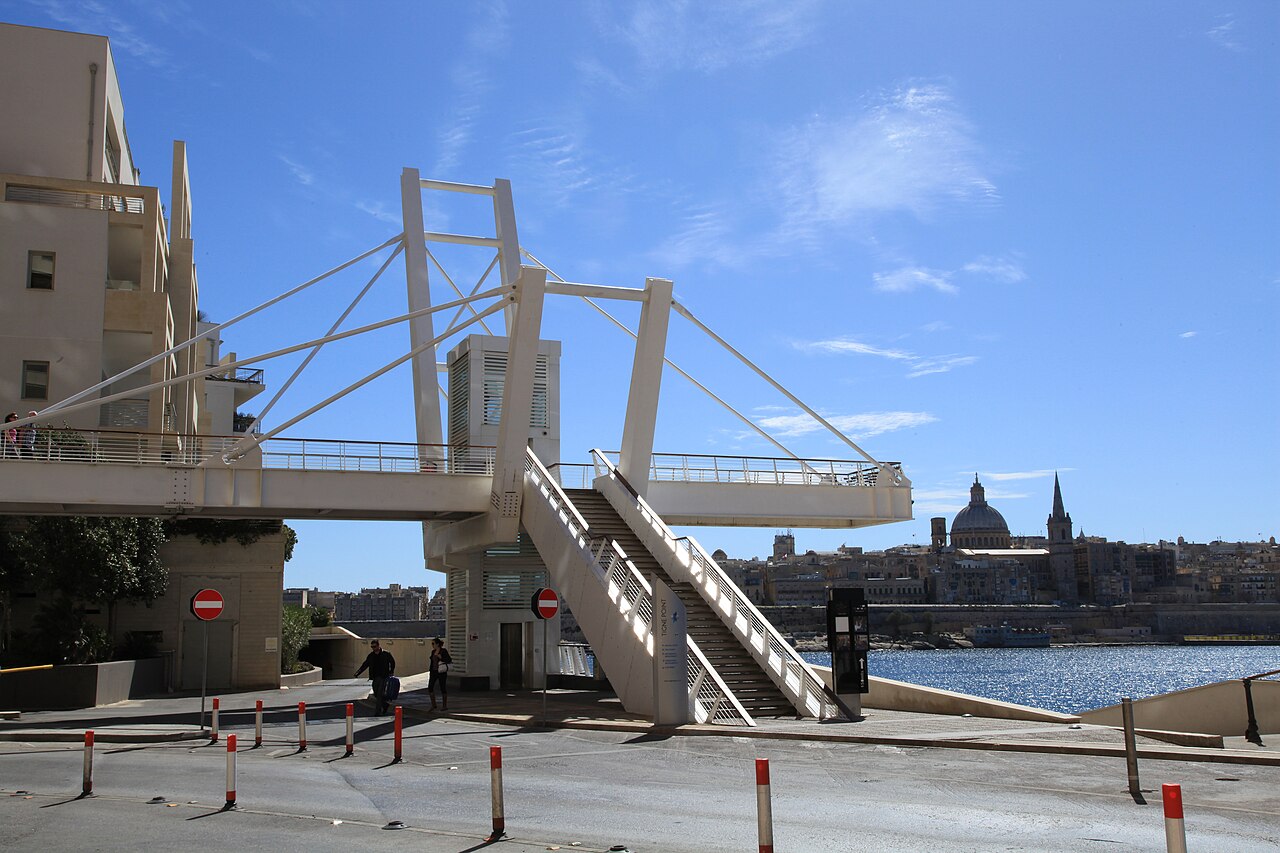
A remarkable photograph has emerged showing Sicily's iconic Mount Etna volcano perfectly positioned within the architectural framework of Fort Tigné, creating an extraordinary visual connection between Malta's coastal heritage and the distant Italian landscape. The image, taken by photographer Daniel Cilia, demonstrates the unique geographical positioning that makes such cross-Mediterranean views possible from Sliema's prominent waterfront location.
The photographic achievement highlights how clear atmospheric conditions can occasionally reveal distant landmarks from Malta's northeastern shores. Mount Etna, standing at over 3,300 metres above sea level and located approximately 300 kilometers northeast of Malta, becomes visible during specific weather patterns that reduce atmospheric haze and enhance long-distance clarity.
Fort Tigné's distinctive 18th-century architecture provided the perfect foreground element for this striking composition. The fort's stone arches and defensive walls, built during the Knights of St. John period, created natural framing that emphasised the dramatic scale of the distant volcanic peak. This architectural detail adds historical depth to the contemporary photographic work, connecting Malta's military heritage with the broader Mediterranean landscape.
The fortification itself remains a significant landmark along Sliema's coastline, though its future preservation continues to generate community discussion. Local residents and heritage advocates regularly emphasise the importance of maintaining such historical structures, which serve not only as cultural monuments but also as unique vantage points for appreciating Malta's geographical context within the Mediterranean basin.
The successful capture of Mount Etna from Malta requires exceptional atmospheric clarity, making such photographs relatively uncommon despite the island's elevated coastal positions. Weather patterns involving high-pressure systems and minimal humidity can occasionally provide the crystal-clear conditions necessary for long-distance visibility across the Mediterranean waters.
Sliema's position along Malta's northeastern coast, combined with its relatively elevated shoreline areas near Fort Tigné, creates optimal conditions for such distant observations. The town's coastal promenade and historic fortifications offer various elevated viewpoints that can take advantage of favourable atmospheric conditions when they occur.
SOURCES
Related
Related articles
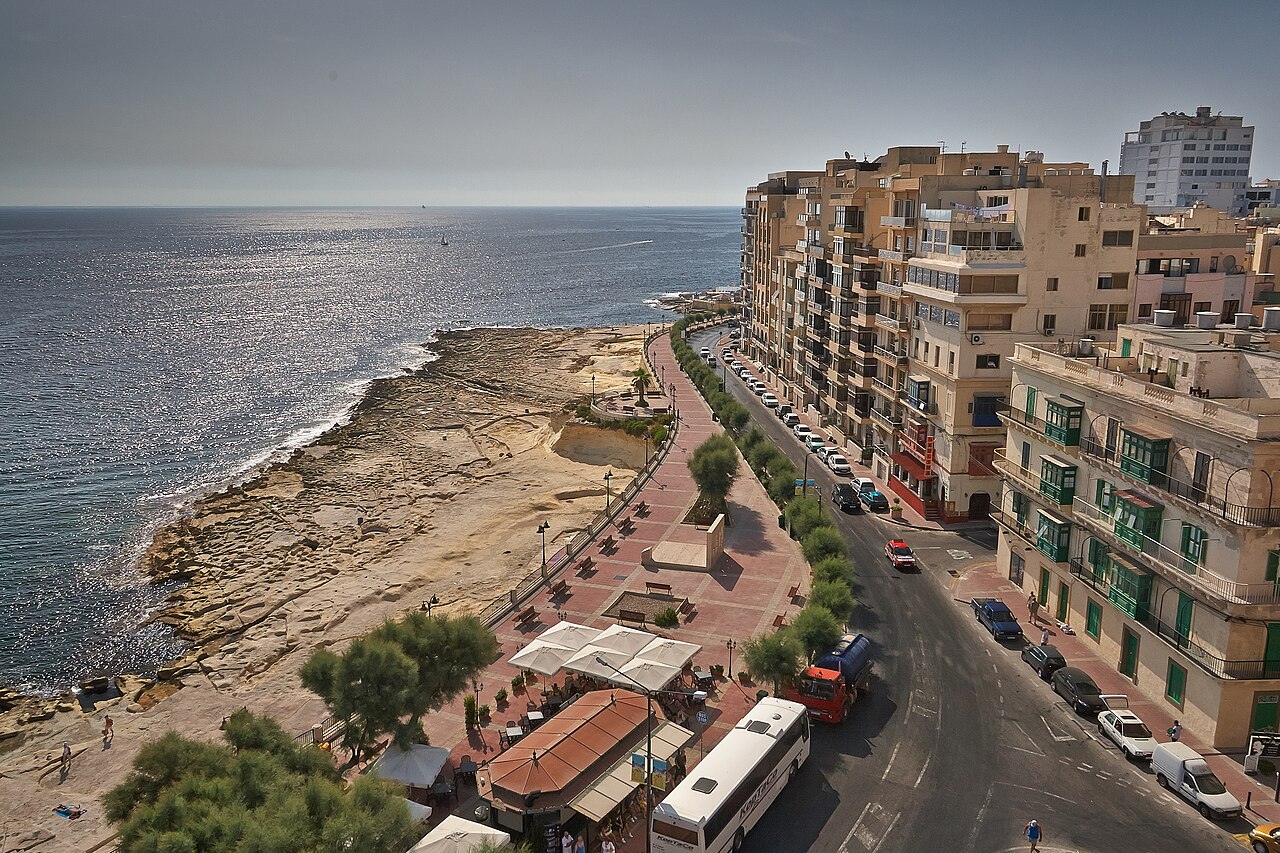
Planning authority approves Il-Fortizza microbrewery
The Planning Authority has approved restoration and adaptive-use works at il-Fortizza on Tower Road, Sliema.
Read more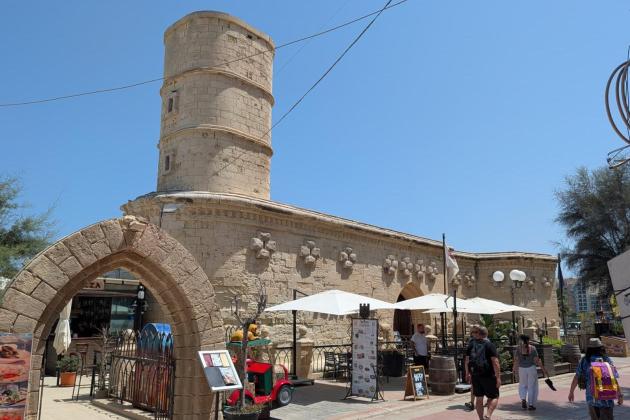
Sliema fortizza restoration and microbrewery approved
Planning Commission approves restoration of Grade 1 scheduled Point Battery in Sliema and microbrewery by UK craft beer company German Kraft.
Read more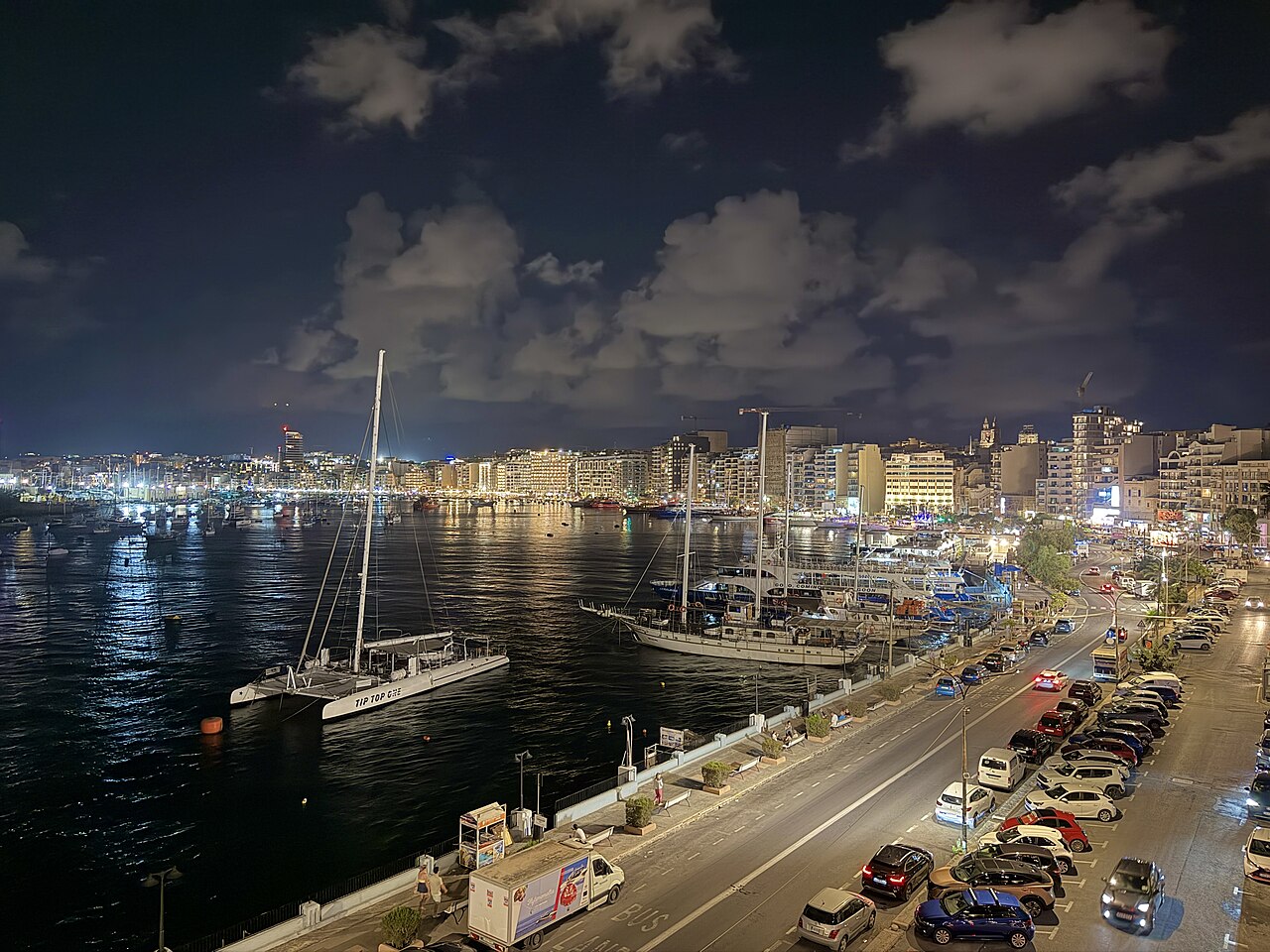
Cultural Heritage body escalates Sliema to UNESCO panel
The application was filed on 7 April by Strand Lido Ltd, Libyan Arab Maltese Holdings Company Limited (LAMHCO) and Sea Pebbles Ltd.
Read more