
PA Commission faces calls to resign over hotel

Source: Times of Malta
FAA demands PA Commission resignation following reversal of controversial 14-storey hotel permits in narrow Sliema alley.
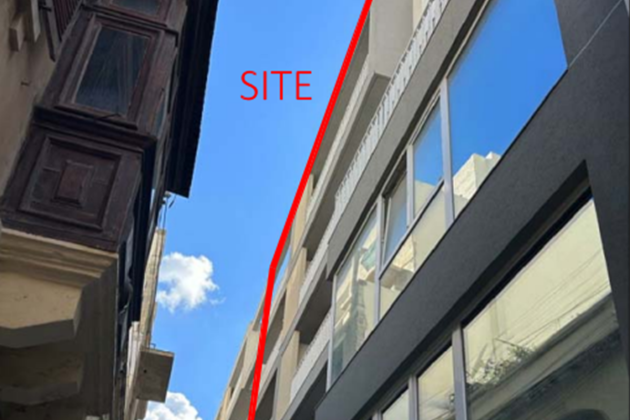
Photo: Times of Malta
The Flimkien għal Ambjent Aħjar (FAA) has demanded the resignation of the Planning Authority Commission following Thursday's reversal of permits for two towering hotel developments in Sliema. The controversial 14-storey structures were initially approved for construction in a narrow residential alley, sparking widespread opposition from local residents and environmental groups.
The original approval had generated significant concern among Sliema residents, who argued that the massive developments would be completely out of character with the surrounding neighbourhood. The narrow alley location raised particular concerns about infrastructure capacity, traffic congestion and the impact on quality of life for nearby residents. Local community groups had been vocal in their opposition, organising meetings and petitions to challenge what they viewed as inappropriate overdevelopment.
The scale of the proposed hotels – standing at 14 storeys each – would have dwarfed existing buildings in the area and fundamentally altered the streetscape of this residential quarter. Residents expressed fears about increased noise, blocked sunlight and the strain on already limited parking facilities in the densely populated seaside town.
Environmental advocacy group FAA has seized on the permit reversal as evidence of systemic failures within the Planning Authority's decision-making process. The organisation argues that such inappropriate developments should never have received initial approval, suggesting that fundamental problems exist in how applications are evaluated and approved.
The case highlights ongoing tensions between development pressures and conservation efforts in Sliema, where prime waterfront location makes it highly attractive for major tourism projects. The town has seen numerous contentious development proposals in recent years, as investors seek to capitalize on its strategic position and established tourism infrastructure.
This latest controversy adds to growing scrutiny of Malta's planning processes, particularly regarding large-scale tourism developments in established residential areas. The reversal suggests that appeals processes can still function effectively when communities mobilize against inappropriate projects, though critics argue prevention would be preferable to correction after initial approval.
The incident also reflects the challenging balance Sliema faces as it seeks to maintain its character while accommodating economic development. Local councillors and residents continue to advocate for more sustainable approaches to tourism infrastructure that respect existing community fabric while supporting the local economy.
SOURCES
Related
Related articles
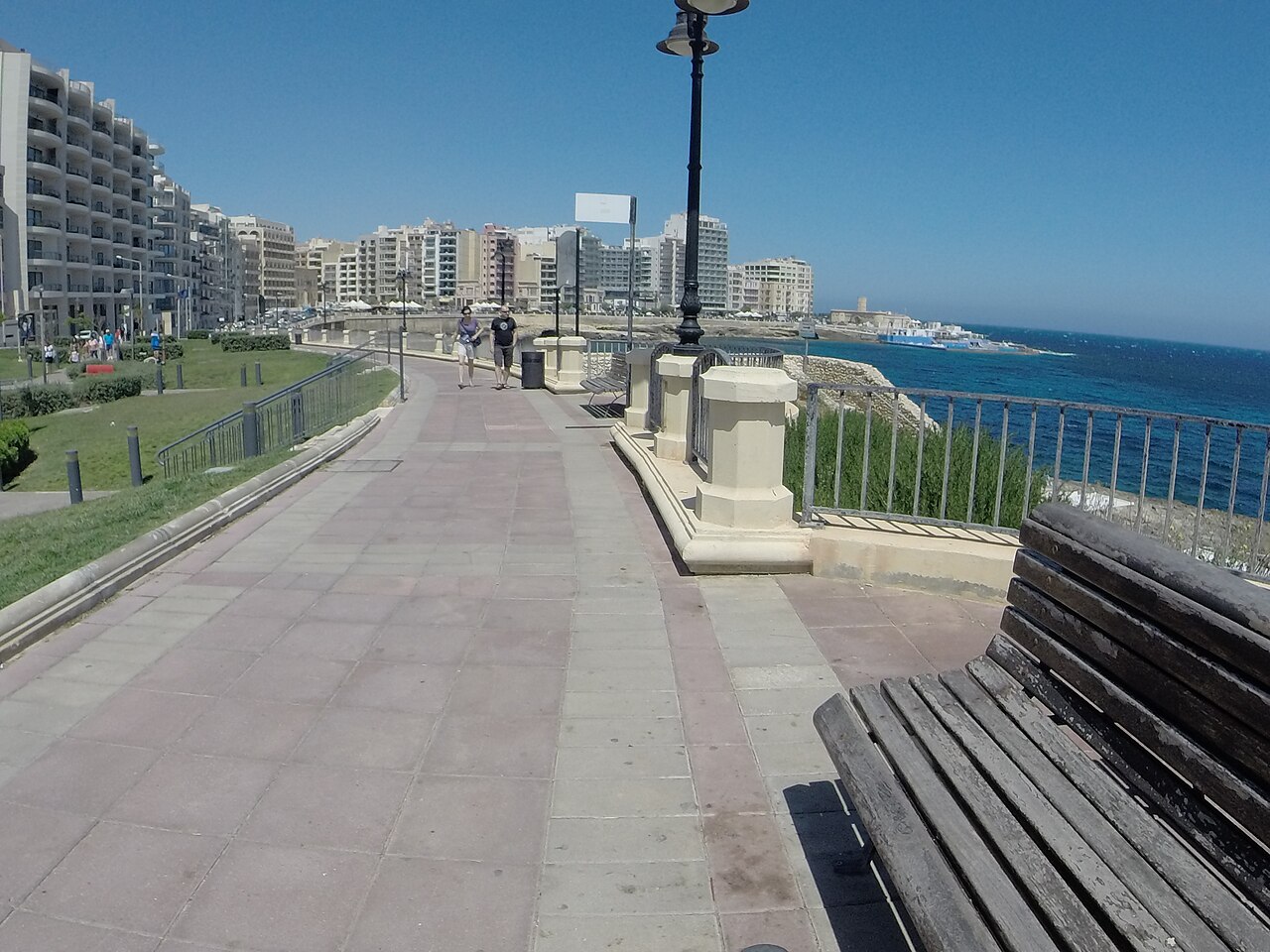
Five hotel towers proposed along Sliema's seafront
Five hotel towers have been proposed along Sliema's seafront, adding to concerns over high-rise development on Malta's most densely built coastline.
Read more
PA approves Townsquare changes, removes hotel
Planning officials classed the revisions as minor, noting they reduced the development's overall scale while increasing public open space.
Read more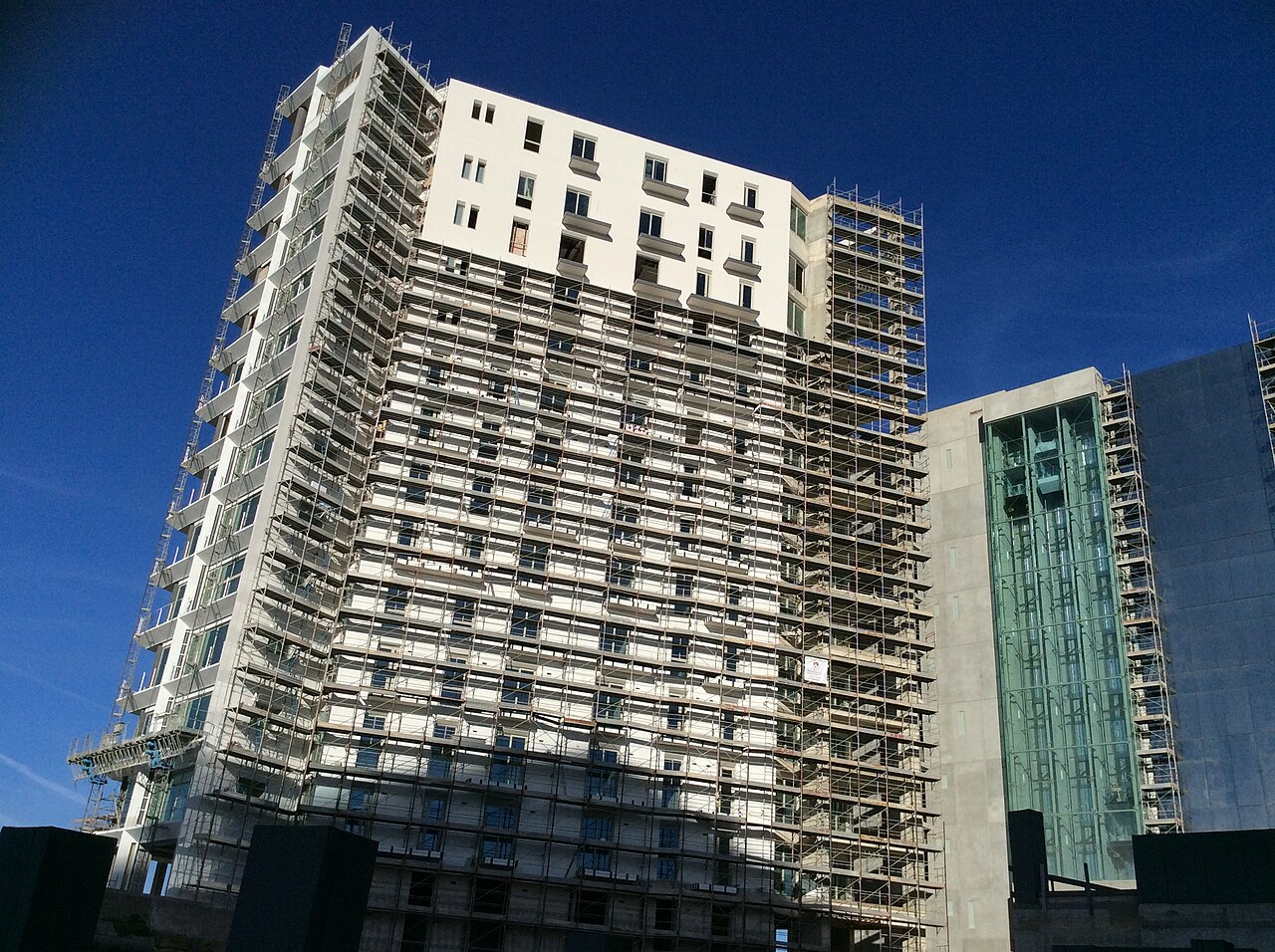
Developer seeks to sanction Sliema demolition
Carlo Stivala seeks to legitimise facade demolition and add two additional hotel floors in controversial Sliema development project.
Read more