
Iran conflict impact on Malta under analysis

Economic experts examine how escalating tensions in Iran could ripple through Malta's interconnected economy and key sectors.
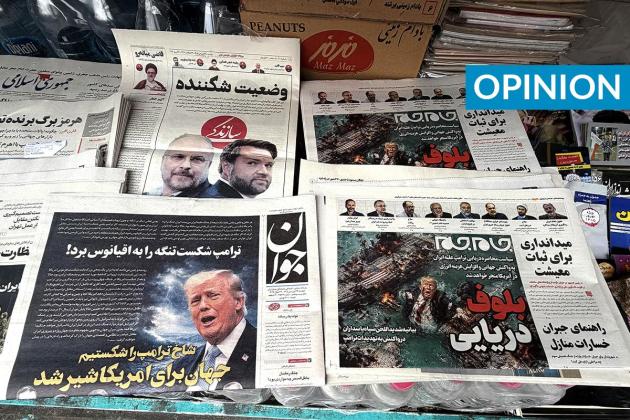 Sliema News
national
Sliema News
national
Image: Times of Malta
Economic analysts are closely monitoring how potential conflict involving Iran could create ripple effects throughout Malta's economy, despite the Mediterranean island's geographical distance from the Middle East region.
Energy and Supply Chain Vulnerabilities
Malta's heavy reliance on imported energy makes the country particularly susceptible to disruptions in global oil and gas markets. Iran's significant role in global energy production means any escalation in regional tensions could drive up fuel costs, directly impacting households and businesses across the archipelago. The resulting price increases would likely affect everything from electricity bills to transportation costs, potentially straining family budgets and business operations.
Supply chain disruptions represent another critical concern for Malta's import-dependent economy. The country sources goods from various international markets and conflict-related shipping delays or route changes through strategic waterways could affect the availability and pricing of essential commodities. This could particularly impact Malta's retail sector and manufacturing industries that depend on timely delivery of raw materials and components.
Tourism and Financial Services at Risk
Malta's crucial tourism industry faces potential headwinds from regional instability, as international travelers often become more cautious about Mediterranean destinations during periods of Middle Eastern tension. While Malta maintains its reputation as a safe destination, broader regional concerns could influence booking patterns and visitor confidence, affecting hotel occupancy rates and related service sectors.
The island's thriving financial services sector, including gaming and fintech companies, could experience indirect effects through global market volatility. Currency fluctuations, changes in international investment patterns and shifts in regulatory focus during times of geopolitical uncertainty might influence business operations and growth prospects for Malta-based financial firms.
Economic Resilience and Adaptation
Despite these potential challenges, Malta's diversified economy and strong institutional framework provide some protection against external shocks. The country's membership in the European Union offers additional economic stability and support mechanisms during turbulent periods. Local businesses and policymakers are likely monitoring developments closely to implement appropriate contingency measures should regional tensions escalate.
The interconnected nature of today's global economy means that even small island nations cannot remain completely insulated from distant conflicts, making strategic economic planning and risk assessment increasingly important for maintaining stability and growth.
Based on local reports and publicly available information.
Related
Related articles
 Sliema
national
Sliema
national
Malta records 97% humidity as haze blankets islands
Malta recorded humidity levels of 97% with hazy conditions reducing visibility across the islands as muggier weather approaches.
Read more Sliema
national
Sliema
national
Sliema and Malta Hotspots Strain Under Crowds
When a community adapts psychologically to higher crowd levels, it tends to accept the crowding itself.
Read more Sliema
national
Sliema
national
PA approves Townsquare changes, removes hotel
Planning officials classed the revisions as minor, noting they reduced the development's overall scale while increasing public open space.
Read more