
Good friday processions cancelled over weather

Strong winds and unstable conditions led to widespread cancellation of traditional Good Friday processions across the islands.
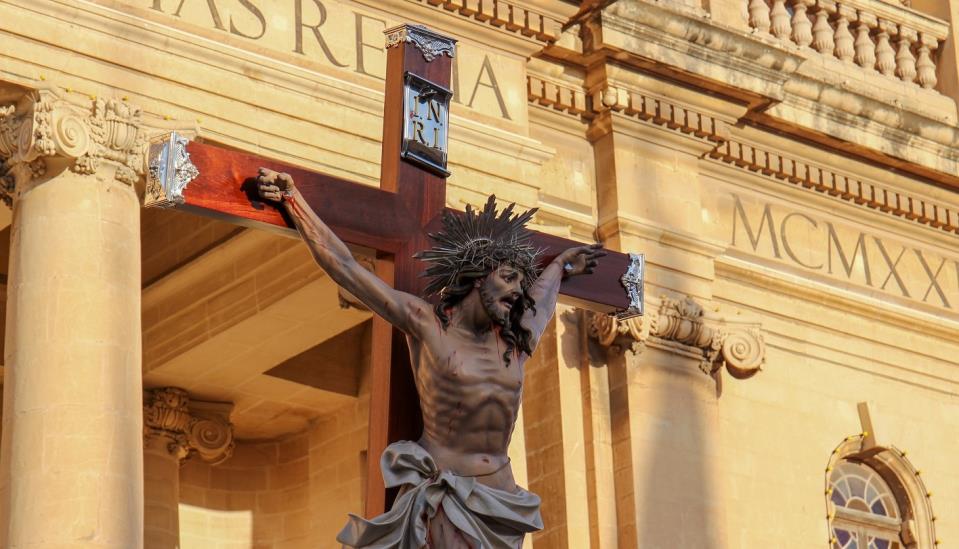
Image: The Malta Independent
Safety concerns override tradition
Severe weather conditions forced the widespread cancellation of Good Friday processions across Malta and Gozo on Friday, marking an unusual disruption to one of the islands' most significant religious observances. The decision to call off numerous processions came after meteorological warnings of strong winds and isolated showers created unsafe conditions for participants and spectators alike.
Parish communities throughout Gozo, including those in Nadur, Żebbuġ, Rabat and Xagħra, made the difficult choice to abandon their planned processions just hours before they were scheduled to commence. The yellow weather alert prompted organisers to prioritise public safety over continuing the centuries-old tradition that typically draws thousands of faithful and tourists to witness the solemn commemorations.
Impact on local communities and tourism
While Sliema's proximity to these affected areas means many residents would normally travel to witness the island's most renowned processions, the cancellations left locals and visitors with limited options for experiencing this deeply rooted Easter tradition. The disruption particularly affected the tourism sector, as Good Friday processions represent a significant draw for cultural visitors during the Holy Week period.
Several mainland parishes also faced similar challenges, with organisers in Paola choosing to move their procession indoors rather than risk outdoor conditions. The decision-making process reflected genuine concerns about participant welfare and potential damage to valuable religious statues and artefacts that form the centrepiece of these processions.
Organisational challenges and community response
Parish organisers emphasised that their decisions were driven by responsibility rather than convenience. Weather-related safety concerns included not only the risk from strong gusts that could destabilise procession elements, but also treacherous walking conditions created by earlier rainfall making traditional routes hazardous for participants carrying heavy religious displays.
The cancellations represent a rare interruption to traditions that stretch back generations, highlighting the ongoing challenge of balancing cultural preservation with contemporary safety standards. Community leaders expressed disappointment while acknowledging that protecting participants and preserving the integrity of religious artefacts took precedence over maintaining scheduled events.
Despite the widespread disruptions, some processions managed to proceed with modified arrangements, including delayed start times and abbreviated routes that avoided the most exposed areas where wind conditions posed the greatest risk.
SOURCES
Related
Related articles

Traffic sergeant jailed over flyover overtime
Norman Xuereb, the organiser of a police overtime racket tied to the Marsa flyovers, has been sentenced to five years in prison and ordered to forfeit €53,000.
Read more
Culture minister under fire over Manoel Island
Owen Bonnici will participate in televised debate addressing controversial MIDI agreement for historic Manoel Island site.
Read more
Architect cleared over bulebel wall collapse
Kamra tal-Periti concludes investigation finding no professional negligence by architect in last year's industrial estate incident.
Read more