
117 WWII explosives cleared from Malta seabed

117 WWII explosives were cleared from the seabed along the Malta–Sicily interconnector route, including artillery shells, mortars and hand grenades.
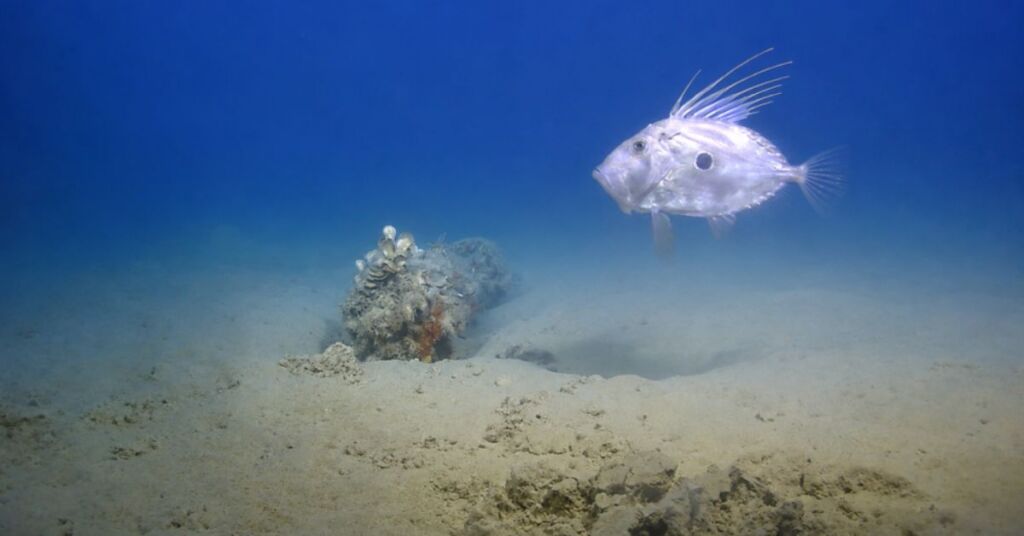
Image: Lovin Malta
One hundred and seventeen unexploded ordnance items, most of them relics of the Second World War, have been cleared from the seabed along the 99-kilometre submarine cable corridor between Malta and Sicily, Interconnect Malta has announced. Among the items recovered were artillery shells, Hedgehog anti-submarine mortars and hand grenades. With the clearance complete, IC2's submarine route has been verified and marine cable-laying operations are planned to begin later in 2025.
The final tally of 117 emerged from a staged process. A detailed marine route survey initially flagged 707 magnetic targets along the full corridor. Post-survey analysis reduced the locations requiring physical inspection to 393.
Of those, 84 were confirmed as unexploded ordnance on first examination – a volume Interconnect Malta described as significant by the standards of routine offshore surveys. The count climbed to 117 because further items were found buried beneath other objects and could only be identified once clearance teams were already working on the site. Those buried finds reflect seabed conditions more complex than the opening survey suggested: ordnance concealed under sediment or debris that masked its presence until teams intervened directly.
They also explain why the operation required a phased structure rather than a single-pass sweep. The operation relied on remotely operated vehicles and purpose-built offshore equipment, with bomb disposal specialists responsible for handling each confirmed item. The Armed Forces of Malta provided continuous coordination throughout.
Interconnect Malta CEO Ismail D'Amato said their support was essential to carrying out the works safely. Energy Minister Miriam Dalli described the completed clearance as a significant milestone for the Second Interconnector project. l.
Providing direct support. Testing of key electrical equipment for IC2 in Türkiye has also been completed, clearing two pre-laying milestones in close sequence. The Second Malta-Sicily Interconnector forms part of Malta's plans to decarbonise its energy sector by 2050.
A functioning link to Sicily would broaden the island's capacity to import electricity and reduce its reliance on locally generated power from fossil-fuel sources. For the stretch of seabed now cleared, the ordnance density – 117 confirmed items across 99 kilometres – reflects how intensively these waters were contested during the Second World War. Malta's strategic position drew sustained naval and aerial activity to the surrounding sea, leaving enough wartime ordnance on the bottom to require remotely operated vehicles, specialist equipment and explosive ordnance disposal experts before large-scale civil engineering could begin.
SOURCES
Related
Related articles
Malta third from bottom in EU research spending
Eurostat figures show Malta allocated €73.70 per person to research and development in 2025, placing it third from bottom in the EU.
Read more
PN renews calls for action as Malta's electricity crisis persists
A care home for older persons in Gżira lost power for approximately half a day, preventing residents from having meals prepared.
Read more
Malta Resuscitation Council calls for compulsory CPR
Founded in 2004, the MRC is a voluntary organisation operating under the European Resuscitation Council.
Read more