
Malta Resuscitation Council pushes CPR into schools
The Malta Resuscitation Council is calling on the government to embed CPR training in Malta's National Curriculum.
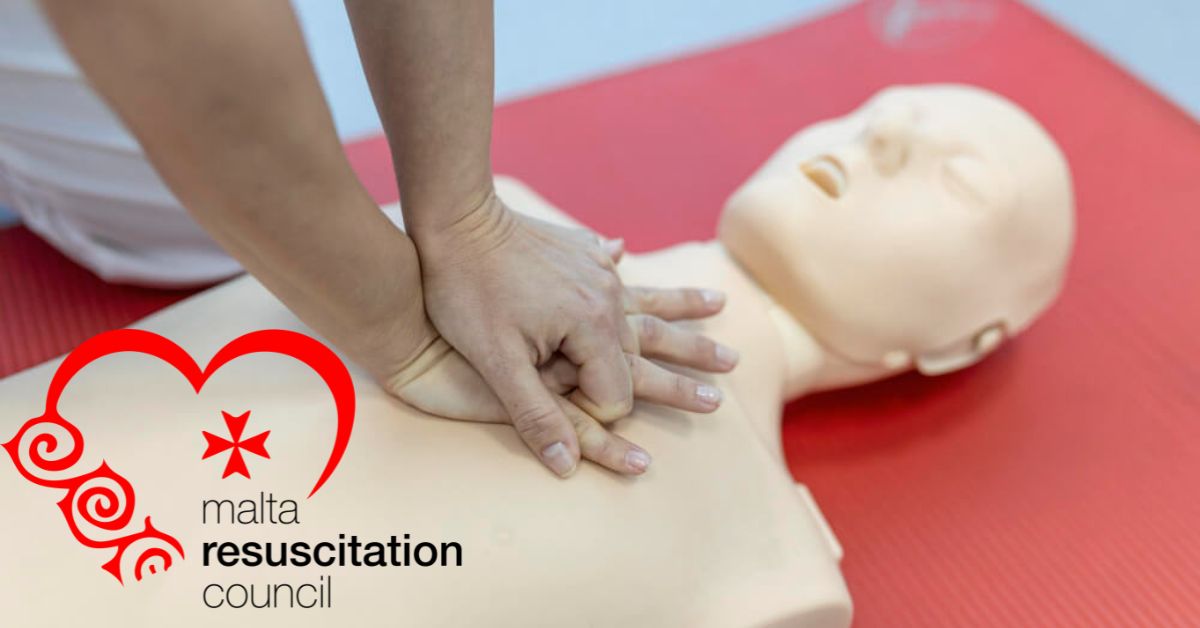
Image: Lovin Malta
The Malta Resuscitation Council is calling on the government to embed CPR training in Malta's National Curriculum. In Malta, fewer than 40% of people experiencing cardiac arrest receive CPR from bystanders. The Council warns that the conversation about CPR in schools tends to gain momentum only after lives are lost and it is pushing for structural change now rather than waiting for the next emergency to drive the issue forward.
The Council cites international evidence suggesting that nations where CPR is taught in schools have cardiac arrest survival rates two to three times higher than those where it is not – a figure it is using to press the curriculum case. "Having CPR training enshrined into the National Curriculum will guarantee Malta with generations of life-savers empowered to act promptly wherever and whenever a cardiac arrest hits, driving survival rates up," the Council stated.
During 2025, the Council partnered with the Education Health and Safety Department to conduct 88 awareness and Basic Life Support sessions in Maltese schools, engaging more than 1,900 students and 986 educators. The Council previously distributed its illustrated digital book CALL 112 FIBRILLU to every school laptop in Malta. Despite these efforts, CPR training is not presently mandated within the National Curriculum.
The European Driving Licence Directive, revised and adopted by the European Commission in November 2025, now requires new drivers to demonstrate knowledge of first aid and CPR through theory testing. Twelve EU member states already mandate that applicants complete a full Basic Life Support course prior to receiving a category B driving licence. The Council points to that trajectory as evidence that anchoring life-saving skills in education and licensing frameworks is a viable policy approach.
The Council has launched a Cardiac Arrest Survivor Network, offering peer support to both cardiac arrest survivors and bystanders who attempted CPR. In a message to those bystanders, the Council said: "Your action matters independent of the outcome. You were there to be counted."
The Council is directing the public towards existing Basic Life Support courses offered by local organisations and NGOs in the interim.
SOURCES
Related
Related articles
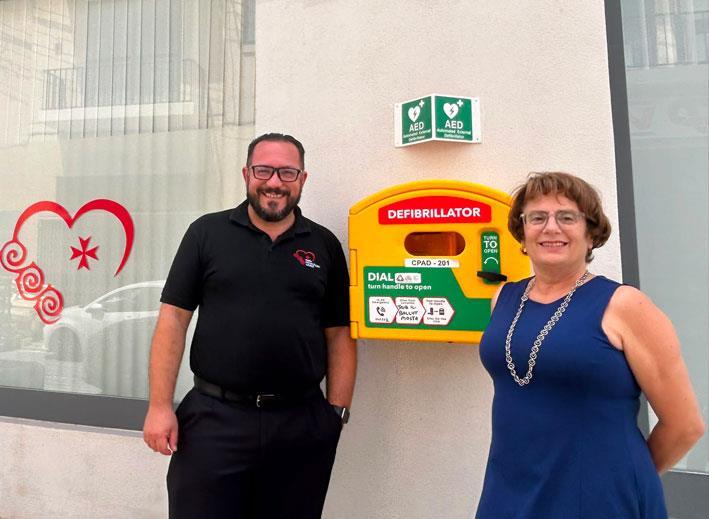
Malta Resuscitation Council calls for compulsory CPR
Founded in 2004, the MRC is a voluntary organisation operating under the European Resuscitation Council.
Read more
Malta third from bottom in EU research spending
Eurostat figures show Malta allocated €73.70 per person to research and development in 2025, placing it third from bottom in the EU.
Read more
EU report finds no progress on Malta corruption convictions
The government has not advanced reforms to the Chief Justice appointment process, which still lacks sufficient judicial involvement by European standards.
Read more