
Abela calls early election as opposition wanes
Robert Abela's decision to go to the polls early is widely attributed to the Nationalist Party's transitional weakness – but Labour's own narrowing margins add
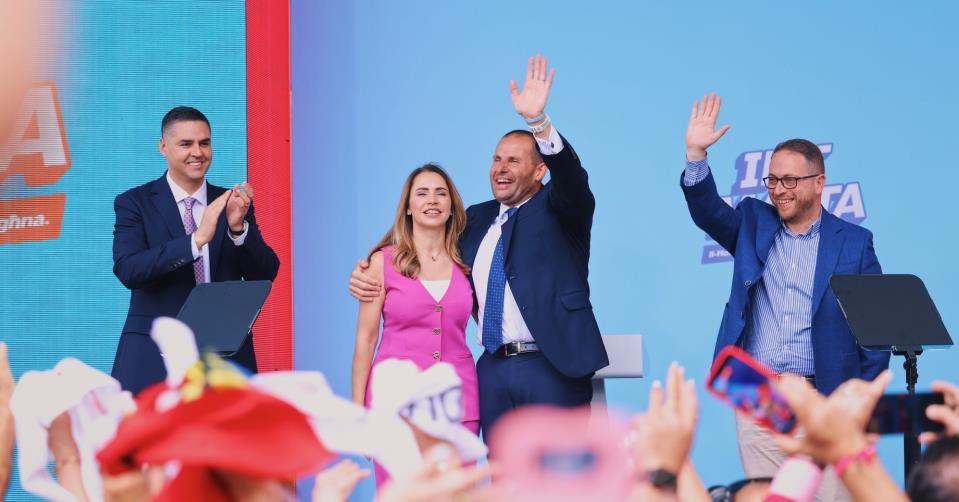
Image: The Malta Independent
Robert Abela has called this election while the Nationalist Party is at its weakest in years. The numbers are stark. Under a relatively new, young leader still finding its footing after internal transition, the opposition presents a narrower target than it has for some time.
Abela's reading is straightforward: move before it can consolidate, from the most commanding position Labour has held in recent electoral history. Abela's 2022 victory came with a margin of 39,474 votes – larger than either of Joseph Muscat's landmark wins, which registered 35,107 votes in 2013 and 35,280 in 2017. A second successive victory would hand Labour its fourth consecutive general election win, a result without precedent in Maltese political history.
The window is not guaranteed to stay open. In the European Parliament elections held roughly two years ago, Labour's electoral advantage was cut by approximately half compared to its 2022 performance. That narrowing gives Abela a concrete reason to act now.
The early call signals confidence, but also a clear-eyed reading that the numbers can travel in one direction as easily as the other. Political commentary has raised a further question about what a second term might actually look like for Abela personally. By the time Malta votes, he will have led both the Labour Party and the country for nearly six years and five months.
Muscat's tenure ran to six years and ten months before his departure under sustained pressure linked to major scandals and public demonstrations in Valletta. Abela's time in office has included ministerial resignations, serious governance criticisms and the management of a pandemic, but it has not been defined by that same scale of rolling political crisis.
Some analysts have suggested that a voluntary departure shortly after securing a second term would represent rational career management rather than a forced exit – a scenario the article presents as unspoken in official Labour circles and unsupported by any named source. If succession ever became a live question, two names recur in political commentary: Ian Borg and Alex Agius Saliba, both Labour deputy leaders.
Neither has publicly declared any ambition in that direction. Their visibility in the frame reflects Labour's depth of leadership options, which analysts have drawn into contrast with the Nationalist Party's current transitional state. On the economic picture, analysts have characterised Malta's debt-to-GDP ratio as still sitting below EU thresholds, with the deficit described as broadly under control despite rising debt levels over Abela's tenure.
Population growth and environmental strain weigh on structural planning, alongside continuing concerns about governance and the rule of law – pressures any incoming government would inherit. Abela is not waiting for a favourable moment to materialise. He is engineering one, using the Nationalist Party's current weakness as his opening.
Whether the margin he wins by narrows, holds or expands will set the terms for whatever comes next, including the question of who eventually leads Labour into a fifth successive campaign.
SOURCES
Related
Related articles
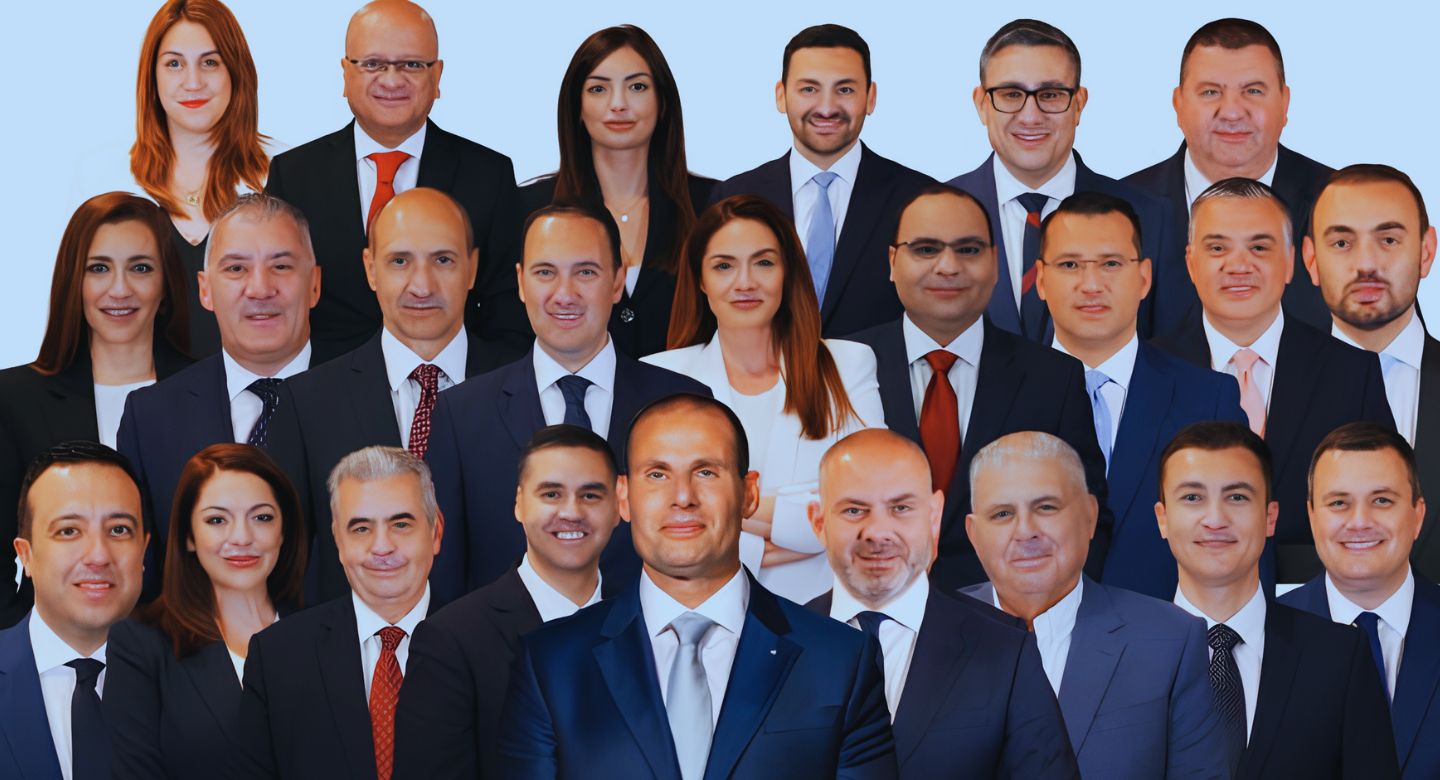
Abela's 20-minister cabinet biggest in history
Robert Abela has formed a 20-minister Cabinet after the 2026 election, with more than half of Labour's parliamentary group now holding ministerial office.
Read more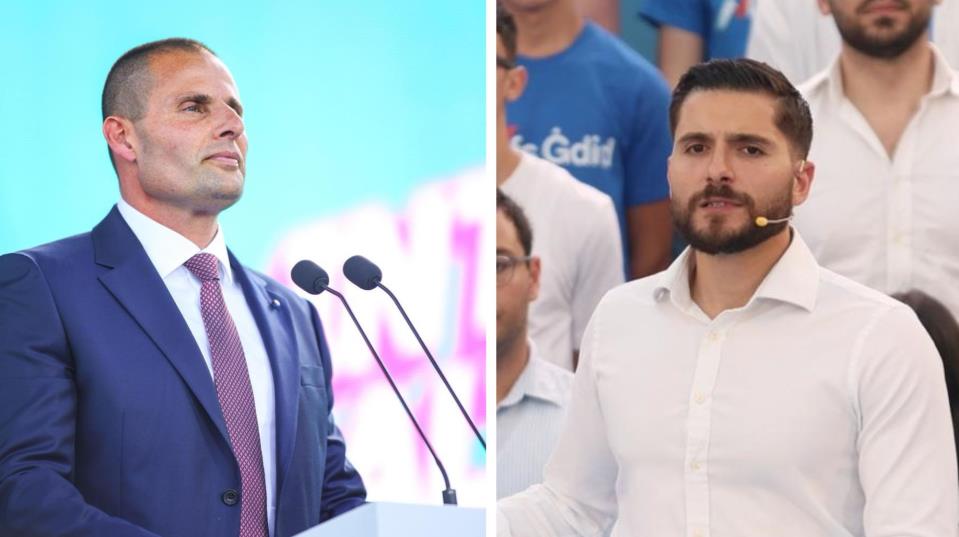
Two diagnoses, one Malta: Abela and borg clash on day 20
Day 20 of Malta's election campaign: Robert Abela leans on Labour's record while Alex Borg pitches a national reset, exposing two starkly different diagnoses for the country's future.
Read more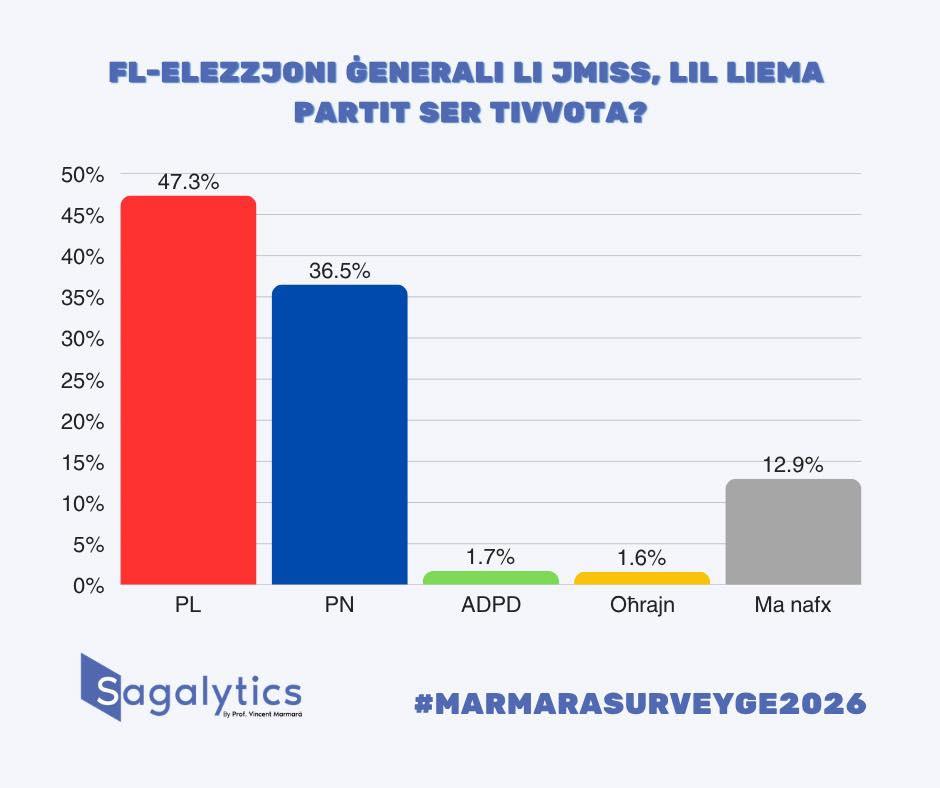
Undecided voters key as Labour lead at 29,000
Vincent Marmarà's second campaign survey shows Labour frozen at 53.1% and PN slipping to 42.6%, while 36,000 undecided votes remain in play.
Read more