
Labour pledges national park for Manoel Island

Source: The Malta Independent
Robert Abela pledged national park status for Manoel Island and Fort Tigné, with local plan changes to block further development, if Labour won on 30 May.
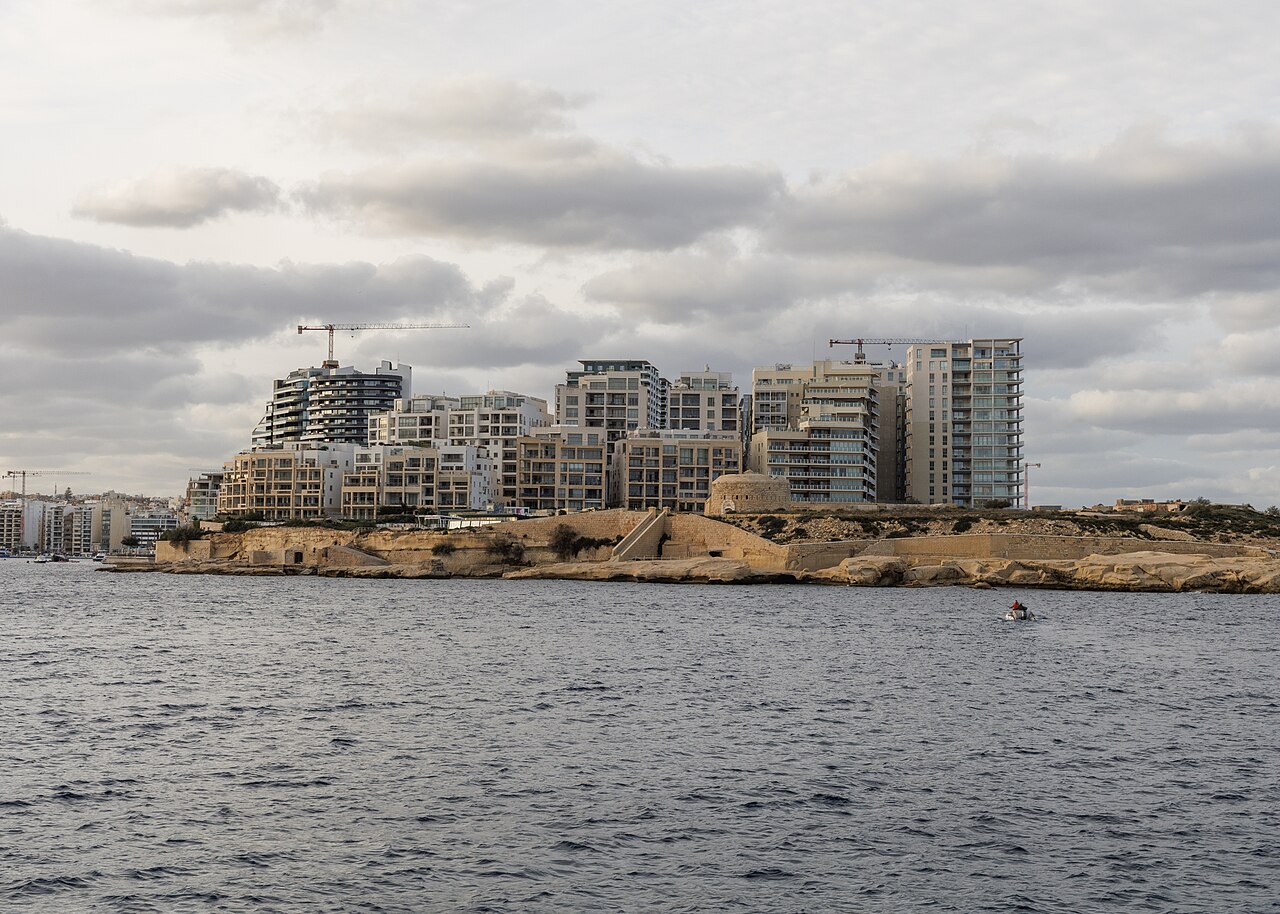
Prime Minister Robert Abela used a Wednesday campaign event to lay out Labour's environmental and infrastructure agenda ahead of the election, anchoring the announcement around a pledge that Manoel Island and Fort Tigné would be converted into a national park and returned to public use. Abela said an agreement has been sealed to bring both sites back into public hands, describing the move as the fulfilment of a long-held ambition for the Maltese and Gozitan public.
No counterparty to that agreement was named in Wednesday's announcement. A future Labour government would amend the local plan to rule out any further development on Manoel Island, with the area – along with Fort Tigné – to be designated as a national park covering its natural character, shoreline and historical fabric. National parks at White Rocks and Fort Campbell were also named as legislative priorities if Labour is re-elected.
The broader land-use pledges included a commitment that public land within development zones would no longer be handed over for speculative projects and that Labour would introduce legal amendments aimed at protecting parks and gardens created in recent years from future construction. Abela argued that Malta is still dealing with consequences of the 2006 extension of development boundaries carried out by a previous Nationalist administration, a political claim he presented as context for Labour's approach.
Afforestation efforts during the current legislature reached approximately 60,000 trees planted. Former quarry land at San Niklaw in Siġġiewi would become a woodland of more than 100,000 square metres, with walking paths and recreational facilities, if Labour returns to government. Restoration works are also planned along Wied Blandun, Wied il-Qlejgħa and Wied il-Għasel.
Separately, planned green space expansions were listed for Wied Inċita, Bengħajsa Park and Salina Park, while a new 40,000-square-metre green area in Fgura would be linked to San Klement Park in Żabbar. The final phase of works at Ta' Qali National Park would go ahead, a former recycling plant site in Marsaskala covering nearly 24,000 square metres would be converted into open space and a new St Patrick's Park would be created in Pembroke.
The area around Fortizza delle Grazie in Xgħajra would also be opened to the public. Work is already under way at the Pinetum Gardens and permits have been issued for regeneration at the Milorda Gardens, with efforts continuing to link gardens in Floriana and Pietà through a wider green network. Waste management featured prominently in the package.
A new €75 million organic waste plant would convert organic material into renewable energy and compost. A separate waste-to-energy stream would process 192,000 tonnes of non-recyclable waste. A further facility within the Ecohive complex would handle bulky waste delivered by open-top skip, targeting around 50,000 tonnes a year.
On water, Abela pledged continued investment in reverse osmosis plants and AI-assisted systems to reduce dependence on groundwater, including a new plant at Ħal Far to strengthen potable water production in the south. A pilot project would extract magnesium from the brine produced during desalination and sell it commercially. The renewable energy commitments included a target of 25% of Malta's energy from renewable sources by 2030, with offshore wind farm projects also in the pipeline.
A photovoltaic scheme targeting families in apartments without roof access would enable around 500 households to purchase solar generation equipment installed on Water Services Corporation facilities. An energy-sharing mechanism would let households unable to invest directly benefit from surplus renewable energy generated by others in the scheme. Labour also said it would consider legal amendments to provide compensation to owners of rooftop solar panels whose output is reduced by nearby construction, though no existing legal framework for such a mechanism was cited in the announcement.
SOURCES
Related
Related articles
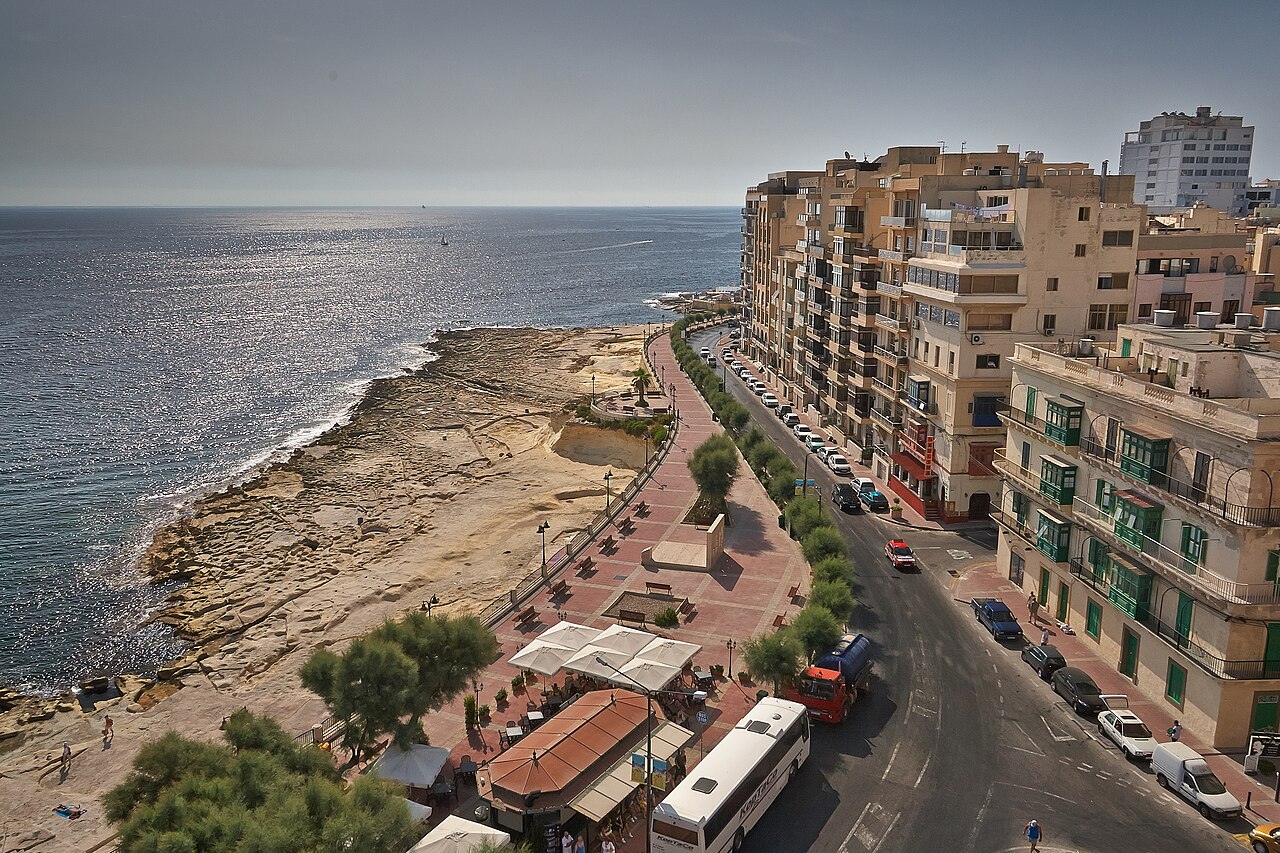
Planning authority approves Il-Fortizza microbrewery
The Planning Authority has approved restoration and adaptive-use works at il-Fortizza on Tower Road, Sliema.
Read more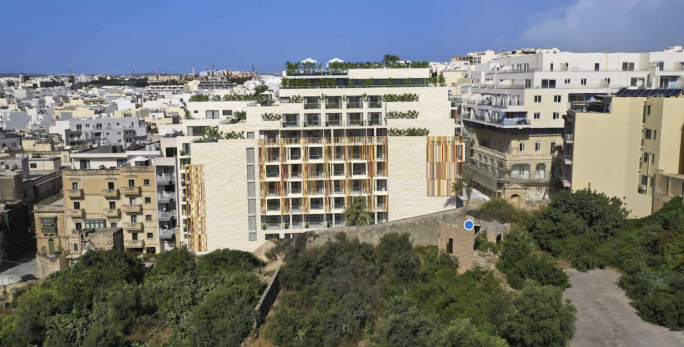
Sliema hostel plan resubmitted after court revoked hotel
The Malta Tourism Authority issued a Tourism Compliance Certificate on 17 February 2025.
Read more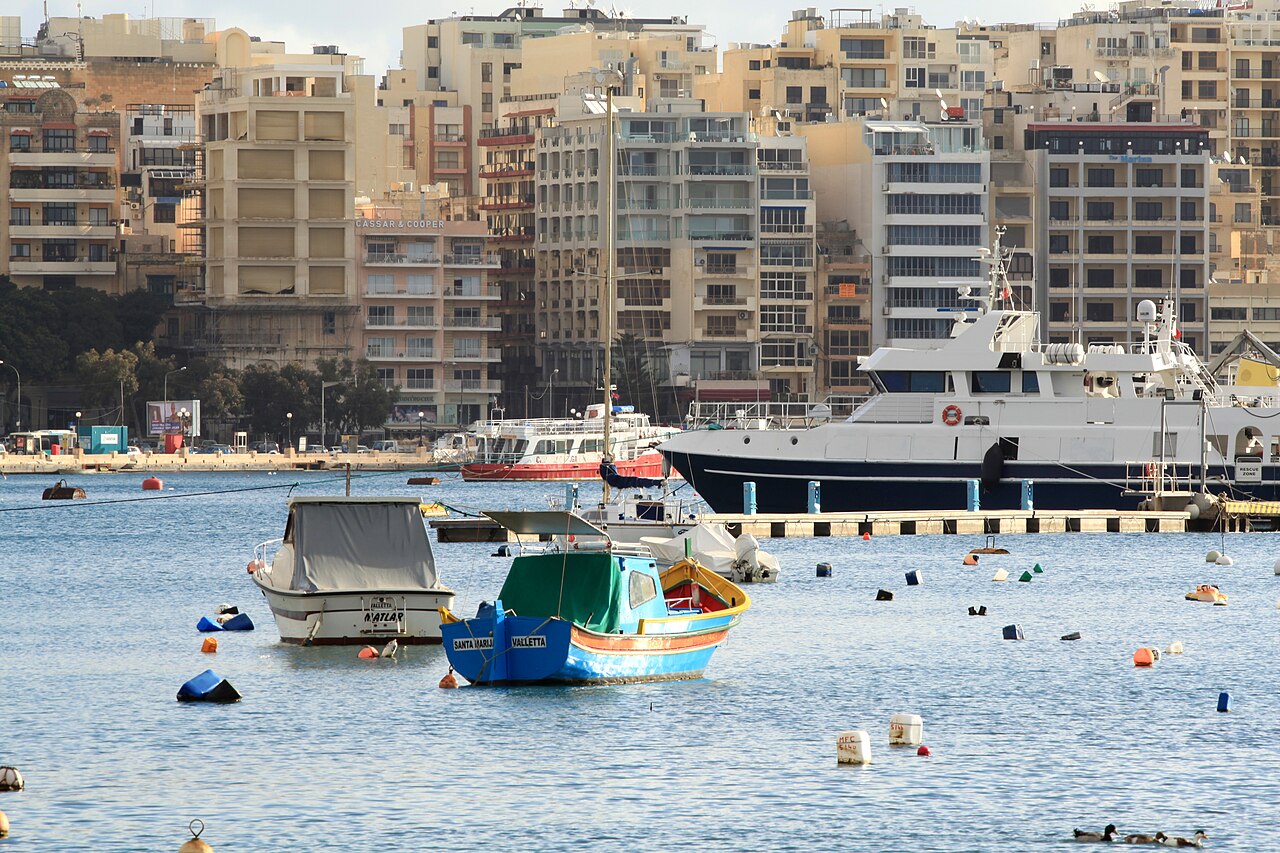
Two rescued after boat sinks off Sliema coast in Malta
Two people were rescued off the Sliema coast after their boat sank, with an AFM vessel recovering the pair and transferring them to Mater Dei Hospital.
Read more