
State to pay €272,000 in Sliema rent-law case

Malta's constitutional court has ordered the State to pay €272,000 to a Sliema family, ruling the island's rent-protection laws breached their property rights.
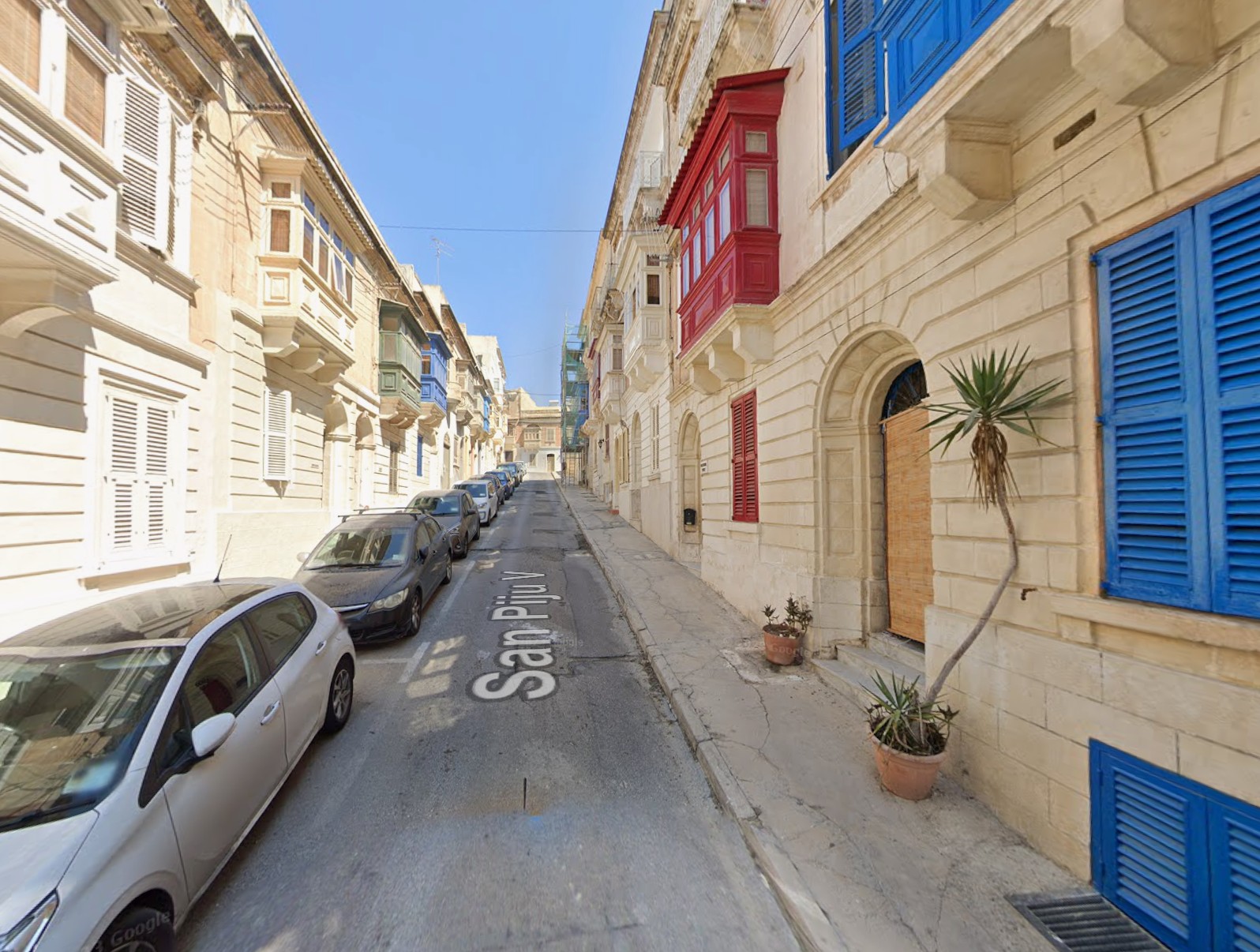
Image: Newsbook
The State Advocate has been ordered to pay €272,000 in compensation to the Falzon family, owners of a commercial property at 71 St Pius V Street, Sliema, after Judge Francesco Depasquale, presiding over the First Hall of the Civil Court in its Constitutional Jurisdiction, ruled last week that Malta's rent-protection legislation violated their right to peaceful enjoyment of property under European human rights law. The judgement also allows the family to reclaim the premises from long-term tenant Carmelo Borg.
Borg has run the property as a grocery since his father was granted the lease in 1980 for €233 annually. The property carries a perpetual ground rent of €4.08 per year. Legislative amendments permitted only minor increases, leaving the annual rent at €696.56 by 2024.
A court-appointed architect valued the property's free-market worth at €420,000 and estimated it could command up to €29,400 annually in open-market rent. The Falzon family argued they were barred from terminating the lease or raising rent to market levels under Chapter 69 of the Laws of Malta. Judge Depasquale agreed, finding the legislation placed a disproportionate burden on the owners and violated Article 1 of the First Protocol of the European Convention on Human Rights.
State interference had failed to strike a fair balance between protecting commercial tenants and owners' property rights. Compensation covers a 36-year loss period from June 1990 to June 2026, derived from lost rental income based on the architect's valuations. The figure was discounted by 20% to reflect the social purpose behind the rent laws and by a further 20% to account for market uncertainties.
From that total, the court deducted €11,243 already paid by Borg in rent. A further €10,800 in non-pecuniary damages was awarded for moral suffering and legal frustration. Borg was exonerated from paying damages or court costs.
Judge Depasquale found that Borg had acted entirely within the system established by the State and that responsibility for remedying the human rights breach rests with the State alone.
The ruling adds to a growing line of Maltese constitutional judgments in which owners of properties held under decades-old protected leases have successfully argued that the country's rent-control regime breaches Article 1 of the First Protocol of the European Convention on Human Rights. Courts have repeatedly found that leases frozen at pre-reform rates – as here, where the shop was let for €696.56 a year against an open-market value estimated at up to €29,400 – impose a disproportionate burden on owners, leaving the State facing a mounting bill for compensation as similar cases work their way through the courts.
Sliema sits at the centre of many of these property disputes. The town's tight housing market and its tangle of long-standing lease arrangements have surfaced repeatedly, from the pressures documented in Malta's wider housing affordability crisis to unusual low-rent deals such as the 45-year boathouse concession granted at €489 a year. For owners still bound by pre-reform leases, the Falzon judgement is the clearest signal yet that the constitutional courts will value their properties at market rates when weighing compensation.
SOURCES
Related
Related articles
Sliema remains Malta's most expensive property locality
Sliema holds its position as Malta's priciest property market, with the price gap between it and Gozo continuing to widen.
Read more
Sliema penthouse becomes Malta's top-rated airbnb
Barnes converted the newly built property into a two-bedroom apartment with an open living area across 150 square metres.
Read more
Quarry operators seek up to 83% tariff rise
Quarry operators want dumping fees raised from €12 to €20–€22 per tonne. Weeks of talks between the industry and government have yet to produce a resolution.
Read more