
PN's borg urges vocational and skills revival

PN leader Alex Borg pledges to revive Malta's trade centres and add AI, data science and maritime courses at secondary level, arguing the current curriculum leaves students underprepared.
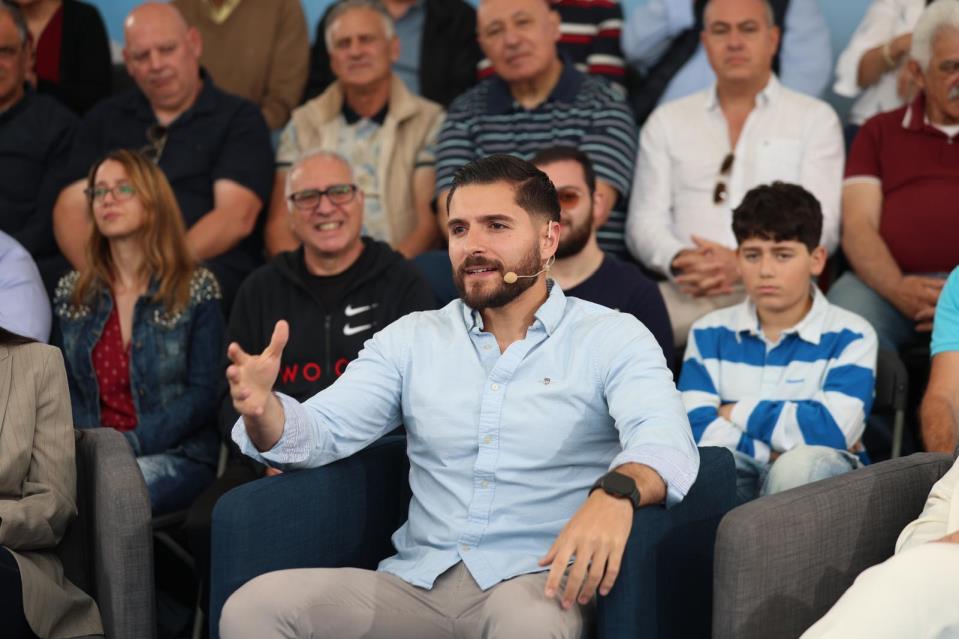
Image: The Malta Independent
Nationalist Party leader Alex Borg used a political discussion event in Żebbuġ this week to set out what he framed as a fundamental rethink of Maltese education, arguing that the current curriculum leans too heavily on academic theory and leaves students underprepared on life skills, social development and digital competencies. His proposed remedies include reviving trade centres with hands-on vocational pathways and embedding courses in artificial intelligence, data science, new-space and maritime industries at secondary school and vocational level.
He described the announcements as advance planks of a wider PN programme expected to be published later in the same week. "We are encouraging more young people to enter the education system so they can become autonomous and resilient in their future lives," Borg said. On vocational training, Borg pledged to reintroduce trade centres in both Maltese and Gozitan localities as dedicated pathways outside the academic stream, pointing to what he described as the PN's track record in the sector – past investment in new school buildings, interactive whiteboards, MCAST (the Malta College of Arts, Science and Technology), the University of Malta and international training collaborations that linked education with industry.
The aim is to give young people a credible skilled-trades route that does not require academic qualifications to access. The curriculum commitments went further. Borg named AI, data science, new-space and maritime industries as specific subject areas to be introduced at secondary and vocational level, positioning them as direct responses to where Malta's economy is heading.
He also pledged one new school per year under a PN government, backed by a significant increase in education infrastructure spending over a five-year legislature; Borg did not specify a euro figure for that commitment. Teacher pay and support staffing were addressed directly. Borg said a PN government would sit down with social partners to negotiate a new financial package for both teachers and Learning Support Educators.
He identified a significant shortage of LSEs in Maltese schools and committed to ensuring they are properly equipped and trained, with particular emphasis on supporting neurodivergent students. Alongside that, he pledged to introduce multi-sensory rooms in schools – dedicated spaces for sensory regulation for neurodivergent students who need additional support. Borg linked the multi-sensory rooms proposal to a previously announced PN initiative to provide calming rooms on the Gozo Channel ferry for parents of neurodivergent children travelling between the islands, presenting both as part of the same inclusion strategy rather than standalone measures.
He also argued that sport should be treated as integral to student development rather than an optional supplement and called for closer collaboration between schools and sporting structures to support educational outcomes and mental wellbeing. He restated an earlier PN pledge to increase student stipends by 25%. Borg closed with a direct response to what he described as unfavourable polling for his party.
"We will not let any survey discourage us and we will keep rolling up our sleeves. We are with you, and together we will give our country a new breath," he said.
SOURCES
Related
Related articles

Malta Chamber calls for traffic reform with 10-point plan
The Chamber argued that disincentives must accompany positive incentives if private car dependency is to fall.
Read more
Route 212 to run every 15 minutes this july
Route 212 will run every 15 minutes this July under a summer service upgrade, with the first phase taking effect on Saturday 13 June 2026.
Read more
Insurance sector urges fresh talks on equality bill
The IAM issued a formal statement on 22 July 2026 expressing concern that the Bill is being fast-tracked without renewed consultation with insurers.
Read more