
Qormi candidate puts street woes in PN pitch
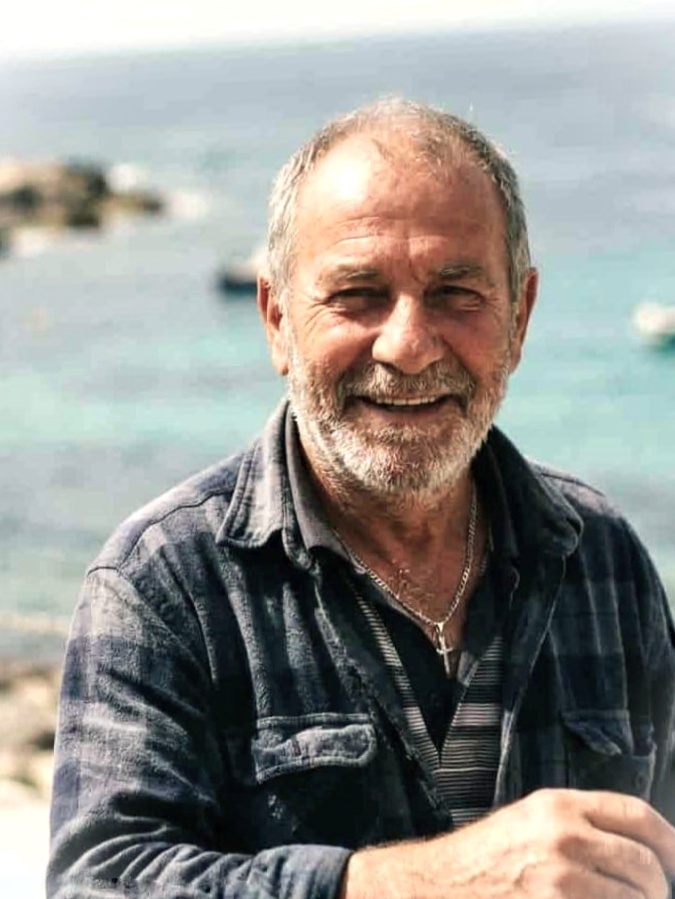
PN District 6 candidate Annabelle Cilia argues that blocked entrances, traffic and construction chaos in Qormi show Malta's growth is not reaching residents.
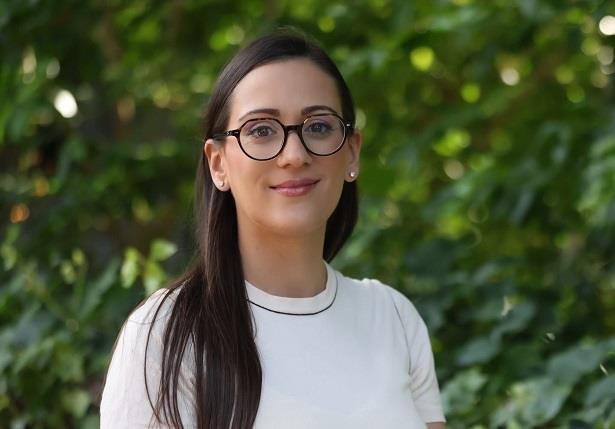
Image: The Malta Independent
Annabelle Cilia, the Nationalist Party candidate contesting Malta's sixth electoral district, is running on a platform that does not lead with economic metrics. Her pitch is simpler and, she argues, more honest: economic growth is happening, but it is not making people's lives better. "We should be spending time with our friends, with our families, doing things we love," Cilia said.
Instead, she describes modern Maltese life as a kind of haze – repetitive, draining and short on meaning. Her concerns are both national and local. At the national level, she has focused heavily on brain drain, parental leave and what she sees as the PN's underappreciated policy output.
At the district level, she is fielding complaints from Qormi residents about ongoing construction works that have left dirt and dust uncleaned, blocked building entrances and produced no clear timeline for completion. On brain drain, Cilia argues the trend should not be dismissed as a lifestyle choice by young Maltese workers, but understood as a failure to retain people in whom the country has already invested. She links that loss, at least in part, to the deterioration in daily quality of life caused by constant construction and digging.
Parental leave is among her most specific policy commitments. Cilia advocates for a combined entitlement of one full year for both parents together. She draws on her own experience: after the birth of her daughter, she took unpaid leave because she was not ready to return to work after the standard four months.
She acknowledges that the government has introduced measures such as reduced taxes for families, but argues they fall short of what parents actually need. Cilia said the early years of parenthood are especially important. On the PN itself, she credits party leader Alex Borg with raising the party's visibility and improving its public presence.
She also makes a pointed claim: that some PN policy proposals have been adopted by the government without the party receiving acknowledgment for them. Whether that reflects genuine policy influence or parallel thinking is not examined in her account, but she uses it to reinforce her description of the PN as an "alternative government" rather than simply an opposition – one already producing workable proposals, not waiting for power to start.
Her diagnosis of the PN's main weakness is not its policy content but its ability to make those policies stick in the public mind. Winning the next election, she adds, is not the point in itself. Implementing concrete proposals is.
In District 6, the grievances she hears go beyond the Qormi construction disruption. Traffic congestion and the air pollution it generates are persistent complaints. So is accessibility: Cilia, speaking from experience as a parent with a pushchair, describes streets that are difficult to navigate for anyone with limited mobility – a problem that affects the elderly as much as young families.
Children's play areas, she notes, are often positioned close to busy roads, which she reads as evidence of planning that has not thought seriously about how people actually live. Her concern about Qormi is partly cultural as well as practical. The locality risks becoming a through-route rather than a community, she argues, with traffic and construction grinding away at its identity and history.
That distinction matters to her. She does not oppose development outright, but says Malta lacks a coherent long-term planning strategy and that much of what gets built is short-term and fragmented. Asked to square the tension between environmental protection and economic growth, Cilia declined to offer a clean answer.
There is, she said, "no black or white answer" – growth is necessary, but not indefinitely at the expense of quality of life. On the parliamentary gender-corrective mechanism, which was used for the first time at the previous general election, Cilia is candid about her ambivalence. She is personally against such mechanisms in principle, but accepts their necessity given the gender imbalance that existed before and believes that if they are in place they should at least be used effectively.
She is equally candid about the texture of political life online. Social media pressure on politicians, she said, can be "nasty" and is emotionally difficult at times. She draws a distinction between criticism she considers legitimate and personal attacks she does not – though she did not suggest either is going away.
SOURCES
Related
Related articles
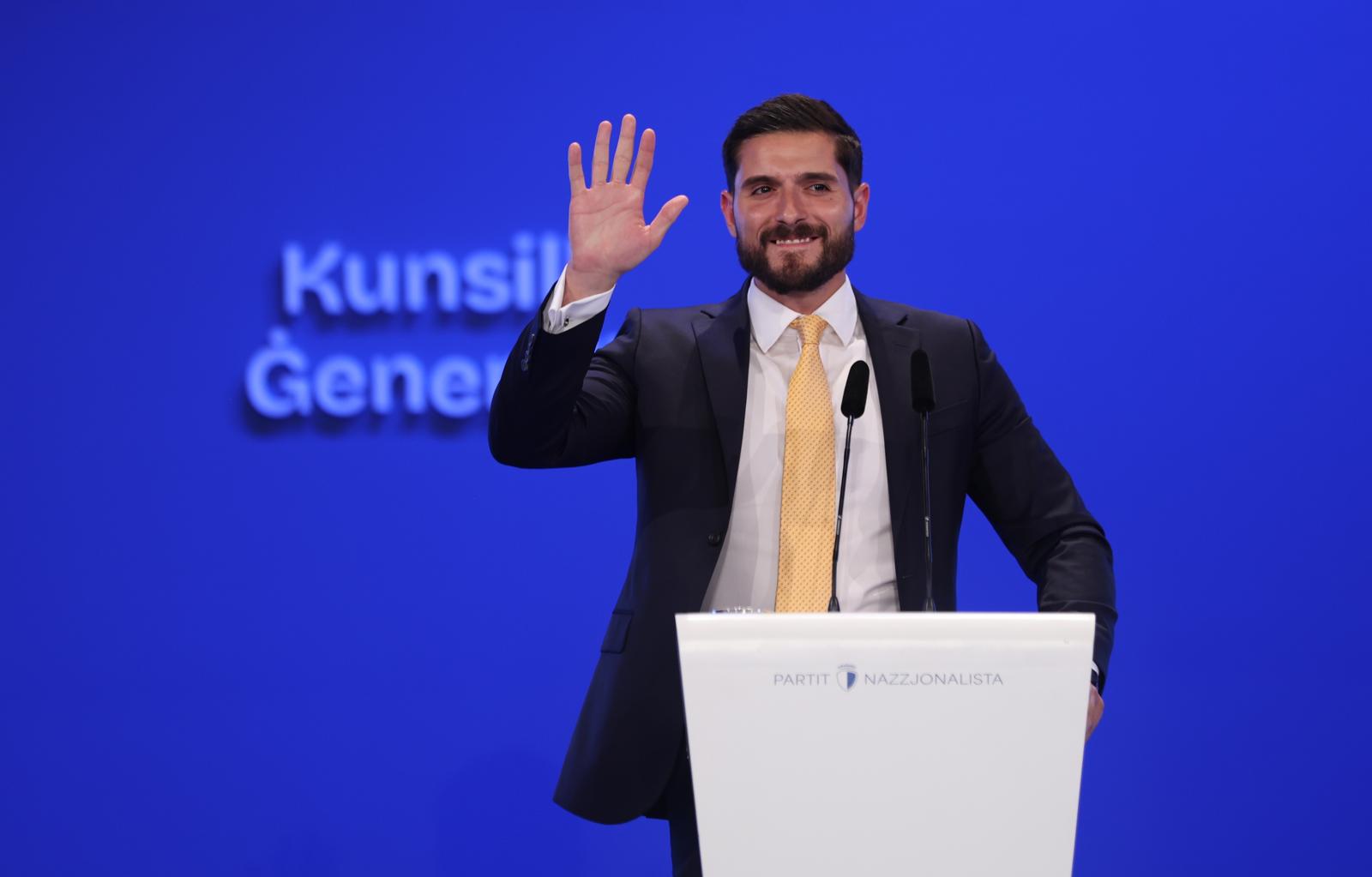
Alex borg only candidate in PN leadership race
Alex Borg was the sole candidate to submit a declaration of interest for the Nationalist Party leadership post when the nomination period closed on 1 July 2026.
Read more
Borg apologises, pledges €350 m Gozo Hospital
PN leader Alex Borg apologised for the party's record in government at a Munxar rally before unveiling a €350 million, 400-bed Gozo hospital pledge and harbour, ferry and policing commitments.
Read more
PN renews calls for action as Malta's electricity crisis persists
A care home for older persons in Gżira lost power for approximately half a day, preventing residents from having meals prepared.
Read more