
Repubblika opposes AFM deployment to Swieqi alongside police
The group nonetheless maintained that maintaining public order in normal circumstances is the responsibility of the Police Force, not the military.
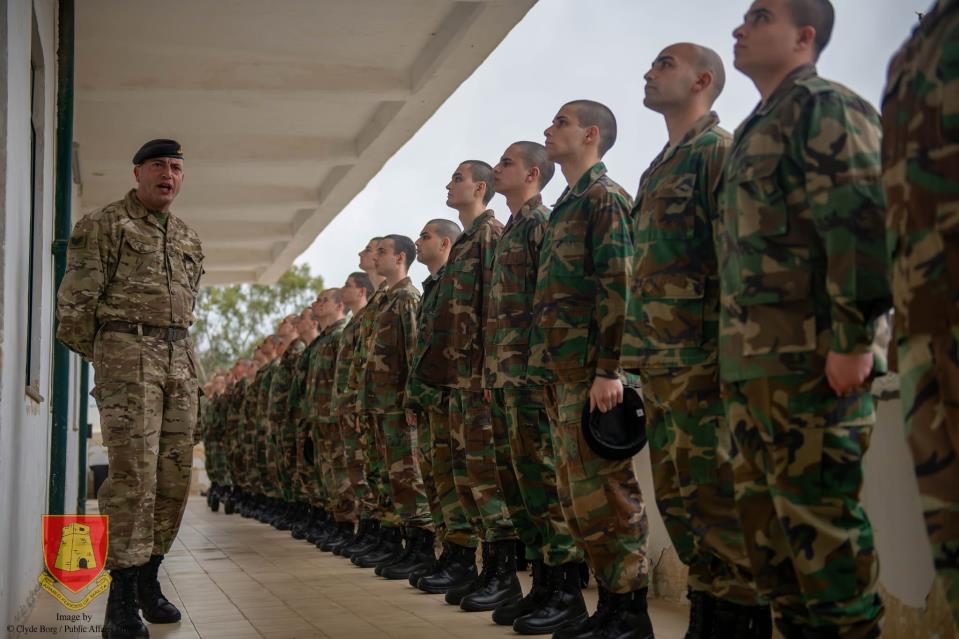
Image: The Malta Independent
Armed Forces of Malta (AFM) soldiers have been deployed in Swieqi alongside the police to deter anti-social behaviour, prompting a public statement from NGO Repubblika criticising the decision and demanding answers from the Home Affairs Ministry. Repubblika said it understands the frustration of Swieqi and neighbouring community residents who have endured persistent noise, vandalism, littering, drunken behaviour and other disturbances linked particularly to short-let accommodation.
The group nonetheless maintained that maintaining public order in normal circumstances is the responsibility of the Police Force, not the military. "Soldiers are trained and organised for a different purpose," the statement read. "The regular use of military personnel to perform policing duties on the streets should therefore be exceptional, demonstrably necessary, and subject to clear safeguards and public scrutiny."
Repubblika noted that Malta's laws grant AFM members considerable powers when assigned patrol, guard, security or criminal-offence-related duties and on that basis called on the Home Affairs Ministry to clarify the legal and operational foundation for the deployment. The NGO posed a series of specific questions: what powers the deployed soldiers have been authorised to exercise; what rules govern their interactions with private individuals; what training they have received for public order duties; whether they are armed and, if so, under what rules; who they are accountable to when working alongside police; why the police has been unable to provide sufficient personnel; and whether the deployment is temporary and confined to Swieqi or may be extended to other localities.
Repubblika attributed the disorder to accumulated policy failures rather than a sudden security emergency. "They are the consequence of failures in public policy and enforcement that have accumulated over time: insufficient police resources, weak regulation of short-let accommodation, excessive pressure on residential communities, and a tourism model that concentrates large numbers of visitors in areas that were never designed to accommodate them in this way," the statement said.
The NGO argued that the distinction between police and military exists for a reason. "It should not be allowed gradually to blur because chronic failures in public policy and police resourcing make military deployment appear convenient." Its stated long-term solution is a civilian police force with adequate resources and accountability, effective regulation and enforcement and policy that addresses the root causes of disorder.
"Soldiers should not become a substitute for all of this," Repubblika concluded. Home Affairs Minister Glenn Bedingfield has been attributed with ordering the deployment, though that attribution comes from The Maltese Herald and is not confirmed by the primary reporting. The government has not publicly responded to Repubblika's questions.
Swieqi local councillors reportedly welcomed the military deployment decision.
SOURCES
Related
Related articles
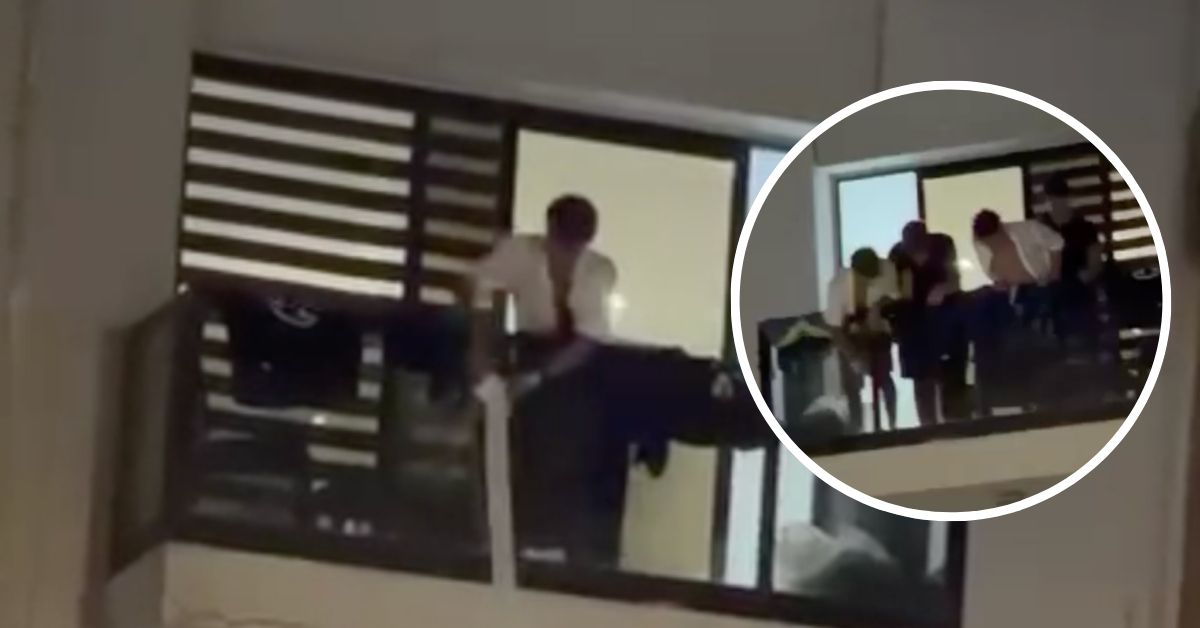
Police issue six fines after Sliema tourist misconduct video
Police issued six on-the-spot fines after a Lovin Malta follow-up on Italian tourists filmed disturbing Sliema neighbours; a Swieqi short-let block was shut days earlier.
Read more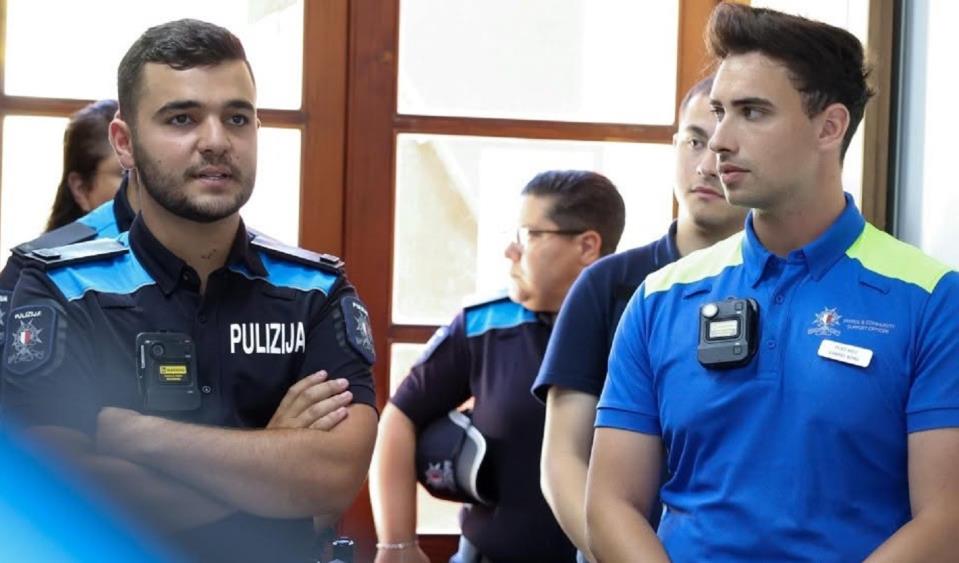
Swieqi apartment block shut, 12 fined in short-let crackdown
Malta Tourism Authority inspectors, working alongside police, found that eight of the nine apartments were operating in breach of their licence conditions.
Read more
Opposition leader Alex Borg questions government power investment
Opposition Leader Alex Borg challenged the government's electricity record after widespread power cuts hit Gozo over the weekend of 30 August 2026.
Read more