
Two diagnoses, one Malta: Abela and borg clash on day 20
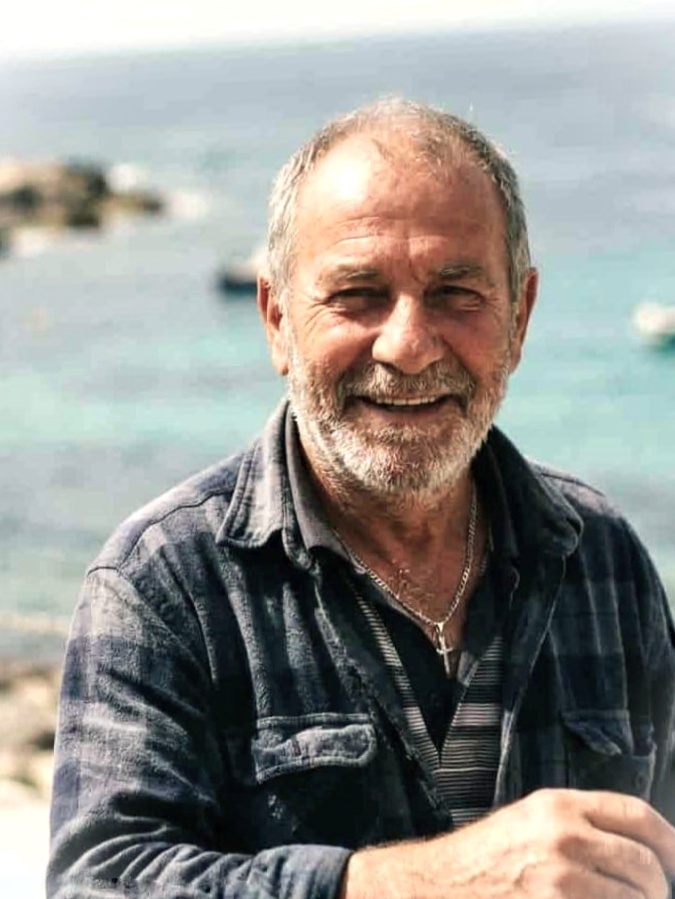
Day 20 of Malta's election campaign: Robert Abela leans on Labour's record while Alex Borg pitches a national reset, exposing two starkly different diagnoses for the country's future.
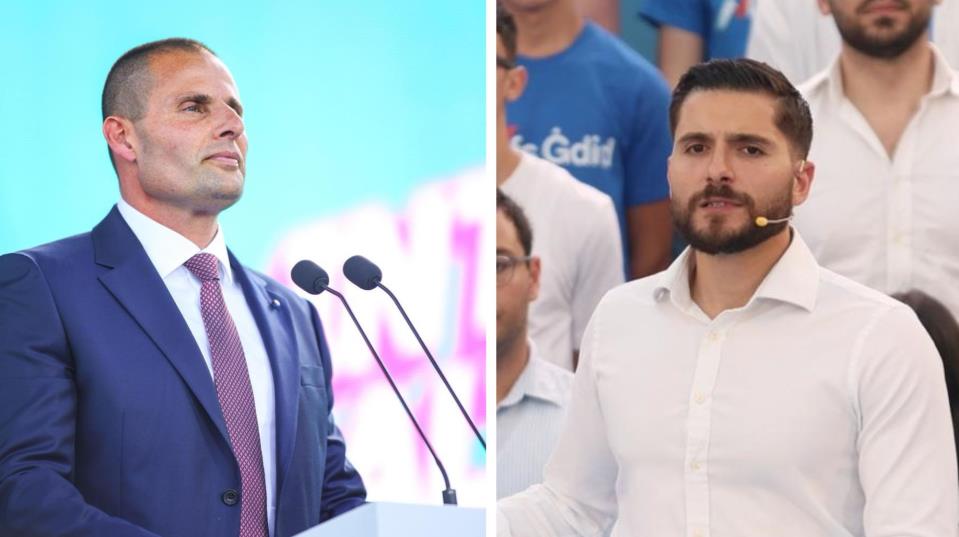
Image: The Malta Independent
Day 20 of the 2026 Malta general election campaign produced a familiar but sharpening contrast between the two main parties, with Prime Minister Robert Abela rallying Labour supporters in Mqabba while Nationalist Party leader Alex Borg held back-to-back speeches in Mosta and Żebbuġ. Abela cast Labour's manifesto as a "contract and guarantee" with the Maltese people – a document he argued was grounded in fiscal reality rather than wishful politics.
Describing himself as a "responsible father" who promises only what a family can afford, he framed the election as a thirteen-year track record put to a public verdict. The question he posed to voters was direct: who do you trust to run the economy, energy, health and transport? His answer, predictably, was the party that has been doing so.
The proposals he outlined – pension increases, youth incentives, tax reductions and housing support – were presented as sustainable precisely because of that record, though specific figures were not disclosed. Borg's case ran in the opposite direction. Where Abela pointed to growth, Borg pointed to what growth has cost ordinary people: housing that has become unaffordable, infrastructure creaking under population pressure, a cost of living that has risen faster than reassuring headline statistics suggest.
His argument was not that Malta has failed but that success has been unevenly distributed and structurally fragile. He offered voters what he called "a fresh breath" – a reset rather than a continuation. Two themes distinguished Borg's pitch from a standard opposition critique.
The first was national identity. He spoke of protecting "everything that is Maltese" and ensuring that Maltese and Gozitan citizens remain at the centre of policy, a line that positioned demographic change and immigration pressure as legitimate political concerns rather than peripheral ones. The second was education reform: Borg called for structural investment in vocational training and future industries including artificial intelligence and data science, a more sector-specific proposal than Abela's references to stipends and opportunity within a broader continuity argument.
The difficulty for voters parsing day 20 is that both parties are fishing in the same waters. Tax relief, pension rises, housing assistance and education investment appeared on both platforms, pitched at the same groups of people, with neither side yet producing detailed costings. The genuine divide is ideological: Labour is arguing that the next chapter should be written by the people who wrote the last one; the PN is arguing that the last chapter, whatever its achievements, produced a country that needs resetting before it can move forward.
This article draws on a single analytical source summarising campaign speeches rather than quoting them at length. Specific euro amounts, tax rates and pension figures announced by either party have not been confirmed.
SOURCES
Related
Related articles
Caring state vs rank-and-file on day 15
Day 15 of Malta's electoral campaign continued to expose a clear philosophical divide between Prime Minister Robert Abela and Opposition leader Alex Borg.
Read more
Borg dodges corruption questions, flags assets
PN leader Alex Borg deflected corruption questions on the campaign trail, pivoting instead to a proposal that MPs' assets declarations be published.
Read more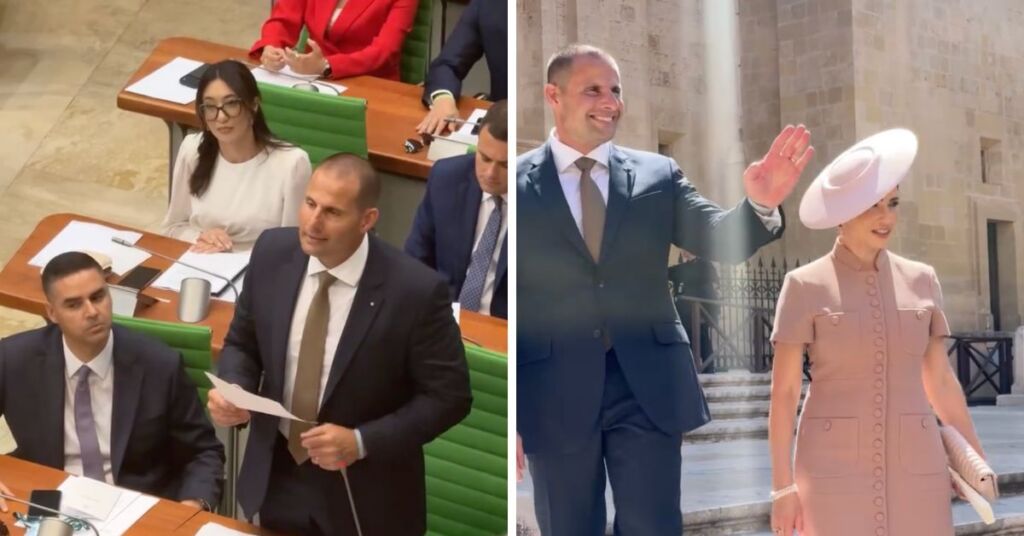
Abela sworn in as PM, borg opposition leader
Newly elected MPs from both sides of the chamber gathered for an official group photograph, marking the start of a new five-year parliamentary term.
Read more