
2026 general elections: a post mortem attempt in Malta

A post-mortem of Malta's 2026 general election: what the snap 30 May vote revealed about the parties, the campaign, and the mood of the electorate.
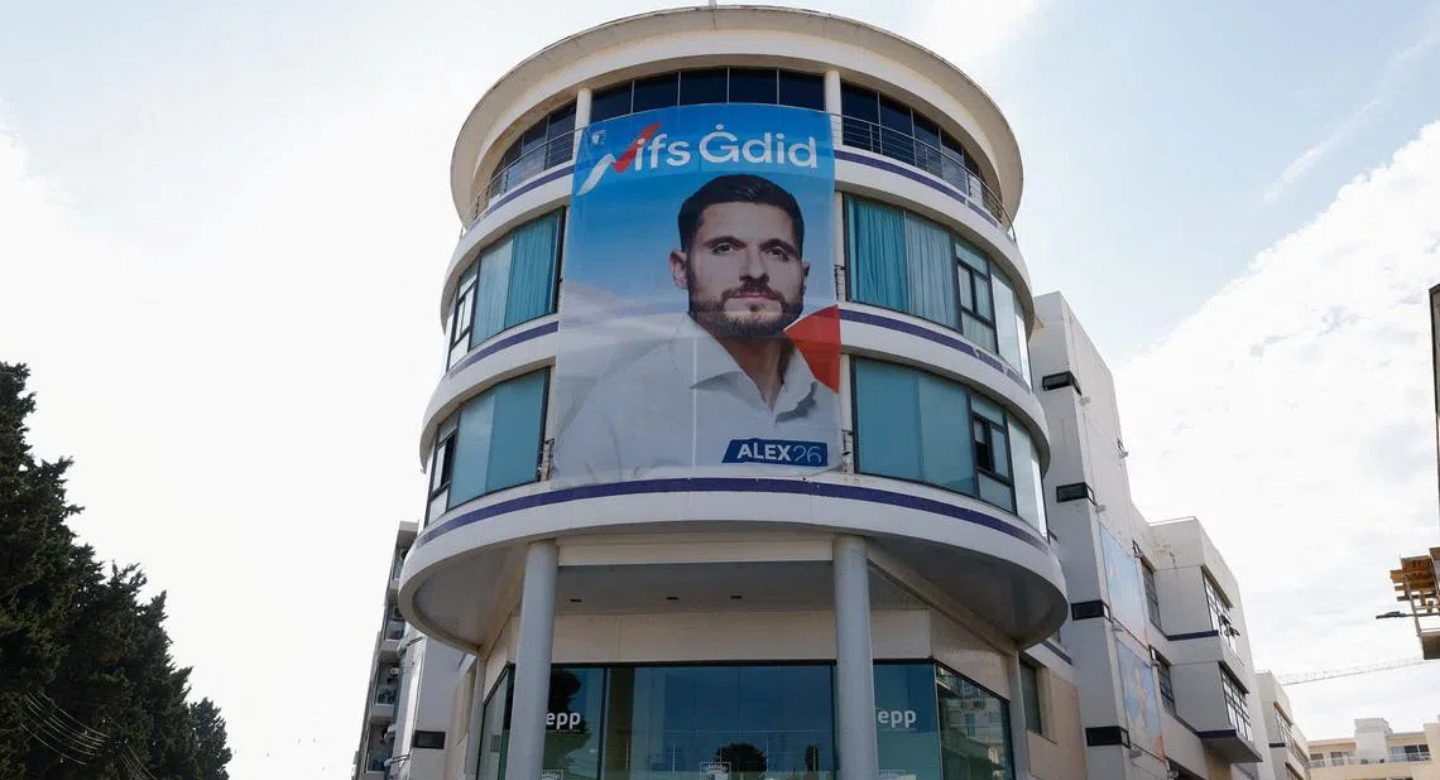
Image: The Shift News
Malta held a snap general election on 30 May 2026, called by Prime Minister Robert Abela rather than allowing the legislature to run its full five-year term. The Labour Party won a fourth consecutive term in government – an achievement the author, financial consultant Paul Bonello, describes as unprecedented in Malta's political history. Labour's margin of victory narrowed, however.
The party's popular majority was cut by roughly half compared to the previous general elections, a shift Bonello attributes partly to the Nationalist Party's change of strategy under its new leader, Alex Borg, who was appointed in September 2025. The PN ran what it called a 'positive' campaign, centring on benefits and subsidies rather than governance and corruption.
The approach marked a deliberate departure from the 2017 and 2022 campaigns, which leaned heavily on accountability themes and ended in defeat. Robert Abela publicly praised the 2026 Nationalist campaign as 'respectful', contrasting it with what he called the 'odious' tone of previous opposition campaigns. Bonello is critical of the strategic pivot.
He argues that the PN abandoned a proven opposition role: Adrian Delia's pursuit of the Vitals-Steward hospitals scandal – described as one of the largest misappropriations of public funds in Malta's history – demonstrated what a vigorous accountability stance could look like. The PN also chose not to make overdevelopment a central issue and made overtures to hunters and trappers during the campaign.
On fiscal matters, Bonello notes that Malta's national debt is approaching €12 billion, a figure he describes as more than double the level when Abela became Prime Minister in 2020. He singles out Finance Minister Clyde Caruana as arguably the most intellectually capable member of Cabinet, while treating the debt trajectory as a warning signal the next term cannot ignore.
Bonello also argues the PN missed an opportunity by failing to explore electoral cooperation with smaller parties Momentum and ADPD. Drawing on the late sociologist Jeremy Boissevain's work 'Saints and Fireworks' and Edward Banfield's concept of 'amoral familialism' – derived from Banfield's study of a post-war southern Italian community – Bonello frames Malta's voting patterns within a broader cultural analysis of clientelism and patronage.
The column was published by The Shift News, an independent media outlet that Bonello credits with carrying opposition and accountability functions in the Maltese public sphere.
SOURCES
Related
Related articles

Malta third from bottom in EU research spending
Eurostat figures show Malta allocated €73.70 per person to research and development in 2025, placing it third from bottom in the EU.
Read more
Malta metro to begin operations in early 2030s
Transport Minister outlines timeline for La Vallette metro line construction, with Sliema ferry connections forming part of integrated transport plan.
Read more
Hipp baby food in Malta confirmed safe
Local importer provides reassurance after baby food manufacturer faces suspected blackmail threats in central Europe.
Read more