
ADPD: traffic fix needs car reduction, public transit
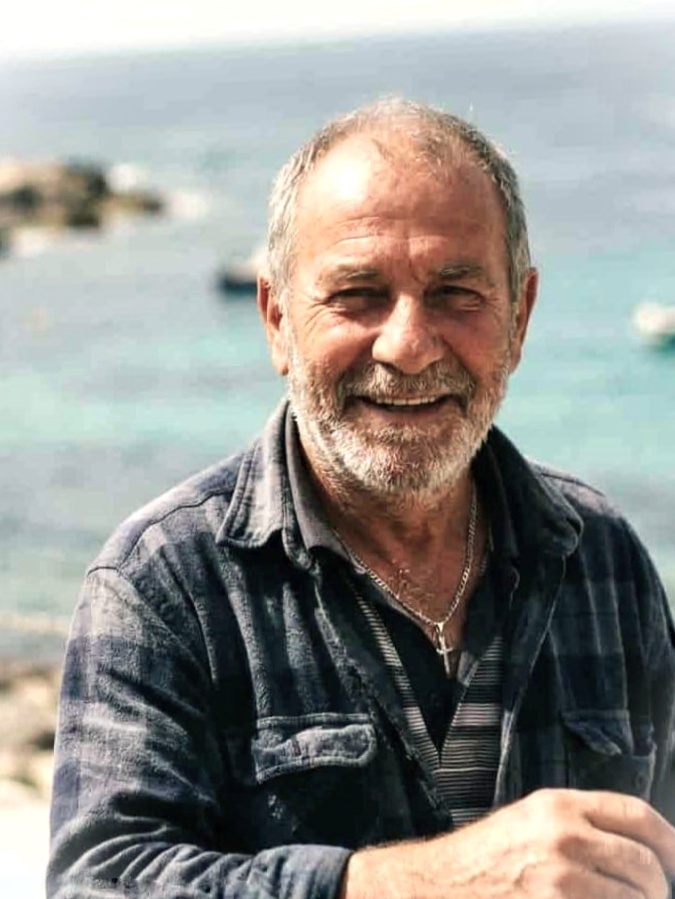
Chairperson Sandra Gauci said a genuinely affordable and efficient transport system must prioritise public transit on the road network itself.
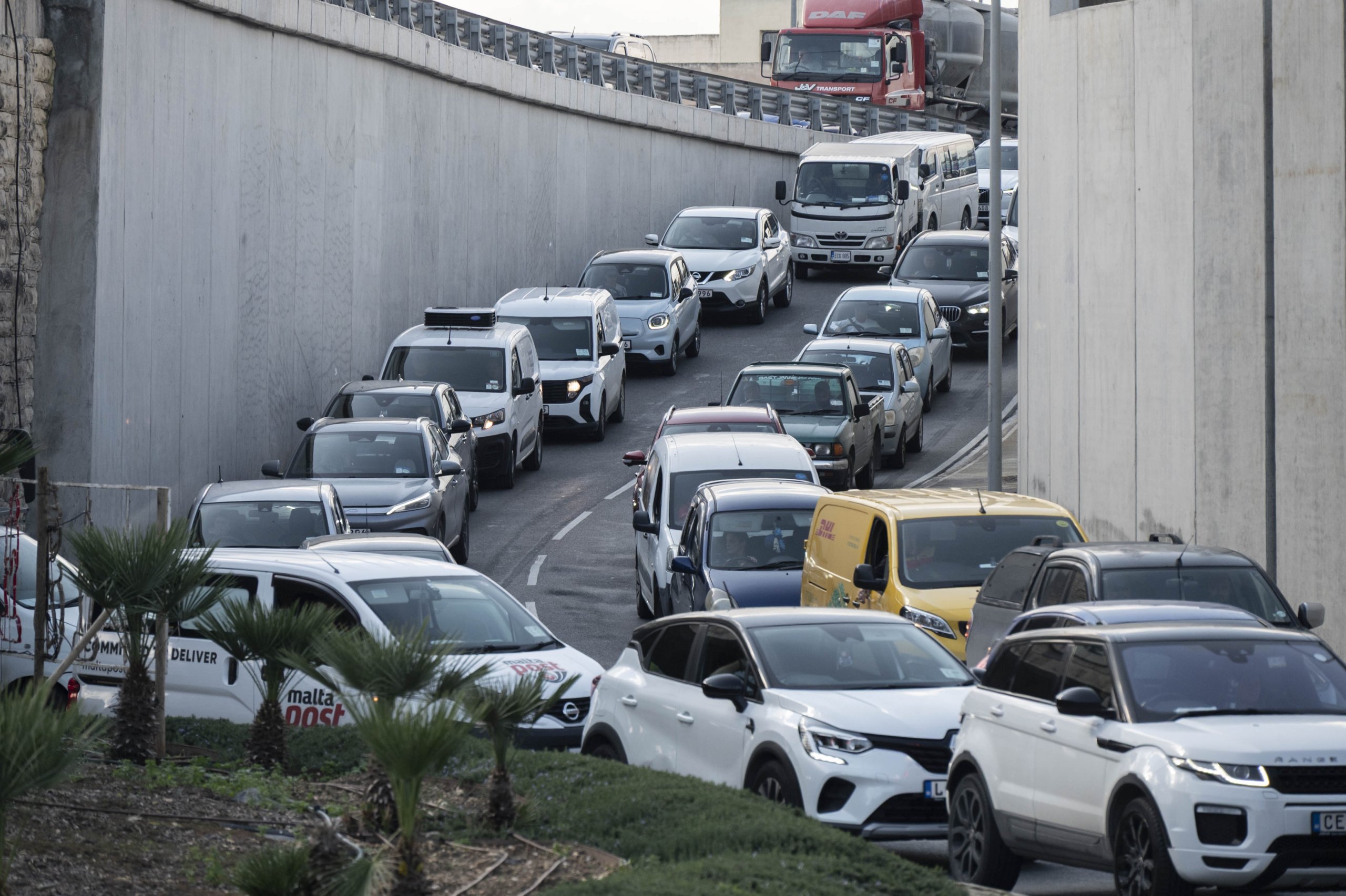
Image: Newsbook
Malta's Green Party, ADPD, issued a statement on Saturday criticising the government's approach to transport, arguing that traffic congestion cannot be resolved without reducing private car numbers. Chairperson Sandra Gauci said a genuinely affordable and efficient transport system must prioritise public transit on the road network itself. ADPD has long proposed a Bus Rapid Transit system with dedicated bus lanes, priority traffic signals, more direct routes and higher service frequency–changes it describes as achievable quickly and at a fraction of the cost of major infrastructure schemes.
The government's 'Malta in Motion' proposal is costed at €2.8 billion and would still rely on buses to serve much of the country. The party criticised ongoing road-widening projects for failing to carve out dedicated bus lanes, leaving buses trapped with private vehicles. "Until buses are stuck in lanes shared by private vehicles, we cannot expect miracles to happen and expect efficiency overnight," Gauci said.
The government has repeatedly stated it does not support disincentives for private car use. ADPD dismissed subsidised or free taxi services as a hollow solution that would deepen car dependency and worsen congestion and warned against treating AI or algorithmic traffic management as a substitute for political will. "No algorithm can help political goodwill prioritise public transport or encourage alternative means of transport that would reduce private car dependence whilst building a model of sustainable mobility for the greater good," the statement read.
The party called for safe infrastructure for cyclists, e-bike riders and scooter users alongside public transport improvements and said transport planning must account for overtourism's pressure on infrastructure. "Malta needs leadership that takes courageous decisions, not empty slogans or solutions that offer short-term relief. Change will take time and will be difficult, but it needs to be done," the statement concluded.
SOURCES
Related
Related articles
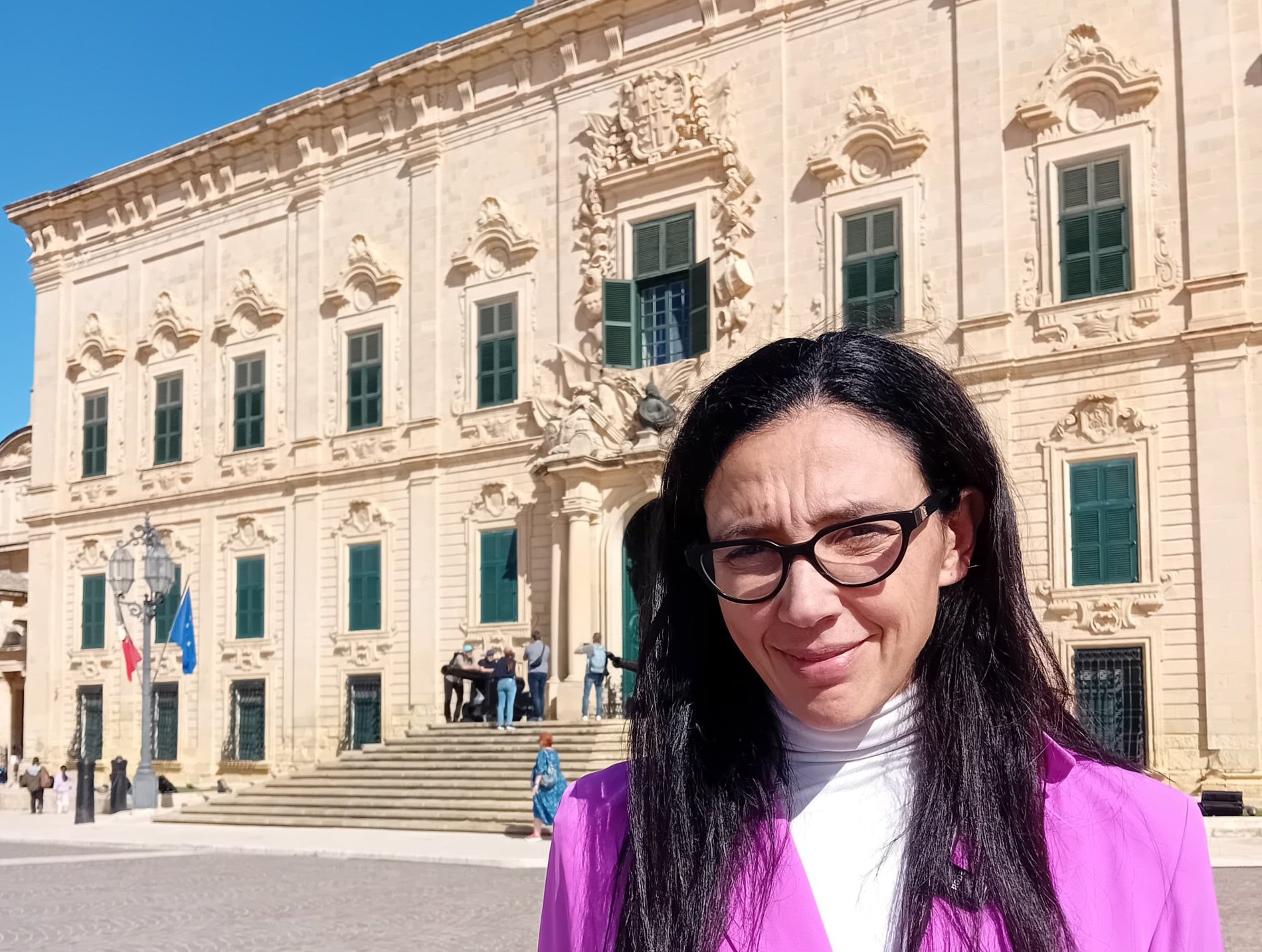
Malta's binary electoral lock keeps greens out
Sandra Gauci won more personal votes than some candidates in line for gender top-up seats, yet no constitutional mechanism can reach her. Here is why.
Read more
Malta Chamber calls for traffic reform with 10-point plan
The Chamber argued that disincentives must accompany positive incentives if private car dependency is to fall.
Read more
Two romanian nationals plead guilty to eight thefts for september
Two Romanian nationals pleaded guilty to eight thefts across four Maltese towns between 15 and 21 August.
Read more