
Malta bans imports over foot-and-mouth alert

Malta introduces strict import controls and bans to safeguard livestock and agriculture from foot-and-mouth disease outbreak risks.
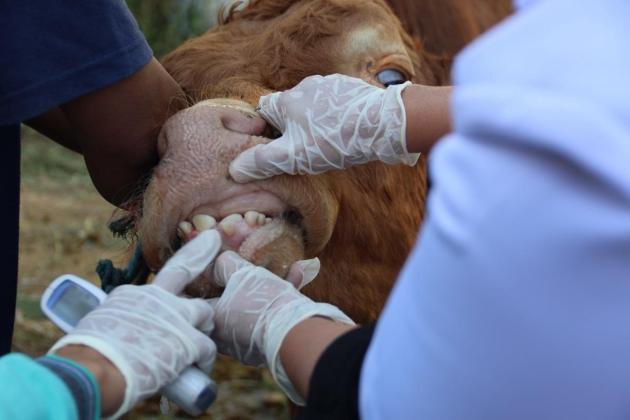
Image: Times of Malta
Malta has enacted comprehensive emergency measures to prevent the potential spread of foot-and-mouth disease, implementing immediate import restrictions and enhanced biosecurity protocols across the archipelago. The decisive action comes as authorities work to safeguard the nation's livestock population and preserve agricultural stability.
Comprehensive protection framework
The new regulations encompass a broad spectrum of preventive measures designed to create multiple layers of protection against the highly contagious viral disease. Import bans now affect specific animal products and livestock from regions where outbreaks have been reported, while enhanced screening procedures have been established at all entry points to the islands.
Local veterinary services are coordinating closely with international health organisations to monitor global disease patterns and adjust protective measures accordingly. The comprehensive approach reflects Malta's commitment to maintaining its disease-free status, which remains crucial for both domestic food production and export capabilities.
Economic and social implications
The agricultural sector, though relatively small compared to other industries, plays a vital role in Malta's food security framework and cultural heritage. Livestock farming operations across the islands depend on maintaining healthy herds and any disease outbreak could have cascading effects on local meat and dairy supplies.
Restaurant owners, food distributors and consumers may experience temporary adjustments as supply chains adapt to the new import restrictions. However, authorities emphasise that these short-term inconveniences serve the greater purpose of protecting long-term food security and preventing potentially devastating economic losses that could result from an actual outbreak.
Ongoing monitoring and public awareness
Government officials stress that the current measures represent a proactive stance rather than a response to any confirmed cases within Malta. Continuous surveillance systems remain active across all farming operations, with regular inspections and health assessments ensuring early detection capabilities.
The public is being encouraged to report any unusual symptoms in livestock or suspicious animal health issues to veterinary authorities immediately. Educational campaigns are highlighting the importance of biosecurity measures, particularly for individuals involved in animal husbandry or those travelling from affected regions.
These emergency protocols will remain under regular review, with adjustments made based on evolving international disease patterns and expert recommendations from veterinary specialists.
SOURCES
Related
Related articles
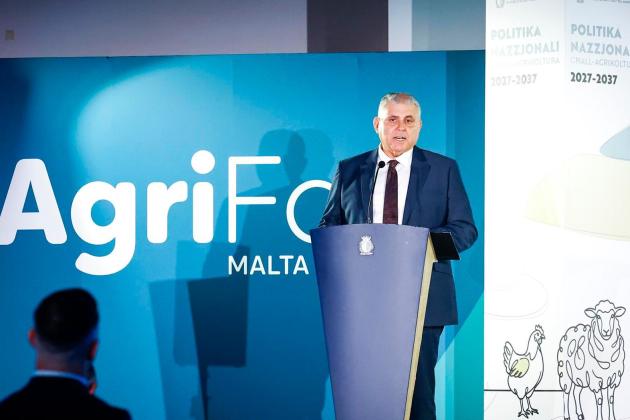
Malta opens consultation on agriculture policy
Government launches comprehensive consultation process to gather public input on the future direction of Malta's agricultural sector.
Read more
Malta third from bottom in EU research spending
Eurostat figures show Malta allocated €73.70 per person to research and development in 2025, placing it third from bottom in the EU.
Read more
Fearne meets Palestinian PM to deepen Malta-Palestine ties
The two sides agreed to deepen Malta-Palestine ties through medical sector capacity-building and cultural exchange initiatives.
Read more