
Malta joins EU bloc to defend cohesion funds
Before the formal Council session opened, Abela flagged migration, competitiveness and the war in Ukraine as the main topics on the agenda.
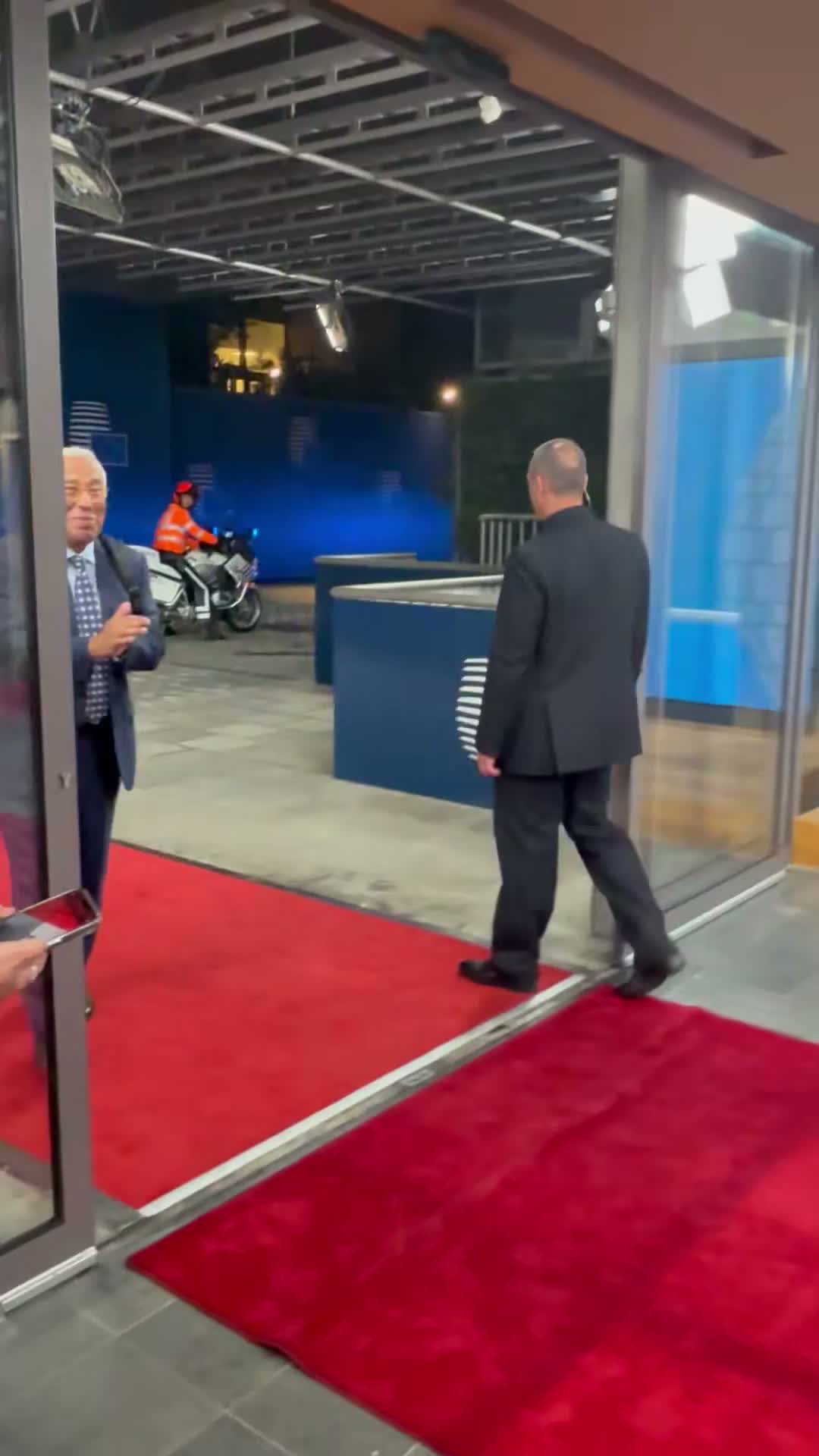
Image: The Maltese Herald
Prime Minister Robert Abela travelled to Brussels for the European Council summit on 18–19 June 2026, a meeting that covered Ukraine, China, trade, migration, the Middle East and the shape of the EU's next long-term budget. Malta's most concrete outcome came on the sidelines: a meeting of the Friends of Cohesion, a structured coalition of 17 EU member states that Italy and Romania brought together, with Italian Prime Minister Giorgia Meloni in the chair.
The group's goal is to defend the cohesion funds, the Common Agricultural Policy and the Common Fisheries Policy from reductions in the next EU multi-year budget, which runs from 2028 to 2034. Cohesion funds are designed to narrow the gap between wealthier and less developed regions, while agricultural and fisheries support remains economically and socially significant for Malta.
By joining the group, Malta positions itself to argue directly in the budget negotiations for specific funding lines that matter to smaller, peripheral economies. Before the formal Council session opened, Abela flagged migration, competitiveness and the war in Ukraine as the main topics on the agenda. He said a number of leaders would hold discussions with the European Commission on irregular migration ahead of the formal meeting and that Malta would share its own experience during those talks.
Current migratory pressures, he said, require stronger control measures and a reduced burden on individual member states, with intensive discussions expected to continue at future European Council meetings later in 2026. The summit's most contentious moment centred on European Council President António Costa. Costa's chief of cabinet placed multiple calls to a senior Kremlin official understood to have a close relationship with Vladimir Putin, establishing an exploratory diplomatic channel without prior notice to several EU capitals.
Euronews first reported the contacts. Costa defended the initiative at the summit, saying the calls were brief, involved no negotiations and carried no substantive exchange and argued the EU needs to be positioned to defend its interests if peace talks over Ukraine get under way. Poland, the Baltic states and the Nordic countries pushed back sharply.
Austria and Slovenia were more receptive, welcoming a communication line with Moscow. The European Council's formal position remains that no settlement on Ukraine can proceed without Ukraine's own participation. EU leaders reaffirmed support for Ukraine's sovereignty and territorial integrity, called for stronger security guarantees and faster delivery of air-defence systems, ammunition, drones and missiles and pressed for swift adoption of the EU's 21st sanctions package against Russia.
Zelensky addressed leaders at the summit, with Abela noting the presentation before the formal session began. On trade with China, member states arrived divided. France and others have pushed for a tougher stance, while Germany and Spain favour caution given their trade and investment exposure to Beijing.
The EU's goods trade deficit with China runs at roughly €1 billion per day. Commission President Ursula von der Leyen secured political backing from EU leaders to pursue faster anti-dumping and anti-subsidy investigations, tighten import safeguards and introduce new rules designed to cut dependence on single foreign suppliers across critical sectors including rare earths, clean technology, chemicals and metals.
For Malta and the other members of the Friends of Cohesion group, the harder work of defending specific funding lines against competing fiscal and geopolitical pressures lies ahead as the 2028–2034 budget round takes shape.
SOURCES
Related
Related articles
Malta's 15th parliament to open saturday in record time
The 14th legislature, by comparison, opened on 7 May 2022, six weeks after polls closed on 26 March that year.
Read more
Government directs €50,000 to trust foundation
Prime Minister Robert Abela has handed over a €50,000 donation to The Malta Trust Foundation, drawn from the government's Social Causes Fund.
Read more
Two diagnoses, one Malta: Abela and borg clash on day 20
Day 20 of Malta's election campaign: Robert Abela leans on Labour's record while Alex Borg pitches a national reset, exposing two starkly different diagnoses for the country's future.
Read more