
Abela's 20-minister cabinet biggest in history
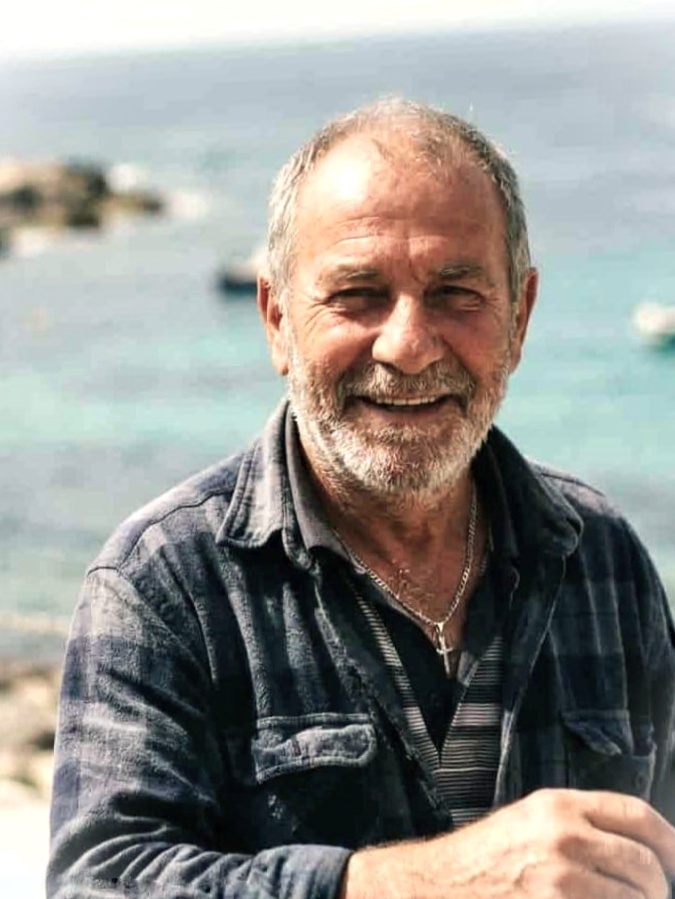
Robert Abela has formed a 20-minister Cabinet after the 2026 election, with more than half of Labour's parliamentary group now holding ministerial office.
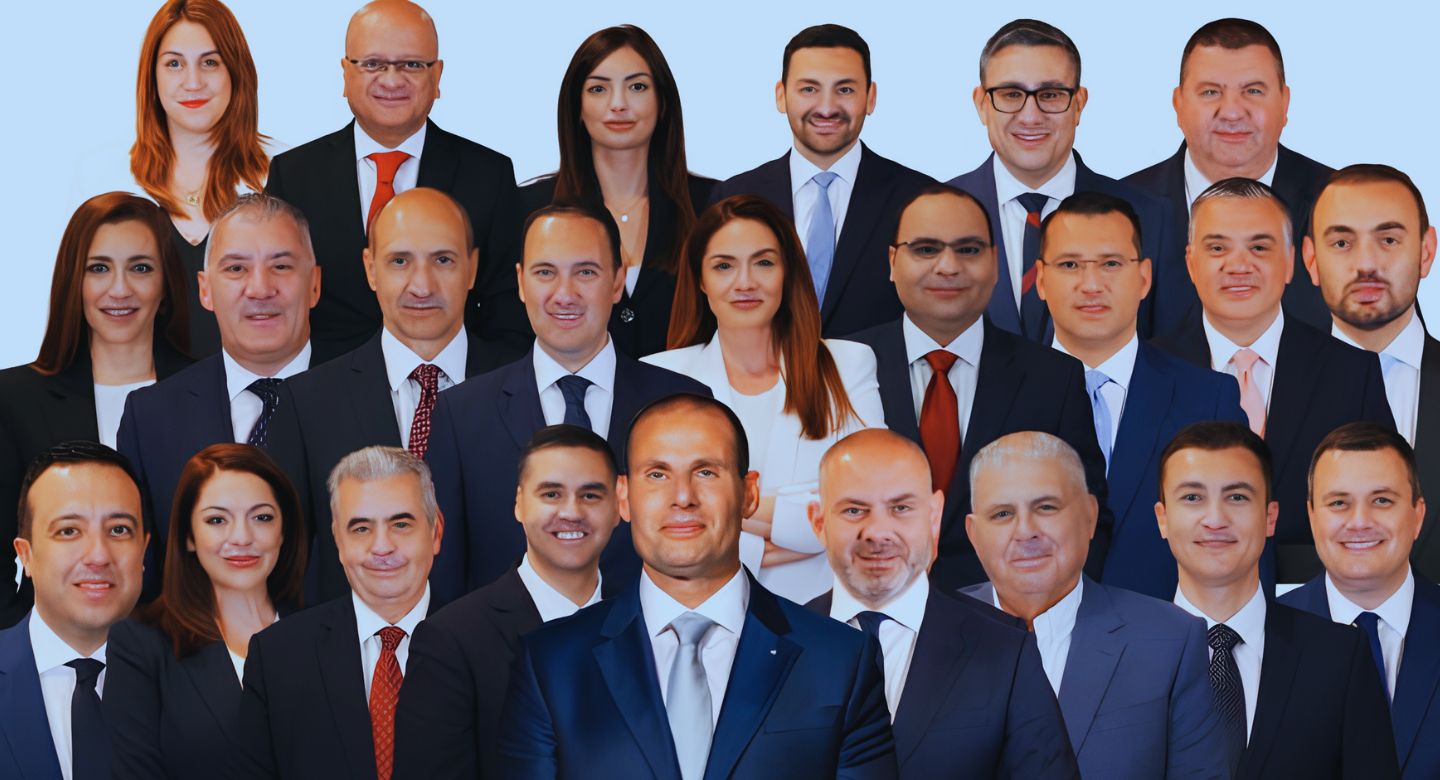
Image: The Shift News
Robert Abela has assembled a 20-minister Cabinet following the 2026 general election – the largest in Malta's modern history – and brought more than half of his parliamentary group into ministerial office. With fewer than 40 Labour MPs in a 79-seat parliament, more than half now hold ministerial posts. Anonymous sources inside the Office of the Prime Minister told The Shift News that Abela bowed to internal pressure and appointed as many ministers as possible, partly to neutralise opposition from a small number of sitting ministers.
On their account, Cabinet size served as an instrument of internal party management – a way of buying loyalty by distributing office. The Shift News has estimated the annual cost of that political tier using the OPM's own staffing manual. Under its terms, each minister is entitled to a secretariat of up to 19 staff, the majority of them persons of trust rather than career civil servants.
On official salary scales, running one ministerial secretariat costs around €800,000 per year before additional consultants or supplementary staff are factored in. 2 million. That is the outlet's own estimate, not a published government figure and it covers only the political layer.
Departmental operations, civil servants and wider government spending fall outside it. The article also asserts that some ministers bring in additional staff through government-linked entities, a claim made without documentary evidence cited in support. The structural fragmentation underpinning those costs has been accumulating since Labour came to power in 2013.
Portfolios that once sat under broader ministries have been progressively broken into smaller units, each carrying its own political leadership and dedicated administrative machinery. The 20-minister count is the furthest point on that longer curve rather than an abrupt departure from it. The Shift News places Malta at the upper end of EU member states for ministerial numbers relative to both population and parliamentary size.
Germany, France and the Netherlands each govern substantially larger countries with fewer ministries. No official government statement responding to the cost estimate is included in The Shift News's reporting. What the record does show is that a government with a comfortable majority has chosen to distribute ministerial office more widely than any predecessor in the modern era.
SOURCES
Related
Related articles
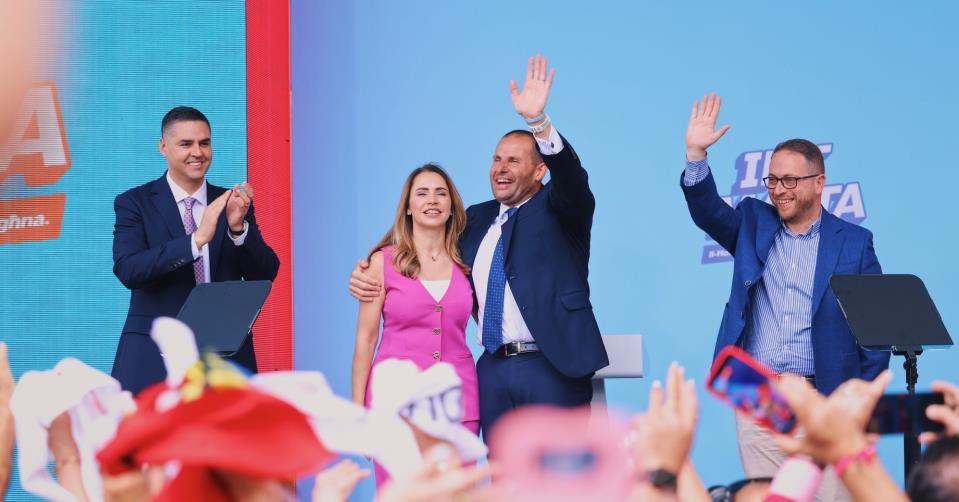
Abela calls early election as opposition wanes
Robert Abela's decision to go to the polls early is widely attributed to the Nationalist Party's transitional weakness – but Labour's own narrowing margins add
Read more
Malta's 15th parliament to open saturday in record time
The 14th legislature, by comparison, opened on 7 May 2022, six weeks after polls closed on 26 March that year.
Read more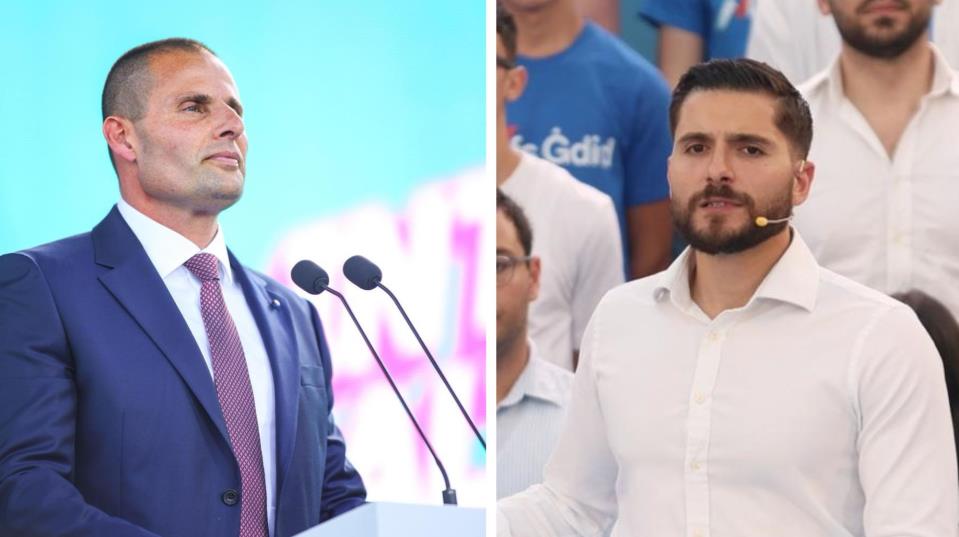
Two diagnoses, one Malta: Abela and borg clash on day 20
Day 20 of Malta's election campaign: Robert Abela leans on Labour's record while Alex Borg pitches a national reset, exposing two starkly different diagnoses for the country's future.
Read more