
Malta's binary electoral lock keeps greens out

Sandra Gauci won more personal votes than some candidates in line for gender top-up seats, yet no constitutional mechanism can reach her. Here is why.

Image: Newsbook
Sandra Gauci secured 950 votes after transfers in the 12th district at the 30 May general election, equalling 26% of the quota. Her personal tally exceeded that of several Labour and Nationalist female candidates who are now in line for gender top-up seats. She will receive no seat.
More than 3,400 people have signed a petition demanding that Parliament and the Electoral Commission change that. After the petition surged, Gauci confirmed she would remain as ADPD chairperson. The wave of public support had left her "speechless," she said and convinced her to keep fighting.
Malta's electoral system includes two corrective mechanisms. The first, introduced in 2007, adjusts seat allocations when a party's share of seats diverges from its share of the vote. The second, introduced in 2021, adds seats for candidates of the under-represented sex when a party returns too few women or men to the House.
Both activate only when exactly two parties hold seats in Parliament. Neither was drafted with a third party in mind and neither applies to Gauci under the current framework. The two provisions interlock in a way that complicates any reform aimed at Gauci specifically.
Were she awarded a seat, her presence as a third-party MP would disable both the proportionality mechanism and the gender corrective entirely under the existing constitutional framework. No legislation has ever been proposed to allow a third party to participate in the gender mechanism while keeping the proportionality mechanism active for Labour and the Nationalist Party.
Critics have characterised the 2007 reform as "partisan expediency over the national interest" and "crass discrimination," and the 2021 amendment did nothing to disturb that logic. ADPD mounted a constitutional challenge after the 2022 election, arguing that both mechanisms unfairly entrenched parties already holding seats at the expense of smaller rivals. The Civil Court rejected the challenge.
The Constitutional Court also rejected it, ruling earlier this year that it lacked the power to adjudicate an alleged conflict between different provisions of the Constitution itself – without addressing the substantive merits of ADPD's argument on electoral fairness. Gauci said the party was considering an appeal to the European Court of Human Rights; no filing has been confirmed.
The reform debate predates the recent litigation by decades. The Gonzi Commission recommended a national electoral threshold of approximately 5% as far back as 1995, comparable to the thresholds used in Germany and the Netherlands and a position ADPD now explicitly advocates. Neither major party has acted on it in the years since.
Prime Minister Robert Abela has himself conceded that clientelism will persist for as long as Malta retains its present electoral system. Gauci had spoken of stepping away from politics after the election. The public response changed her calculation.
The petition calls on Parliament and the Electoral Commission to overhaul the electoral framework so that a voter's ballot carries the same weight no matter which party they choose. Without a statutory amendment rewriting the two-party precondition in both mechanisms, the petition carries no legal force of its own.
SOURCES
Related
Related articles
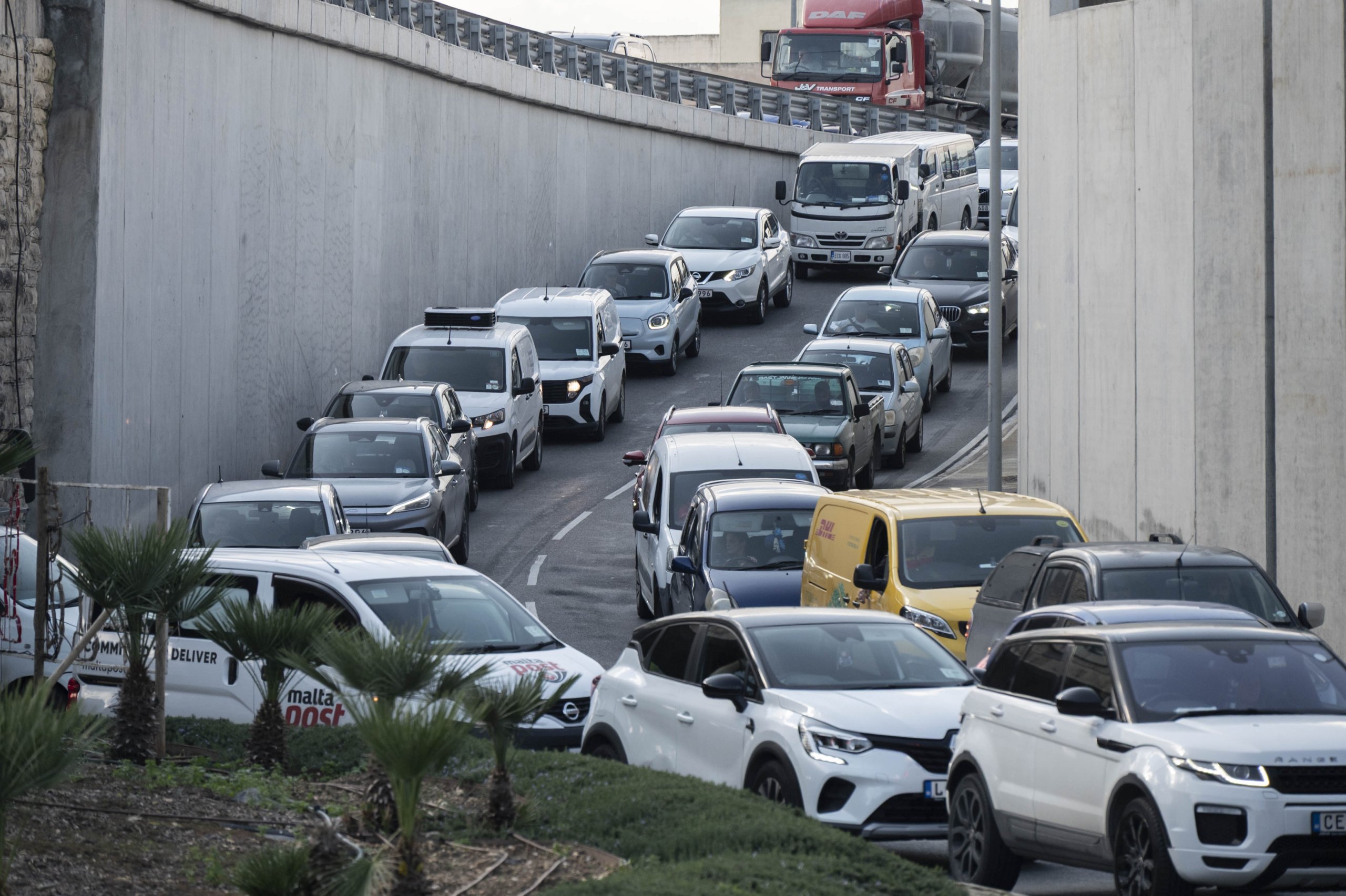
ADPD: traffic fix needs car reduction, public transit
Chairperson Sandra Gauci said a genuinely affordable and efficient transport system must prioritise public transit on the road network itself.
Read more
State to pay €272,000 in Sliema rent-law case
Malta's constitutional court has ordered the State to pay €272,000 to a Sliema family, ruling the island's rent-protection laws breached their property rights.
Read more
Borg: PM out of touch with Malta's financial reality
Borg pointed to three groups whose concerns he said bore no relation to boat ownership.
Read more