
Sliema tops Malta for third-party planning appeals, study finds
Updated
 By Paul Camilleri
Sliema had 70 third-party planning appeals from 2020 to 2025, more than twice any other locality, according to a Pedament analysis of the tribunal's register.
Updates
- : Parliament is debating the bill at second reading; the Opposition said it will propose amendments at committee stage.
- : Parliament is to debate the planning appeals reform over three sittings next week.
- : The Prime Minister said the appeals reform bill goes to Cabinet on 13 October, then to its second reading.
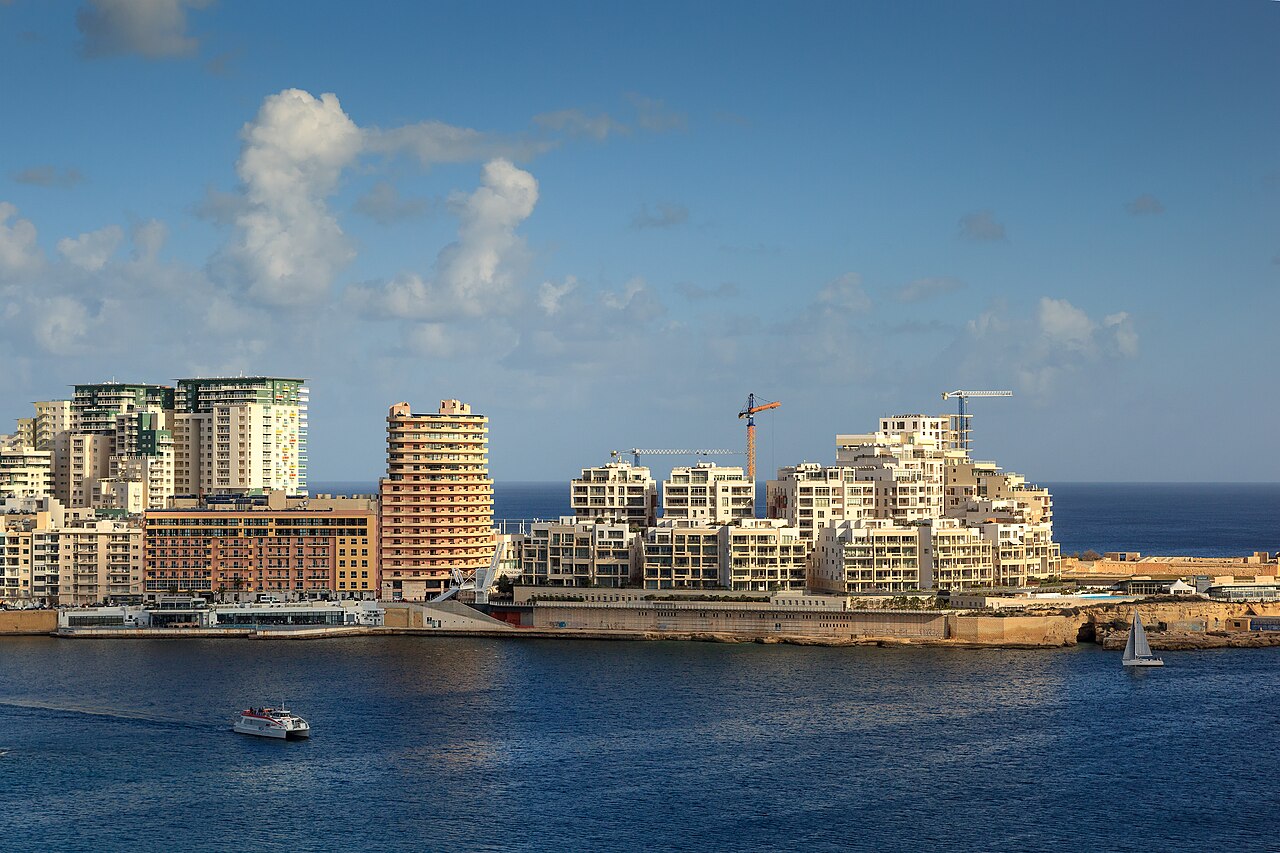
Objectors in Sliema lodged more appeals against planning permits between 2020 and 2025 than anywhere else in Malta, according to an analysis of the Environment and Planning Review Tribunal's register published by the property portal Pedament this month.
Sliema had 70 third-party appeals over the six years, more than twice the 32 recorded in each of St Julian's and St Paul's Bay, which shared second place. The 70 appeals concern 61 planning applications. Measured against the number of permits granted, Sliema had 71 third-party appeals for every 1,000 permits, the highest rate in the analysis, ahead of Lija (60), Għargħur (59) and Iklin (59).
The appeals are concentrated on the seafront. Splitting Malta into squares of about 700 metres, the analysis found that the busiest square for third-party appeals, on the Sliema front, held 41 of them. Pedament notes that appeals in the same square do not necessarily concern the same site.
Across Malta, the analysis covered all 9,343 planning appeals on the tribunal's register since 2000, matching 98% of them to the Planning Authority case they concern. It found that 138 third-party appeals were lodged in 2025, a record, though fewer than two in every 100 permits granted that year drew one. The tribunal has also become faster: the median appeal decided in 2025 took 7.8 months from its first hearing, down from 18.2 months in 2020.
Objectors have also been winning more often. In 2025, third-party appeals were upheld in full or in part in 44% of rulings, compared with 13% in 2014, though most of those wins were partial. Pedament points out that even an upheld appeal can lead to revised plans rather than a project being cancelled.
The figures come after a government bill, which had its first reading in Parliament on 27 July, proposed that an appeal against a permit should suspend it until the case is decided, and that the tribunal should decide within six months. Pedament notes that both main parties promised before the May election to stop works while an appeal is heard. Under current law, an appeal does not automatically suspend a permit, although the tribunal can do so on request.
Prime Minister Robert Abela said in an interview with PBS, reported by Lovin Malta on Sunday 11 October, that the Appeals Reform Bill would go to Cabinet on Tuesday and then to its second reading in Parliament.
Government Whip Naomi Cachia told a meeting of Parliament's Business of the House Committee that the reform of the planning appeals law will be debated over three sittings next week, TVM News reported on 13 October.
The bill's second reading was under way in Parliament by Tuesday 20 October, TVM News reported. Planning Minister Jonathan Attard said the reform rests on three pillars: the automatic suspension of a permit when it is appealed, faster timeframes and procedures, and digital tools for the tribunal. Opposition planning spokesperson Rebekah Borg called the bill "a small step" forward and said the Opposition would propose amendments at committee stage, including publishing in full, with reasons, any Cabinet decision on suspensions and requiring sellers of off-plan property to disclose when a permit is under appeal.
Pedament says its figures come from the public tribunal and Planning Authority registers, analysed on 2 October.
SOURCES
Related
Related articles
Planning authority approves Il-Fortizza microbrewery
The Planning Authority has approved restoration works at il-Fortizza on Tower Road, Sliema, where German Kraft will install a microbrewery in the ditch.
Read more
Sliema Strand: Planning Authority removes restaurant paving
Planning Authority workers removed paving laid on public land outside a restaurant on the Strand in Sliema on 20 October, after weeks of enforcement action.
Read more
Britannia Flats in Sliema to add six storeys
The proposal would create 10 new apartments spread across five additional storeys and a penthouse level above the existing building.
Read more